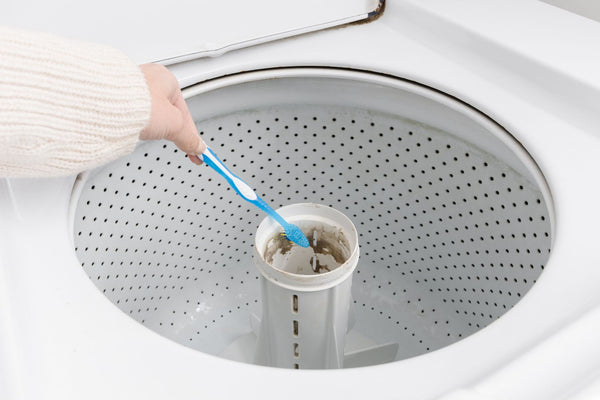
Ever wondered do all washing machines have a filter? It’s a question that pops up when you’re staring down at your trusty washing machine wondering why your clothes still look a bit gritty. Well, here’s the scoop: not all washing machines come with filters, but a big chunk of them do—especially the modern front-loaders and many top-loaders. Filters are the unsung heroes that trap lint, hair, coins, and other bits before they wreck havoc inside your machine.
Imagine Ryan, who owns a top-tier front-loader model and swears by his weekly filter cleaning ritual. It stops clogs, foul smells, and even machine breakdowns. Without a filter, your machine can get gummed up with all the fluff from your laundry, leading to costly repairs down the line. But how do you spot this filter? Is it worth the hassle?
What Is a Washing Machine Filter?
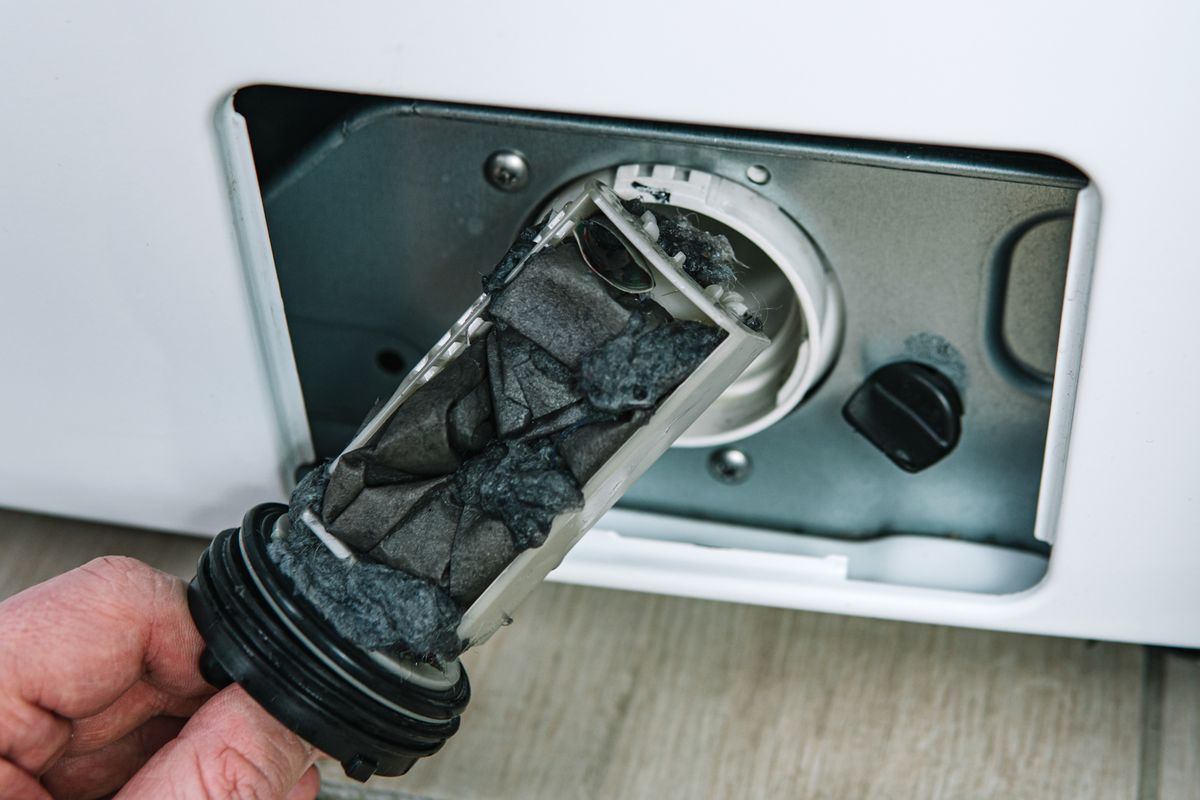
A washing machine filter is a small but mighty component installed to catch debris during wash cycles. Think of it as a sieve designed to protect your appliance’s pump and tubing by catching bits of lint, small objects like coins, hair, and other little intruders that sneak into your laundry water.
Types of Washing Machine Filters
- Pump Filters: Usually found near the bottom front of front-loading machines, these catch debris before draining water.
- Lint Collectors: More common in top-load machines, these traps catch fibers released from clothes.
- Self-cleaning Systems: Some high-end models ditch traditional filters for self-cleansing technology, but be wary—they can still clog interiors if you’re careless.
How To Know If Your Washing Machine Has A Filter
Does your manual mention a pump filter? Is there a tiny hatch or panel typically located on the machine’s lower front? That’s your giveaway spot. Not all machines come with an accessible filter—but most front loaders do. In fact, cleaning these filters regularly can prevent problems like water not draining or weird noises.
One quick hack? Run a cycle and listen for strange sounds. Strange gurgles or a slow drain time usually means your filter needs checking.
Why Are Washing Machine Filters Essential?
Filters act like bouncers for your washing machine, keeping unwanted stuff out of delicate parts. Without them, you risk borderline disasters: clogged drainage, mechanical failure, and funky odors. Plus, cluttered filters can cause your clothes to come out dirtier than they went in—a laundry nightmare.
How To Clean Your Washing Machine Filter Properly
- Unplug your appliance to stay safe.
- Open the filter access panel (often a small door near the machine’s base).
- Prepare a shallow container to catch water spills.
- Slowly unscrew and remove the filter.
- Rinse it under running water, removing trapped debris.
- Check the filter housing for leftover grime and wipe clean.
- Reinstall the filter securely and close the access panel.
- Run a rinse cycle to confirm everything is shipshape.
Common Problems From Neglecting Your Washing Machine Filter
- Clogged drain pump causing water backup.
- Reduced washing performance and lingering odors.
- Wear and tear on mechanical parts leading to expensive repairs.
- Unnecessary energy consumption due to inefficient cycles.
Machines Without Filters: What Then?
Some compact or older top-loading washers skip filters entirely to cut manufacturing costs. Without a filter, you’re gambling with eventual clogging in hidden drains or pumps. That’s why if your washer doesn’t have a visible filter, scheduling regular professional maintenance to check inner parts is a must.
Remember, skipping filter cleaning leads to issues that no amount of detergent can fix. Got questions about your specific machine’s design? The manufacturer’s manual or online forums can be lifesavers.
Speaking of online resources, if you want an expert walk-through on locating and cleaning a filter, this detailed guide on washing machine filters will save you hours of confusion.
Safety Tips When Handling Washing Machine Filters
- Always unplug your machine before starting maintenance.
- Wear gloves if your filter has built-up grime or smell.
- Use towels or shallow pans to avoid water spillage damaging floors.
- Never force a filter open—check for screws or locks first.
Can You Replace A Broken Washing Machine Filter?
Filters wear out just like any other part. Replacement is usually simple and inexpensive, often sourced by model number. Just don’t swap with generic parts; wrong fit can cause leaks or damage. If you’re unsure, let pros handle it.
For help identifying your model’s filter type or replacement part, check this insightful discussion on washing machine filter locations and needs.
Tips To Maximize Your Washing Machine’s Lifespan
- Keep filters clean and regularly maintained.
- Use appropriate detergents and avoid overloads.
- Inspect hoses and inlet filters yearly.
- Run maintenance cycles with washing machine cleaner monthly.
Final Thoughts on: Do All Washing Machines Have A Filter
To circle back, not all washing machines have a filter, but the majority of modern front-loading and many top-loading models do. These filters are crucial for trapping debris, protecting internal components, and keeping your laundry fresh. Skipping filter maintenance is setting yourself up for machine headaches you’ll regret later.
So, if you’re wondering do all washing machines have a filter—remember that it depends on your model, but that filter, when present, deserves respect and attention. Clean it often, monitor your machine’s behavior, and when doubt strikes, rely on trusted sources like this cleaning guide for washing machine filters to keep your appliance in tip-top shape! 🚀
Source: fallonsolutions.com.au

Source: www.youtube.com
Frequently Asked Questions
Do all washing machines have a lint filter?
No, not all do. Most front-loaders have a pump filter that catches lint, but some top-loaders may lack a dedicated lint filter.
How often should I clean my washing machine filter?
For best performance, clean the filter monthly, especially if you wash frequently or with lint-heavy fabrics.
What happens if I don’t clean my washing machine filter?
Neglecting filter cleaning can cause clogs, unpleasant odors, poor drainage, and even mechanical issues.
Can I clean the washing machine filter myself?
Yes, most filters are user-accessible and can be cleaned safely at home by unplugging the machine and following simple steps.
Where is the filter located in a washing machine?
Filters are usually behind a small panel or hatch near the bottom front of front-loading washers. Top-loaders might have lint filters within the agitator or tub rim.
Do high-end washing machines have filters?
Many do, but some use self-cleaning systems instead. However, these systems still require occasional professional maintenance.

Lonnie Clarke believes that taking care of your washing machine starts with what you put into it. As a former textile quality controller, she understands exactly how different fabrics, water temperatures, and detergents interact with your appliance’s drum. She writes our comprehensive guides on preventing mold, choosing the right cycles, and extending the life of your clothes.