
Ever wondered do all wash machines have a filter? It sounds like a simple question, but the answer is shaded by the type of washing machine in your laundry room. Whether front-loading or top-loading, filters play a crucial role in protecting your appliance and improving its performance. Let’s jump into why and where these filters are, so you aren’t caught off guard when your machine starts acting funny or smelling funky.
Filters are tiny heroes catching lint, debris, coins, or anything else that sneaks in with your wash. Without them, dirt could clog the pump drain or even lead to bad odors. Yet, not every model sports a clear, easy-to-find filter.
Why Do Washing Machines Need Filters?
Filters prevent the accumulation of lint, hard particles, and foreign objects inside your washing machine’s drainage system. They help keep the pump clear, extending the washer’s lifespan and avoiding pesky breakdowns. Imagine running a marathon with gravel in your shoes—that’s what a washing machine feels when clogged.
Types of Filters In Wash Machines
- • Pump Filters or Drain Filters: Found mostly in front loaders, these catch solid objects before they reach the pump.
• Lint Traps: More common in top loaders, they capture fibers during the wash cycle.
• Water Inlet Filters: These prevent sediment and debris from entering the machine through the supply hoses.
Do All Wash Machines Have A Filter? Let’s Break It Down
Not all washing machines come with the traditional, accessible pump filters. Front-load machines nearly always do, placed behind a panel at the bottom. Conversely, many top-load washers skip this, relying on water inlet filters and internal lint traps.
So, what does that mean? If you own a front-load washer, you most likely have a filter you can clean periodically. Top-loaders often have fewer or hidden filters, meaning maintenance can focus on inlet screens or internal system checks rather than filter cleaning.
How To Find Your Washing Machine’s Filter
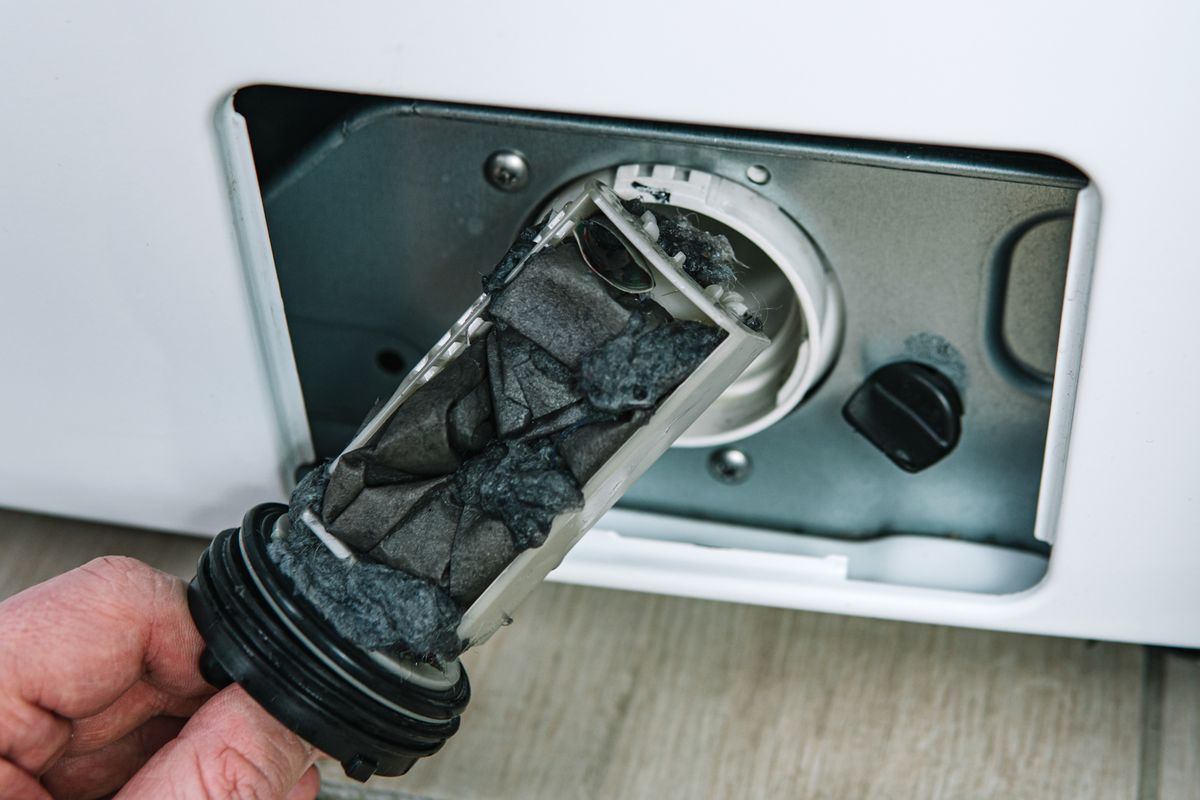
Look low and slow. For front-loaders, check the machine’s lower front panel—a small door or cap conceals the filter. This pump filter can sometimes be unscrewed for easy removal. A handy demonstration on cleaning a washing machine’s filter is available in this video guide on removing and cleaning pump filters.
Top loaders vary; some have removable lint filters inside the agitator or as part of the detergent compartment. If you’re scratching your head, the user manual or manufacturer’s site is your friend.
Cleaning and Maintaining Your Washing Machine Filter
Cleaning your washing machine filter is not glamorous but crucial. You’ll want to schedule this every month or two to stop smells and machine clogs.
- Turn off and unplug your washing machine to avoid shocks.
- Open the filter access door or panel carefully.
- Place a shallow pan or towels underneath to catch drips.
- Unscrew or pull out the filter gently.
- Clear it from lint, coins, and debris.
- Rinse the filter under running water.
- Inspect the filter area for any residue or build-up.
- Reinstall the filter and close the panel.
- Run a cleaning cycle or a rinse to flush the machine.
Signs Your Washing Machine Filter Needs Attention
Watch for these red flags:
- • Water draining slowly or pooling.
• Strange noises during the rinse or spin cycles.
• Sweaty odors coming from inside the drum.
• Frequent errors or stops mid-cycle.
• Visible debris around the filter area.
Common Mistakes When Handling Washing Machine Filters 💡
- Ignoring manufacturer guidelines and location of the filter.
- Using harsh chemicals or tools that damage the filter.
- Forgetting to unplug the machine before cleaning.
- Skipping filter cleaning and ignoring the signs of buildup.
- Not checking inlet water filters alongside pump filters.
Can You Operate a Washing Machine Without a Filter?
You might think filters are optional, but they’re often essential to prevent blockages and protect the pump. Operating without a filter (either due to damage or removal) risks breakdowns or costly repairs. For models designed without accessible filters, the system compensates differently, but in machines where a filter exists, it’s smart to maintain it well.
When To Get Professional Help for Your Washing Machine
If you spot broken filters, persistent drainage issues, or the machine refuses to drain after cleaning attempts, calling an appliance repair expert is the best play.
For insight on selecting washing machines that balance maintenance ease and performance, check out this detailed washing machine buying guide.
Comparing Front-Load vs Top-Load Filters 🆚
| Feature | Front-Load Washers | Top-Load Washers |
|---|---|---|
| Common Filter Type | Pump filter accessible low front | Lint trap or inlet screens |
| Maintenance Required | Frequent filter cleaning every 1-3 months | Less frequent, mostly inlet cleaning |
| Filter Location | External & accessible | Internal and sometimes hidden |
| Debris Handling | Better filtration catchment | Relies more on water flow and traps |
Preventive Tips To Keep Your Filter and Machine Happy
- Always check pockets before washing to remove coins and small items.
- Clean the filter regularly to prevent buildup.
- Use appropriate detergents to reduce residue.
- Run a monthly cycle with washing machine cleaner or vinegar.
- Inspect inlet hoses and filters annually.
Washing machines are more than just spinning drums; their filters play a sneaky but vital role. So, next time you ask yourself, “do all wash machines have a filter?” know that it depends on the type of your washer, but regardless of the model, some form of filtration or debris protection always exists. Taking care of it isn’t optional but essential for fresh laundry and a happy machine.
For a clever breakdown of where to find and how to clean your washing machine’s filter like a pro, Southern Living shares a straightforward guide that reveals hidden filter spots.
Source: fallonsolutions.com.au

Source: lifehacker.com

Source: www.youtube.com
Frequently Asked Questions
Do all washing machines have a removable filter?
Not all. Most front-loading washers have removable pump filters, while many top-loading machines incorporate internal debris trapping systems without a separately removable filter.
How often should I clean my washing machine filter?
For optimal performance, clean your filter every 1 to 3 months depending on usage. Frequent cleaning prevents clogs and odors.
Can a washing machine function without a filter?
Some models lack external filters and still work fine. However, in machines designed with filters, operating without one risks damage and decreased efficiency.
What happens if I neglect cleaning the washing machine filter?
A clogged filter can cause slow draining, foul smells, noises, and eventually mechanical failure, so regular cleaning is critical to avoid these issues.
Are washing machine filters the same across brands?
No, filter types and locations vary between brands and models. Always check your specific machine’s manual for guidance.
Can I clean a washing machine filter myself or call a professional?
Most filters can be cleaned DIY if accessible, but persistent issues or broken filters require professional appliance repair services.

Lonnie Clarke believes that taking care of your washing machine starts with what you put into it. As a former textile quality controller, she understands exactly how different fabrics, water temperatures, and detergents interact with your appliance’s drum. She writes our comprehensive guides on preventing mold, choosing the right cycles, and extending the life of your clothes.