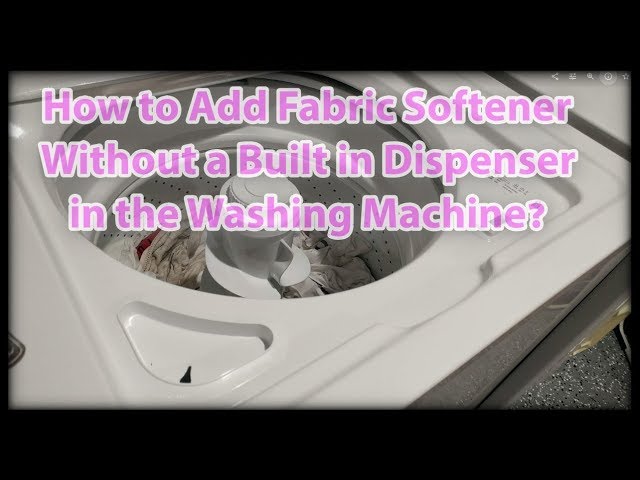
Ever stare into your washing machine wondering where to put fabric softener in washing machine without dispenser? You’re not alone. Machines without dispenser drawers seem to mock us when it comes to adding fabric softener properly. But don’t sweat it. We’re diving deep — like the guy who owns a tiny laundromat on Brooks Avenue who’s nailed his softener routine without fancy dispensers. Ready to save your laundry?
Understanding Fabric Softener’s Role
Fabric softener’s magic comes during the rinse cycle. It coats fibers, making clothes soft and static-free. If it’s dumped too early (like during the wash cycle), it’ll get washed away, leaving zero benefits. So timing and placement are key.
Why Machines Without Dispensers Are Tricky
No dispenser? No problem — but there’s a catch. Without a designated compartment, fabric softener can stick to clothes or the machine’s drum, causing spots or residue. We’ll break down exactly how to avoid these pitfalls.
Top Loading Machines Without Fabric Softener Compartments
- Add softener manually after the wash cycle.
- Wait for the rinse cycle to start, then pour the softener around the tub’s perimeter.
- Gently swirl water to mix softener evenly.
Front Loading Machines Without Dispensers
- Pause at rinse cycle start.
- Pour fabric softener directly into drum avoiding detergent residue spots.
Step-by-Step Guide: Where To Put Fabric Softener In Washing Machine Without Dispenser
- Start your normal wash with detergent only.
- Listen or watch for the rinse cycle to begin — usually after drain and spin.
- Open lid or door carefully.
- Pour fabric softener slowly around the edges of the drum (not directly onto clothes).
- If possible, let machine mix for a few moments before closing.
Common Mistakes That Ruin Fabric Softener Effects
- Adding softener before wash cycle starts.
- Pouring undiluted softener directly on clothes.
- Using too much softener causing build-up.
How To Avoid Residue Build-Up And Machine Maintenance Tips
Residue is a sneaky enemy if fabric softener isn’t used properly. Here’s what the laundromat pro on Brooks Avenue swears by:
- Use recommended amount only.
- Run monthly cleaning cycles with vinegar and baking soda.
- Wipe down drum and seals regularly.
Environmentally Friendly Fabric Softener Alternatives
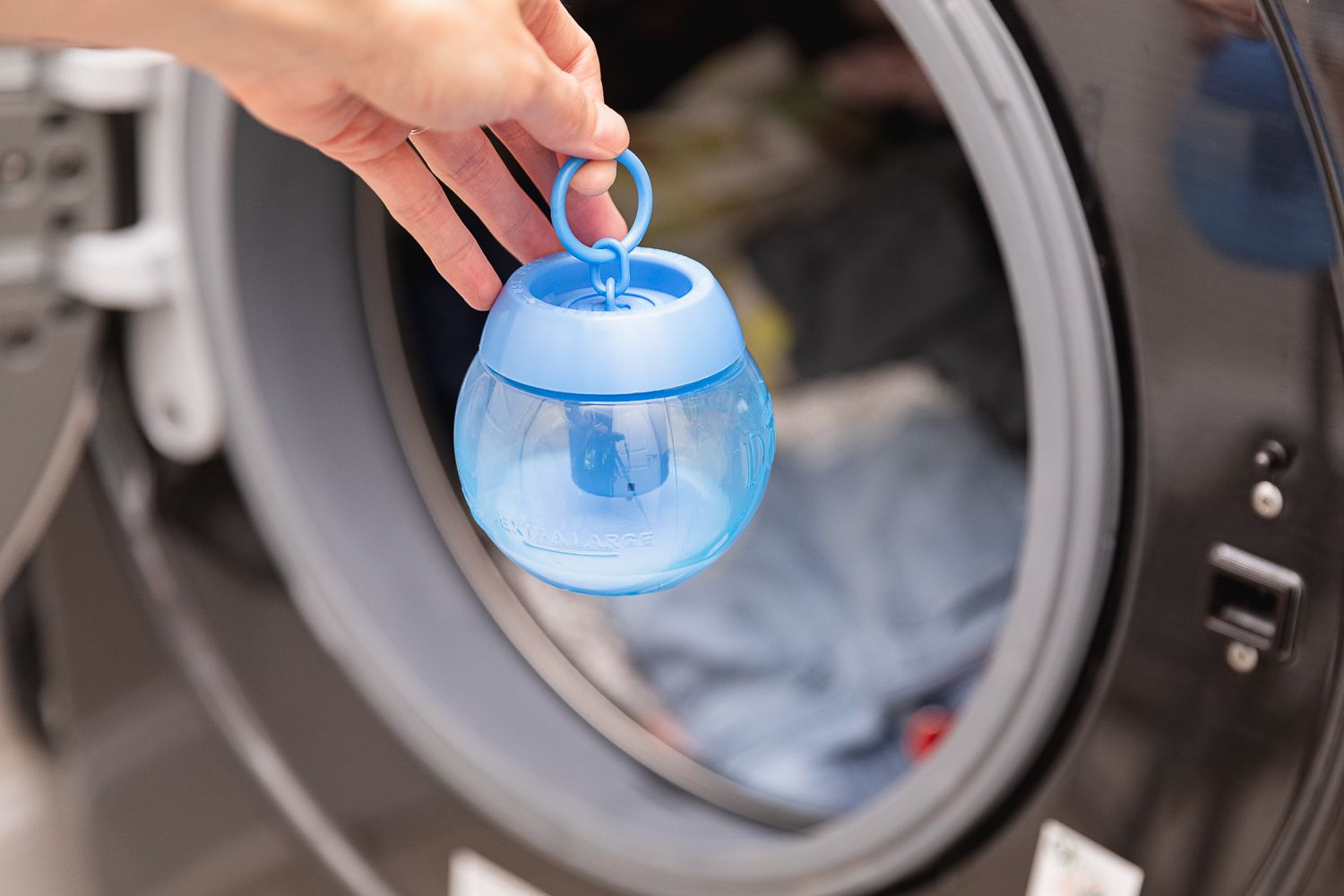
If you’re itching to ditch chemicals, try ball-style softeners, wool dryer balls, or homemade softeners with vinegar and essential oils. They often work better when your machine lacks a dispenser.
Additional Tips For Different Machine Types
Top Load Machines
Manually pour fabric softener after the wash cycle but before rinse starts. If unsure, monitor machine sounds or timers.
Front Load Machines
Pause the cycle on rinse. Add diluted softener slowly, then close door and resume.
High Efficiency Washers
Use less softener; these machines use little water so undiluted softener risks residue.
Tips From Experts Backed By Manufacturers
Whirlpool advises adding fabric softener during rinse, especially if your model lacks a dispenser. See their official fabric softener usage tips for trusted advice.
Got a classic top loader? Snuggle’s guide on using fabric softener in top loaders breaks it down clearly for users without dispensers.
DIY Hack: Fabric Softener Dispenser Bottle
Can’t wait? Use an old detergent bottle. Poke holes in the lid, fill with diluted softener, and pour at rinse start to mimic a dispenser’s drip-feed effect. It’s quirky but effective!
How To Add Fabric Softener Without Interrupting Washing Cycle
- Use machines with pause function.
- Dilute fabric softener beforehand to avoid sticky spots.
- Pour it in carefully when paused.
- Wait for rinse
- Dilute softener
- Pour around drum edges
for best results!
Conclusion
Figuring out where to put fabric softener in washing machine without dispenser doesn’t have to be frustrating. Manual addition during rinse, dilution, and careful pouring keep your clothes soft, smell fresh, and protect your machine. Whether you run a small laundromat or just your home setup, following these practical tips gets you laundry perfection every single wash cycle. Don’t let the lack of a dispenser cramp your fabric softening style—master the timing and technique instead!
💬 “Every laundromat owner knows: timing and patience beat gadget fancy any day. Softener is simple if you listen to your machine.” — Laundry Pro, Brooks Avenue
Source: www.hellocleaner.ae

Source: www.reddit.com

Source: www.youtube.com
Frequently Asked Questions
Can I pour fabric softener directly on clothes in a machine without a dispenser?
Directly pouring fabric softener on clothes can cause spots and stains. It’s best to pour diluted softener around the drum edges during the rinse cycle.
What happens if I add fabric softener at the start of the wash?
Adding fabric softener too early means it will wash away during the main wash, losing its softening effect and potentially causing buildup inside the machine.
How do I know when the rinse cycle starts if my machine has no indicator?
Most machines drain and spin between wash and rinse. Listen for water changes or pause the machine after the main wash ends to add softener manually.
Is it necessary to dilute fabric softener before using it in machines without dispensers?
Yes, diluting fabric softener prevents concentrated spots that can stain clothes or leave residue inside the machine.
Are there safer alternatives to fabric softeners for sensitive skin or machines?
Using white vinegar in the rinse cycle or wool dryer balls are gentle alternatives that avoid chemical residues and work well in dispensers-free machines.

Tyrone Jacobs is passionate about reducing household carbon footprints without sacrificing cleanliness. Her articles focus on high-efficiency (HE) machines, low-water washing techniques, and DIY natural machine-cleaning solutions. If you want to lower your utility bills and keep harsh chemicals out of your drain hoses, Tyrone Jacobs is your go-to expert.