Ever wonder how to wash shower liner in washing machine? You toss it in with your towels, right? Not quite. Washing a shower liner properly can save you from mold buildup, lingering smells, and drips of soap scum. Let’s skip the myths and dive into a real-world tested method that even the busy guy on 4th Street who runs the corner bodega will appreciate. 🚀
Why Washing Shower Liners Matters
Shower liners collect grime – soap scum, hard water stains, and that oh-so-familiar mildew (ugh). Ignoring them? Your bathroom turns into a microbial breeding ground. That’s the last thing you want where you clean yourself daily. So, how often should you clean? Experts recommend every month to keep everything crisp and fresh. You don’t want to wait until it looks like a biology experiment hatch panel. Simple Green explains this well.
- Clean shower liners every 4 weeks.
- Mold thrives in warm, damp places.
- Plastic liners need gentle washing cycles.
Pre-Washing Prep: What You Need to Know
- Remove the liner from the rod carefully to avoid rips.
- Shake off excess water – wet liners weigh down washers.
- Check the label for washing instructions—yes, even liners have labels!
- Spot-treat visible mold spots with vinegar or baking soda paste.
Washing Machine Settings for Shower Liners
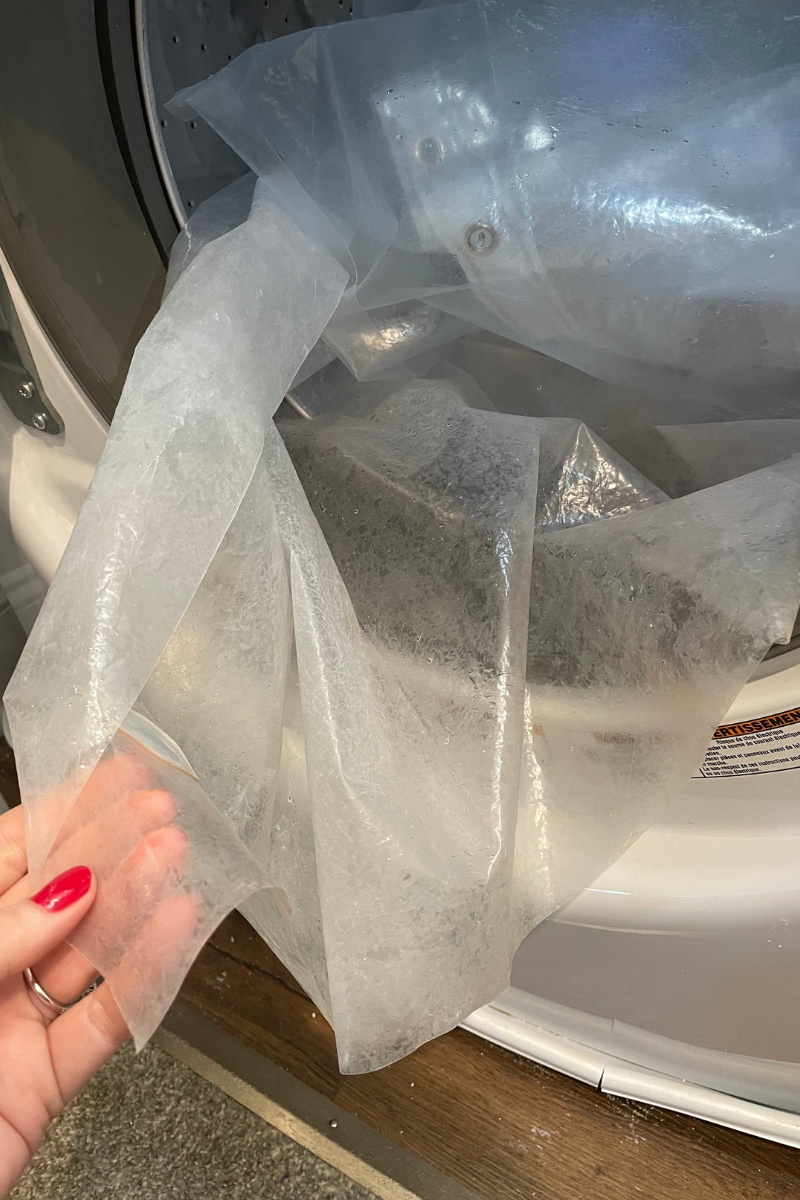
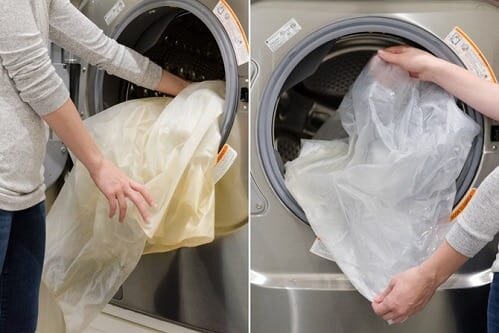
Your machine can be a shower liner’s best friend if you set it right. Use cold or warm water. Hot water may warp plastic liners. Select a gentle or delicate cycle to avoid stressing the material. Toss in a few towels — they add weight so the liner won’t crumple or fling around wildly. Trust me, this handy trick is a game-saver. Here’s a visual example shared by Jeff & Lauren.
What Detergents and Additives Work Best?
Ditch harsh bleach unless you want a brittle liner. Instead, white vinegar acts as a natural mold fighter and deodorizer. Add half a cup directly into the drum. If the liner is heavily stained, add baking soda to the detergent compartment for extra scrubbing power. Laundry detergents formulated for delicates also work perfectly fine, just keep it mild. No fabric softeners—they reduce water absorption in plastic, leading to more soap residue.
- Do use mild detergents or vinegar.
- Don’t use fabric softener or bleach.
Step-by-Step: How To Wash Shower Liner In Washing Machine
- Remove liner and shake off water.
- Add half cup white vinegar to washing machine and mild detergent.
- Place liner in the drum along with 2 towels.
- Choose gentle cycle with cold or warm water.
- Run the washing machine.
- Hang liner to air dry immediately after washing to avoid mildew.
Drying Tips: Air Dry or Dryer?
Never throw a shower liner in the dryer. The heat can warp and degrade plastic. Instead, hang it on the rod straight away and let it drip dry naturally. Ensure good bathroom ventilation or place it outside if weather permits. This prevents that funky mildew smell from creeping back in. A well-dried liner means a happier bathroom and a fresher shower experience. 🚀
Common Mistakes to Avoid
- Ignoring the liner for months until mold visible.
- Washing without towels—causes tangling and wrinkling.
- Using bleach or harsh chemicals that damage material.
- Throwing liner into a hot dryer.
- Neglecting a good pre-wash spot treatment on mold spots.
DIY Mold Removal Solution
For stubborn mold, mix equal parts vinegar and water in a spray bottle. Spray liner thoroughly, let soak for 10 minutes, then rinse. Alternatively, a baking soda paste works wonders. Apply, scrub gently with a sponge, rinse, then toss in the washing machine. Don’t settle for a less-than-fresh liner. Act fast or you’ll regret it every shower. Southern Living shares expert cleaning frequencies.
When To Replace Your Shower Liner
You can clean shower liners a lot, but nothing lasts forever. If cracks, tears, or persistent stains remain even after washing, it’s time to retire that liner. Replacement intervals vary, but typically 6 to 12 months keep your bathroom hygienic. Consider liners with anti-microbial coatings for longer life if you hate frequent changes.
Eco-Friendly Alternatives
If you hate washing plastic liners, explore fabric or vinyl alternatives that you can machine wash more comfortably. Some fabrics dry quickly and resist mildew better. Just beware of waterproofing additives which may require special laundering. Choosing sustainable options reduces plastic waste too.
Extra Tips for Hard Water Areas
Hard water leaves mineral deposits that soap scum clings to. Adding a cup of distilled white vinegar to each wash cycle breaks down these minerals naturally, preventing buildup. Make sure to rinse liner well post-wash to avoid residue that encourages mold growth.
How To Store Shower Liners Between Uses
Don’t crumple or fold poorly after drying. Hanging it properly prevents creases that trap moisture and promote mildew. If removing for long periods, keep it rolled or loosely folded in a dry, ventilated area.
Professional Cleaning and Repairs
If you have a luxury or fabric liner, consider professional cleaning to protect delicate materials. For plastic liners, repairs usually mean replacement, but patch kits exist for minor tears. Don’t waste hours trying to fix a ruined liner—it’s easier and cleaner to replace it.
Summary
So, how to wash shower liner in washing machine? Treat it kindly: gentle cycles, cool water, vinegar, and towels for balance. Air dry and repeat monthly. Avoid bleach and dryers, and pre-treat mold. This expert-backed method saves time, money, and keeps your shower smelling fresh and clean—no science experiment needed! For visual washing demonstrations, check TikTok’s easy washing machine method here.

Source: www.theboldabode.com

Source: www.wikihow.com
Source: jerseyshorescene.com
Frequently Asked Questions
Can I wash a plastic shower liner in the washing machine?
Yes, plastic liners can be washed safely on a gentle cycle with cold or warm water. Add towels to balance the load and use mild detergent with white vinegar to fight mold and odors.
How often should I wash my shower liner?
Washing monthly is ideal to prevent buildup of soap scum and mildew. If you notice mold or smells before then, wash sooner.
Is it okay to use bleach on a shower liner?
Bleach is not recommended because it can degrade plastic or fabric liners. Instead, use white vinegar or baking soda for gentle mold removal and cleaning.
Should I dry my shower liner in the dryer?
No. Dryers can warp or damage liners. Always air dry your liner by hanging it up immediately after washing.
What if my shower liner has tough mold stains?
Pre-treat using vinegar spray or baking soda paste before washing. For persistent stains, multiple treatments or replacement may be necessary.
Can fabric shower liners be washed the same way?
Fabric liners usually tolerate machine washing but check specific care labels. Use gentle cycles and mild detergents without bleach.
How do I prevent soap scum buildup on my liner?
Regular washing, using vinegar in cycles, and wiping down the liner after showers help prevent soap scum. Hard water treatments also assist in reducing mineral deposits.

Mary Snodgrass oversees all content at WashingMachineCare.com with a keen eye for detail and consumer advocacy. Spending over a decade in appliance retail management, he knows the industry tricks and which brands actually stand the test of time. Mary Snodgrass buying guides help readers navigate confusing spec sheets to find the perfect washer for their household needs and budget.