Ever stood in front of your laundry room’s humming giant and wondered, “What is a drum washing machine exactly?” You’re not alone. In 2026, these ingenious devices aren’t just machines—they’re home heroes, handling clothes with the finesse of a seasoned chef carefully flipping pancakes over a hot griddle. So, what makes the drum inside your washing machine the real MVP? Let’s lift the lid and peer inside.
Understanding The Drum Washing Machine Mechanism 🚀
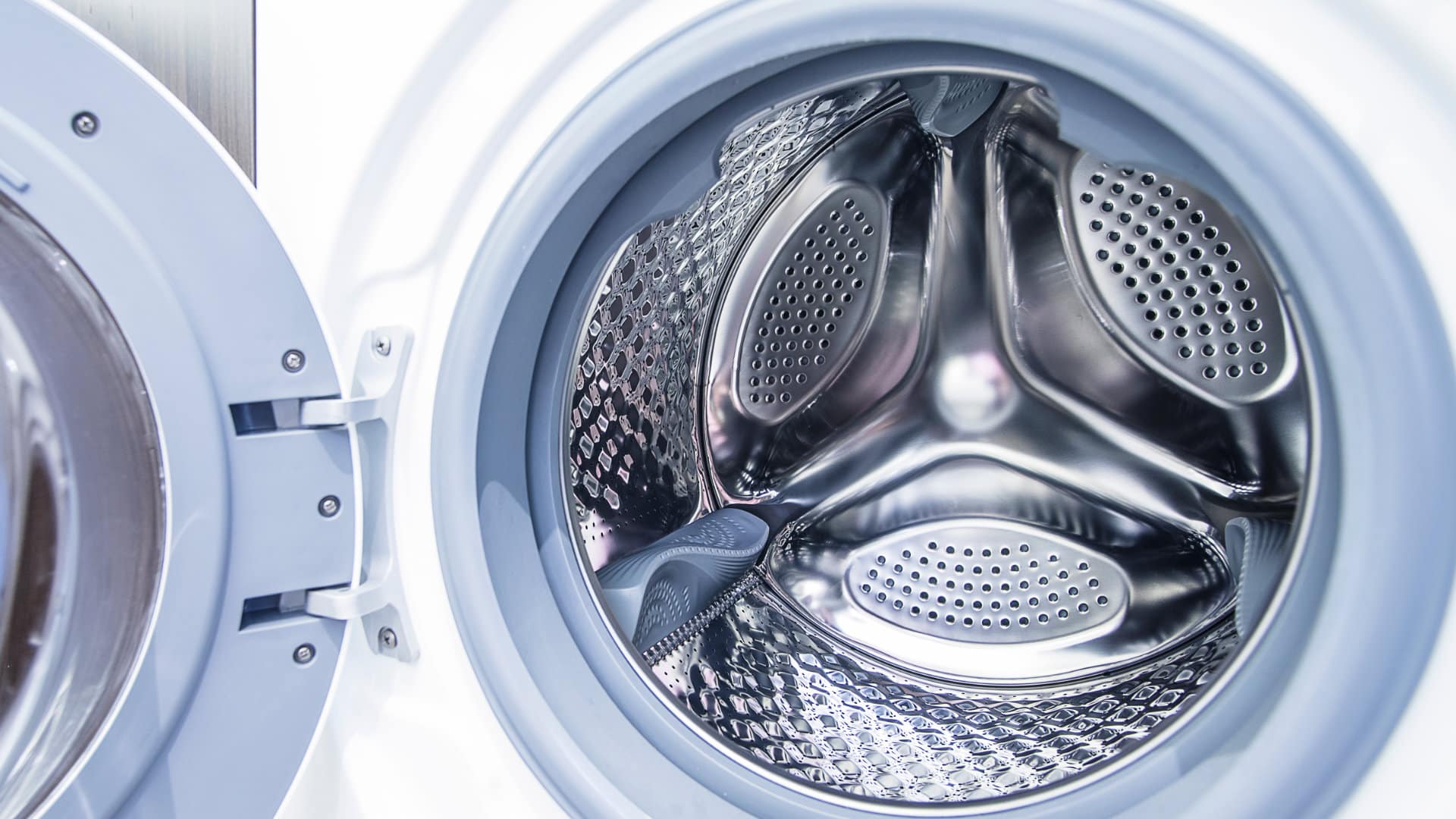
At its core, a drum washing machine features a rotating drum designed to gently tumble clothes, unlike earlier models that relied on harsh agitation. This drum spins horizontally or, occasionally, vertically, and it’s where the magic happens—mixing water, detergent, and garments in a dance choreographed for cleanliness and care. This design is pivotal in minimizing fabric damage and maximizing the wash’s effectiveness, making it a favorite for delicate and everyday towels alike.
- Horizontal drums are common in front-loading washers offering better washing performance.
- Vertical drums tend to be simpler and often cheaper but slightly harsher on clothes.
- Modern drums feature perforations allowing water to flow through while keeping fabrics contained.
Drum Materials & Their Impact
Manufacturers mostly use stainless steel for drums owing to its resilience and resistance to rust. Others might use plastic or enamel-coated steel which slightly reduce cost but don’t last as long under heavy use. This distinction matters especially when planning your laundry machine’s lifespan.
Why Choose A Drum Washing Machine In 2026?
Simple: drum washing machines offer superior energy efficiency, water savings, and fabric care. They align with 2026’s eco-conscious homes where reducing consumption is king. A friend of mine, running a boutique hotel, swears that switching to drum washers saved him over 30% on monthly utility bills (and kept his staff’s favorite linens silky and vibrant longer). That’s the kind of practical advantage worth shouting about.
Energy And Water Efficiency Effects
Drum washers use tumbling action that requires less water than traditional agitator machines. By needing less water, these machines halve the average load’s water consumption, directly cutting energy usage for heating. Many in 2026 highlight this point when reviewing washing appliances.
Common Features To Look For In Drum Washing Machines
- ✅ Front-loading design for ease of use and space efficiency.
✅ Multiple wash cycles catering to different fabric types.
✅ Smart sensors that adjust water and energy usage automatically.
✅ High spin speeds for better water extraction, reducing drying time.
✅ Noise reduction technology for quieter operation.
Maintenance Tips To Keep Your Drum Washer In Top Shape
Here’s the kicker: no matter how advanced, drum washers need love. From cleaning the drum and detergent drawer regularly to checking gaskets and filters, consistent upkeep prevents odors and malfunctions. Prevention beats costly repairs and downtime—especially when you run a family household.
When Drum Washing Machines Might Not Be Ideal 🔢
Despite their perks, drum washers may not suit every setup. Tight spaces with restricted door clearance might struggle with front-load doors. Also, care must be taken for heavily soiled work clothing, as the gentler tumbling action sometimes needs a pre-wash or higher temperature to tackle grime.
Professional Help Versus DIY Fixes
Often minor drum-related issues like unusual rattles or slow spins can be resolved by clearing drains or rebalancing loads yourself. Yet persistent leaks or motor errors? That’s when calling a certified technician is non-negotiable.
Drum Washing Machines: Latest 2026 Innovations
Today’s drum washers feature AI-driven wash programs that recognize fabric type and adjust cycles in real-time for ultimate care and efficiency. Some include IoT capability letting users remotely monitor and start their laundry loads via smartphone apps—imagine running your wash from a morning coffee shop!
Comparing Drum vs Agitator Machines 🆚
| Feature | Drum Washing Machine | Agitator Machine |
|---|---|---|
| Fabric Care | Gentle tumbling reduces wear | Mechanical agitation can strain clothes |
| Water Usage | Uses less water per load | Typically uses more water |
| Energy Efficiency | Generally more efficient | Less efficient |
| Load Capacity | Varies, often larger | Often smaller loads tolerated |
How Drum Washing Machines Connect To Home Appliances Trends
With smart home hubs on the rise, drum washers integrate seamlessly with today’s connected lifestyle. You can schedule washes for off-peak energy hours, view maintenance alerts, and even order detergent automatically when stocks are low.
What Are The Costs Associated With Drum Washing Machines?
- Initial purchase price is often higher than simple agitators.
- Lower operating costs owing to water and energy savings.
- Maintenance costs vary but preventative care reduces surprises.
Practical Buying Tips For Drum Washing Machines
Assess your household laundry volume, available space, and fabric preferences. Don’t skimp on energy ratings—they pay off fast. Also, read reviews from users with similar laundry habits to get real-world insights.
Common Mistakes & How To Avoid Them 🔢
- ✅ Overloading the drum, which strains the motor.
✅ Using too much detergent, causing buildup.
✅ Ignoring regular cleaning routines delaying maintenance.
✅ Not balancing loads leading to machine shaking.
Wrapping Up — What Is A Drum Washing Machine In 2026?
Now you see, asking “What is a drum washing machine?” opens a window into a world where practicality meets innovation. This washer style spins your clothes clean yet gentle, trims bills, and fits right into smart homes. If you prioritize efficient, caring laundry alongside modern tech, drum washers are the way to go in 2026 for anyone serious about choosing the right washer.

Source: www.spinchill.com
Source: registerappliance.com
Frequently Asked Questions
What is the main difference between a drum and agitator washing machine?
The key difference is in how clothes are cleaned: drum washers tumble clothes gently in a rotating drum, whereas agitator washers use a central post to scrub fabrics vigorously. Drum washers offer better fabric care and efficiency.
How often should I clean the drum of my washing machine?
It’s recommended to clean the washing drum once a month to avoid residue buildup and odors. Running an empty hot cycle with specialized detergent or white vinegar helps maintain freshness.
Can a drum washing machine handle heavily soiled work clothes?
While drum washers are gentle, they can handle heavy soils if you use the correct cycle with pre-treatment or a higher temperature. For extreme dirt, some users prefer machines with agitators or pre-wash options.
Are drum washing machines more energy efficient?
Yes, they generally use less water and energy than agitator types, leading to lower utility costs and environmental impact, making them popular in eco-conscious homes in 2026.
Is professional maintenance necessary for drum washing machines?
Routine cleaning is DIY, but ongoing mechanical issues, leaks, or electronic faults should be addressed by professionals to ensure safety and longevity of the machine.

Mary Snodgrass oversees all content at WashingMachineCare.com with a keen eye for detail and consumer advocacy. Spending over a decade in appliance retail management, he knows the industry tricks and which brands actually stand the test of time. Mary Snodgrass buying guides help readers navigate confusing spec sheets to find the perfect washer for their household needs and budget.