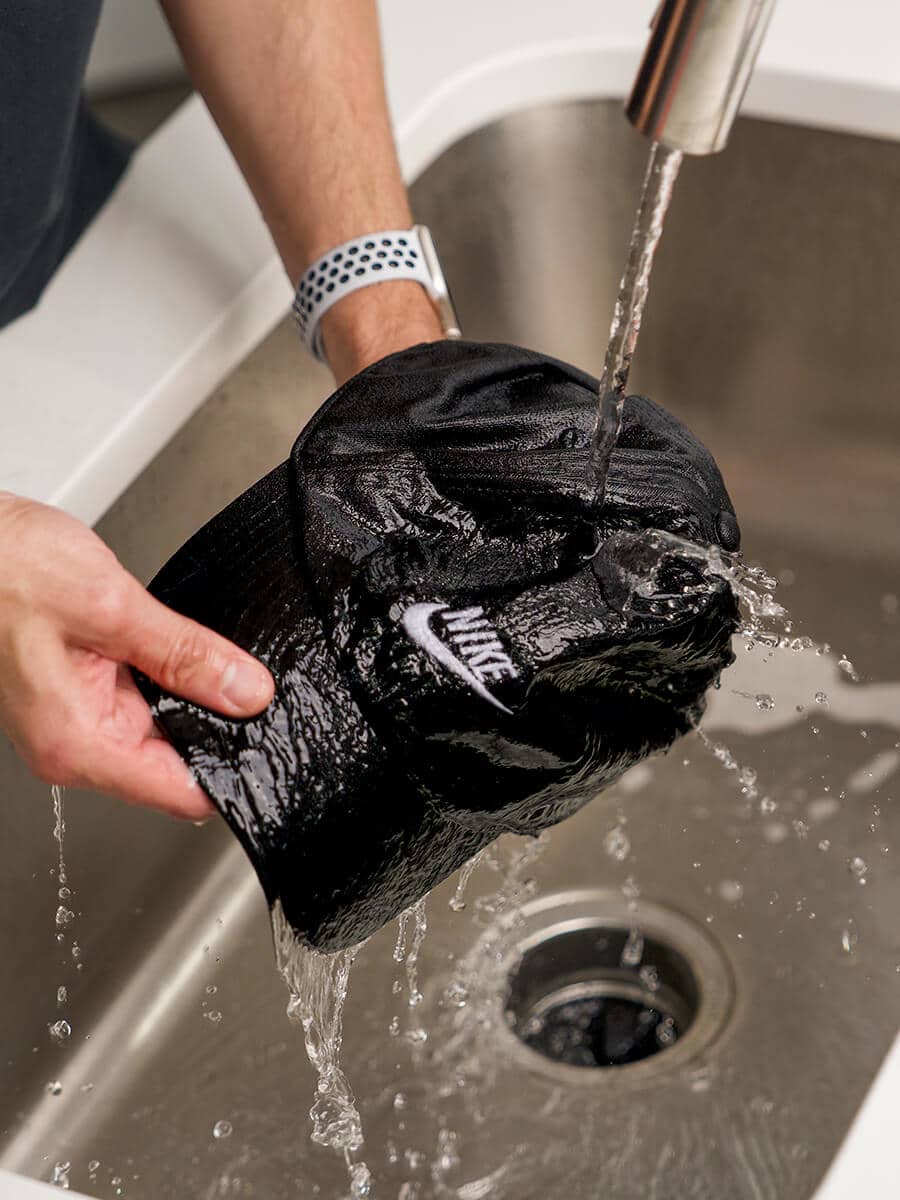
Ever wondered how to wash a hat in the washing machine without ruining it? You’re not alone. Hats, especially baseball caps, carry a ton of sweat, dirt, and that unmistakable smell after a long day outside. Tossing one in the laundry seems simple, but a careless spin cycle can crush your prized cap. 🚀 Let’s break down the exact steps so you can safely machine wash your hats and keep their shape intact.
Why Machine Washing Your Hat? Pros and Cons
| Pros | Cons |
|---|---|
| Saves time compared to hand washing | Risk of misshaping the hat |
| Effective at removing grime and odors | Can damage delicate fabrics or embellishments |
| Convenient for frequent wearers | Color fading over time possible |
What Types of Hats Can You Safely Machine Wash?
Not all hats are created equal. Machine washing suits some better than others. For example, cotton baseball caps, polyester snapbacks, and some nylon hats handle the wash well. But wool hats, straw hats, and those with leather or delicate sewing should stay far away from the drum. Using your washing machine on wool can cause shrinkage, while straw hats might warp or splinter.
Step-by-Step Guide: How To Wash A Hat In The Washing Machine
- Pre-clean excess dirt. Brush off loose dirt and dust gently using a soft brush.
- Spot treat stains. Dab a mild detergent solution on heavily stained areas.
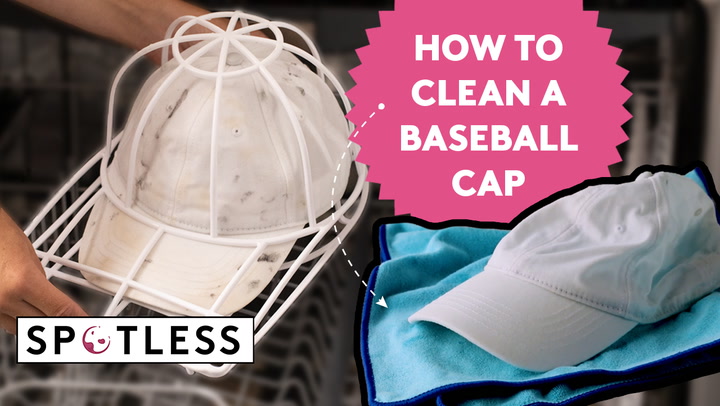
- Use a hat frame or cage. Place the hat inside a hat cage or frame to maintain its shape during the wash.
- Load the machine properly. Put hats in with towels or other laundry to balance the load and reduce stress on the hat.
- Select a gentle cycle. Use cold water and a delicate or gentle wash cycle to protect fabric integrity.
- Use mild detergent. Avoid bleach or harsh chemicals that can damage color and fabric.
- Remove immediately after washing. Prevent wrinkles by not letting the hat sit wet in the machine.
- Air dry. Never use a dryer—reshape the hat on a rounded object and air dry away from direct sunlight.
Common Mistakes to Avoid When Washing Hats
- Skipping the pre-wash cleaning, which leads to set-in stains.
- Using hot water or bleach, which fades colors or distorts shape.
- Washing hats without protection, causing misshaping from tumbling.
- Ignoring the care label’s instructions.
- Putting hats in the dryer, which can permanently shrink or warp them.
Maintaining Your Hat Post-Wash
After washing, the marathon isn’t over. Don’t just toss your wet hat somewhere. Instead, place it over a rounded object like a bowl or a balloon to keep the visor and crown’s form. Let it air dry in a well-ventilated spot. If you’re after faster drying, a fan can help but avoid direct heat.
Special Considerations for Baseball Caps
Baseball caps have structured brims which can become mangled quickly in a washing machine. Using specific baseball hat cages is a lifesaver. Without one, the brim bends, and sometimes, the cap never recovers its original shape. For more detailed advice, the expert [xtralaundry guide on washing hats](https://www.xtralaundry.com/tips/how-to-wash-a-hat) has a solid strategy for baseball cap care.
Safe Detergents and Additives for Hat Washing
- Choose mild detergents free from optical brighteners.
- Skip bleach and fabric softeners.
- If odors persist, add white vinegar as a natural deodorizer during the rinse cycle.
- Avoid harsh stain removers unless patch-tested.
Extra Tips for White Hats in the Washing Machine
White hats tend to yellow or gray over time. Use color-safe whitening agents if necessary. Avoid chlorine bleach, which damages fabric fibers. To keep whites bright, soak hats briefly in a solution of baking soda and water before machine washing on a gentle cycle.
When to Go for Professional Hat Cleaning?
Complex hats with fabrics like wool or leather, or vintage pieces with sentimental value, should be entrusted to a professional cleaner who knows the nuances. Machine washing risks ruining these treasures irreparably. If ever in doubt, consult a hat care specialist or follow manufacturer guidelines for cleaning.
By now, you’ve covered the full path on how to wash a hat in the washing machine without turning it into a soggy, misshapen mess. Remember, patience and proper precautions pay off! If you need a visual run-through of washing baseball caps safely in the washer, check out detailed videos such as the one offered by top YouTube tutorials on baseball hat washing.
Other Helpful Resources
- Expert guide on baseball hat washing
- Fashion tips for proper hat care
- Brand advice on machine washing hats
Follow these guidelines every time and enjoy clean, fresh hats that keep their shape and style intact. How to wash a hat in the washing machine? It’s not rocket science — just a wise mix of care and the right tools. ⚖️

Source: www.wikihow.com
Source: www.realsimple.com

Source: www.youtube.com
Frequently Asked Questions
Can all hats be washed in a washing machine?
No, not all hats are suitable. Cotton or polyester hats usually safe; wool, straw, or leather hats should be hand washed or professionally cleaned to avoid damage.
How do I prevent my hat from getting misshapen in the washer?
Use a hat cage or frame to keep the shape during washing. Also, wash on a gentle cycle with cold water and avoid tumbling dry.
What detergent should I use for washing hats in a machine?
Choose a mild detergent without bleach or strong chemicals. Natural or gentle detergents help preserve fabric and colors better.
Is it safe to dry hats in a dryer?
No. Heat from dryers can warp or shrink hats. Always air dry them shaped over an object to maintain their form.
Can vinegar really help with hat odors?
Yes, adding white vinegar during the rinse cycle neutralizes odors naturally without damaging fabric.
What if my hat has a stubborn stain after machine washing?
Spot treat the stain before washing next time. For tough stains, careful hand cleaning may be necessary to avoid fabric damage.
Why is reshaping my hat after washing important?
Reshaping helps maintain the hat’s original structure and looks sharp. It prevents lasting creases and warped visors.

Mary Snodgrass oversees all content at WashingMachineCare.com with a keen eye for detail and consumer advocacy. Spending over a decade in appliance retail management, he knows the industry tricks and which brands actually stand the test of time. Mary Snodgrass buying guides help readers navigate confusing spec sheets to find the perfect washer for their household needs and budget.