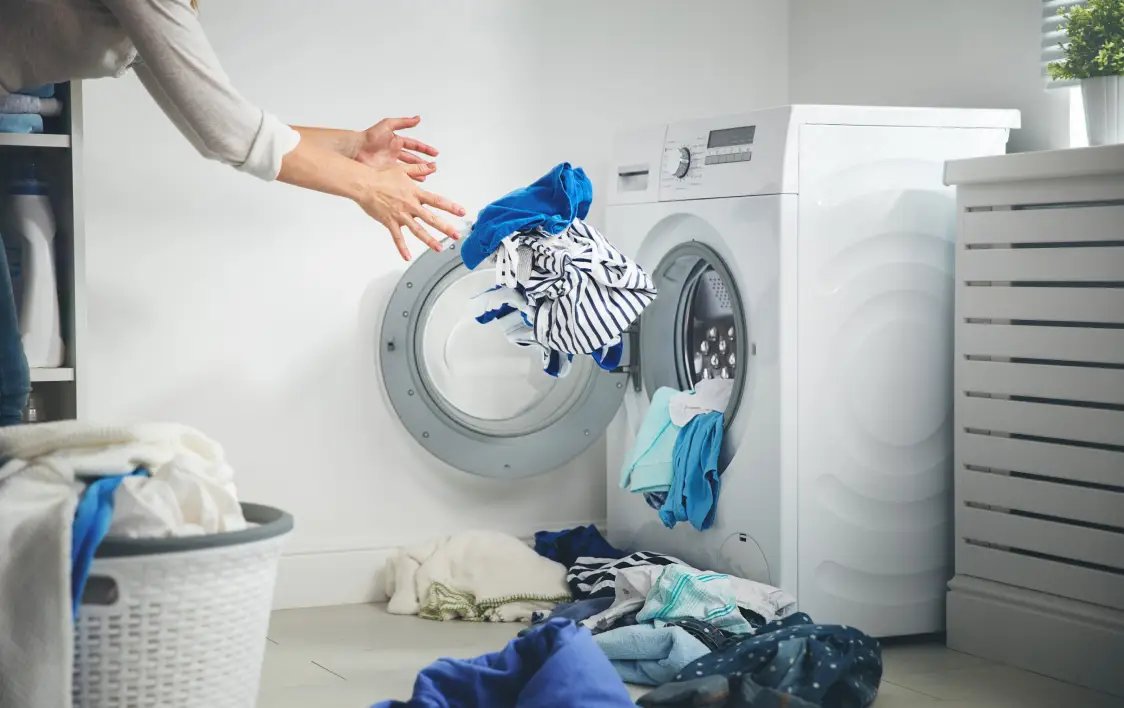
Ever stood staring at your washing machine, wondering how long does the washing machine take while that countdown timer ticks away agonizingly slow? You’re not alone. The truth? It’s not a simple ‘one-fits-all’ answer. In reality, many factors dictate the total washing time — from the selected cycle to the machine’s efficiency. Today, we’re diving headfirst into those variables so you can master your laundry game with precision 🚀.
Why Do Washing Machine Times Vary?
The variation isn’t random. It depends on multiple critical elements: the cycle type, water temperature, load size, fabric type, and even the detergent used. Think about it this way — a delicate silk blouse demands a gentler, longer, and slower wash compared to rugged denim. Plus, high-efficiency machines tweak cycles to save water and energy, sometimes lengthening the time.
Cycle Type and Duration Explained
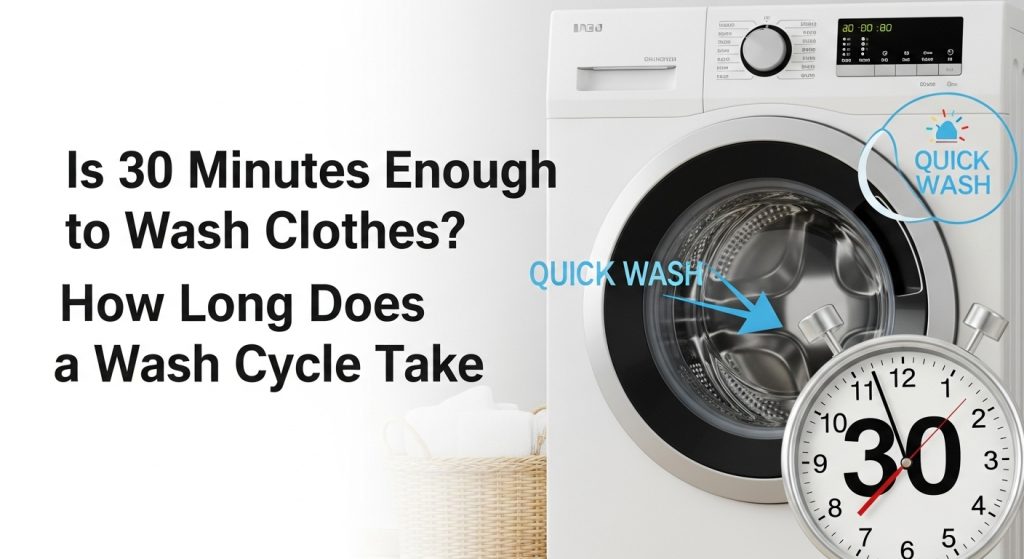
- Quick Wash: About 15-30 minutes for lightly soiled clothes.
- Normal/Regular Wash: Typically 45-60 minutes, perfect for everyday wear.
- Heavy Duty: Between 60-90 minutes for tough stains and bulky items.
- Delicate/Gentle: Around 40-60 minutes to protect fragile garments.
- Eco Mode: Could last 90 minutes or more to conserve water and energy while maintaining cleaning power.
Load Size and Its Impact
Ever crammed your machine to max capacity and wondered why the cycle took forever? Overloading means your washer struggles to circulate water and detergent properly. On the other hand, very small loads might trigger sensors to extend cycles to optimize rinsing and spinning.
Water Temperature Settings Matter
Hot water cycles typically take the longest since the machine needs time to heat water. Conversely, cold water cycles can be quicker but may require a longer wash to achieve the same cleaning results.
Machine Type and Technology
Front-loading washers often take longer than top loaders due to their tumbling action and water-saving features. On newer front-loaders with smart sensors, the machine dynamically adjusts cycle length based on load weight and dirtiness.
Estimating Machine Time for Your Wash
Learning how long does the washing machine take per scenario can save you from unexpected wait times. Let’s break down some typical cycle times you can expect:
| Cycle Type | Approximate Time |
|---|---|
| Quick Wash | 15-30 minutes |
| Regular Cotton Wash | 45-60 minutes |
| Heavy Duty | 60-90 minutes |
| Delicate | 40-60 minutes |
| Eco Mode | 90+ minutes |
How to Shorten Your Washing Time Without Compromising Cleanliness
Not everyone has the luxury to wait 90 minutes just for a load. Here’s a rapid-fire checklist to trim down time:
- Choose Quick Wash for lightly soiled clothes.
- Avoid overloading to ensure effective water and detergent circulation.
- Opt for cold water cycles when possible to skip heating delays.
- Use high-efficiency detergents formulated for fast action.
- Regularly clean your machine’s filters and drums to maintain peak performance.
When to Call a Professional
Ever notice your washing machine’s cycle taking forever or suddenly much longer than usual? This could hint at underlying issues such as:
- A malfunctioning sensor incorrectly estimating load dirtiness.
- Blocked or clogged drainage reducing spin efficiency.
- Faulty temperature sensors causing prolonged water heating.
- Problems with the motor or electronics affecting cycle progression.
If your machine constantly exceeds normal times without clean results, seek expert help rather than attempting DIY fixes to avoid voiding warranties or damaging components.
What Experts Say About Washing Cycle Duration
“Being patient with your wash cycle can often increase your clothes’ lifespan and save your washer from premature wear.” — Jessica Clarke, Appliance Specialist
Technological Advances Changing Washing Times
The industry isn’t static; technological leaps continue to redefine cycle times. Newer models incorporate AI-driven sensors that adapt in real-time, balancing speed with efficiency and fabric care. For a deeper dive into how these innovations affect washing durations and choices, check out these insights on washing machine functionality from Wikipedia’s washing machine entry.
Summary Checklist: Factors Affecting How Long Your Washing Machine Takes 🚀
- Cycle type selected
- Load size and distribution
- Water temperature choice
- Detergent type and amount
- Washer model and technology
- Machine maintenance status
Remember, understanding how long does the washing machine take lets you plan your day better, avoid unnecessary energy bills, and keep your garments in great shape. Next time your machine beeps, you’ll know exactly what to expect and when to reach for your favorite post-laundry beverage 💬.
Source: bynext.co

Source: blog.bellinghamelectric.com
Frequently Asked Questions
How long does a typical washing cycle take?
A typical washing cycle can range from 30 to 90 minutes depending on the selected mode, load size, and temperature setting.
Why is my washing machine cycle taking longer than usual?
Longer cycles can result from sensor recalibrations, overloading, clogged filters, or technical faults and might require professional inspection.
Can I shorten the washing machine cycle and still get clean clothes?
Yes, by selecting quick wash options for lightly soiled clothes, using efficient detergents, and avoiding overloads, but heavily soiled items need longer cycles.
Do eco modes take longer to wash clothes?
Eco modes generally extend cycle duration to reduce water and energy usage, emphasizing sustainability over speed.
How often should I maintain my washing machine to ensure optimal cycle times?
Regular maintenance such as cleaning filters, detergent drawers, and running cleaning cycles every 1-2 months ensures consistent performance and timing.

With over 15 years of hands-on experience in the appliance repair industry, Erick Jackson is WashingMachineCare’s resident gearhead. He holds multiple manufacturer certifications and specializes in breaking down complex mechanical failures into easy, step-by-step DIY fixes. When he’s not covered in grease, Erick Jackson enjoys restoring vintage washing machines to their former glory.