
Understanding the Sulfur Smell in Washing Machines
When you notice a sulfur smell or rotten egg odor from your washing machine, it is often due to hydrogen sulfide gas. This gas is made by anaerobic bacteria that live in places without oxygen. These bacteria can grow inside the machine’s drain trap, filter, or rubber gasket. The smell is unpleasant and can make doing laundry a bad experience.
Front-load washers are more prone to this issue because their door seals and drum design can trap moisture. Detergent residue and mildew fungus build up over time, creating a perfect home for bacteria. To learn about proper bleach use in washers, check out expert advice on where to add bleach in washing machine.
Another cause is sulfur in the water supply. Water with sulfur compounds can bring the rotten egg smell right into your washer. This is common in well water or areas with high sulfur content in water pipes.
Common Causes of Sulfur Smell in Washing Machines
The sulfur odor usually points to a few key problems. First, bacteria in the washing machine drain trap or drain hose can create hydrogen sulfide gas. This happens when water stays trapped and turns stagnant. Second, mold and mildew fungus growing on rubber gaskets or detergent dispensers can cause musty smells that mix with sulfur odor.
Detergent buildup also plays a role. Using too much detergent or fabric softener can leave residue. This residue traps dirt and bacteria, leading to biofilm formation. Over time, this biofilm smells bad and is hard to clean without proper care.
Sewer line backup or a clogged drain pump can also cause sewage or sulfur smells. If the washing machine drain smells like sewer, it could mean the drain trap is clogged or the ventilation system for the drain is blocked.
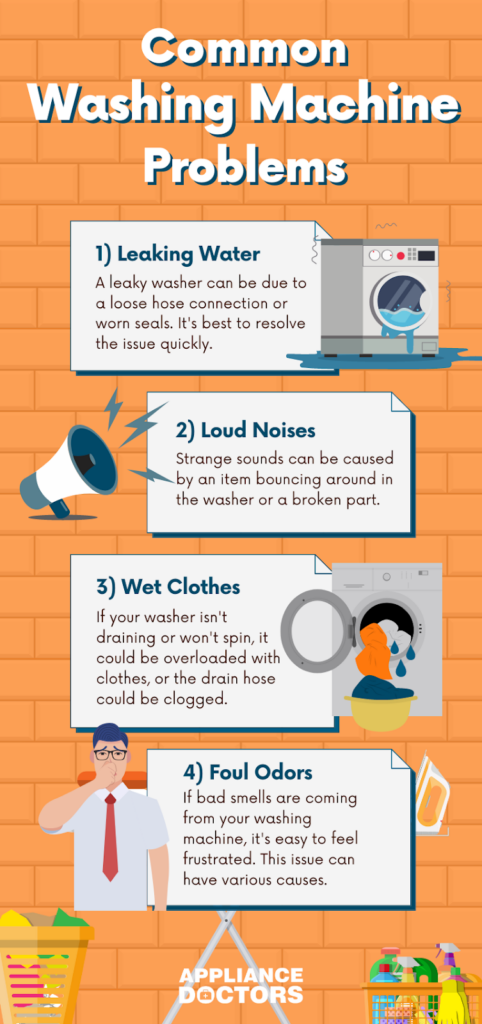
For a deeper understanding of this mechanic, analyzing resources on rotten egg smell in washing machine provides excellent foundational context.
How to Clean and Remove Sulfur Smell from Your Washing Machine
Cleaning your washing machine properly is key to removing sulfur odors. Follow a routine cleaning plan that targets bacteria, mold. And detergent buildup. Start by wiping down the rubber gasket and detergent drawer with a vinegar solution or a specialized washing machine cleaner.
Run a hot water cycle with bleach or washing machine cleaner. This helps kill anaerobic bacteria and cleans the drum and drain trap. Avoid using too much detergent in the future to stop residue buildup.
Step-by-step guide to clean sulfur smell:
- Remove and clean the washing machine filter and drain trap.
- Wipe rubber gaskets and detergent drawer with vinegar.
- Run a hot water cycle with bleach or cleaner.
- Leave the door open after use for better ventilation.
- Check water supply for sulfur contamination.
Cleaning the washing machine filter regularly is essential. A dirty filter traps debris and bacteria. Consult detailed instructions on how to clean Samsung washing machine filter for your model.

Preventing Sulfur Odors in Washing Machines
Preventing sulfur smell requires good washing machine maintenance tips. Always use the right amount of detergent. Avoid leaving wet clothes in the washer for long periods. Keep the washing machine door and detergent drawer open after use to allow air circulation and prevent mildew fungus growth.
Regularly clean the drain hose and filter to stop bacteria and biofilm buildup. If your water supply has sulfur, consider installing a water filter or softener to reduce the smell before it enters the machine.
| Action | Frequency | Benefit |
|---|---|---|
| Clean rubber gasket and detergent drawer | Monthly | Prevents mold and mildew build-up |
| Run hot water bleach cycle | Monthly | Kills bacteria and removes residue |
| Clean washing machine filter | Every 2 months | Removes trapped debris and bacteria |
| Leave door open after use | After every wash | Improves ventilation and drying |
Good ventilation around the washing machine also helps. Ensure the room has enough airflow to dry out the machine between uses. Proper ventilation stops anaerobic bacteria from thriving.
Front-Load vs. Top-Load Washing Machine Odors
Front-load washers often develop sulfur and mold smells more than top-load machines. This is because front-loaders have tight door seals that trap moisture. Top-load washers usually dry faster inside because the drum is open on top.
However, both types can develop sulfur smells if the drain trap or filter is clogged. Regular cleaning and maintenance remain the best defense.
| Feature | Front-Load Washer | Top-Load Washer |
|---|---|---|
| Door Seal | Rubber gasket traps moisture | Open top, dries faster |
| Odor Risk | Higher due to moisture retention | Lower but possible with clogged filters |
| Cleaning Frequency | Monthly recommended | Every 2 months recommended |
To keep your front-load washer fresh, check out tips on cleaning front load washing machine. These guides cover rubber gasket care and filter cleaning.

Significance of Washing Machine Drain Trap and Ventilation
The washing machine drain trap holds water to block sewer gases from coming back up. If it gets clogged or dirty, bacteria grow and create sulfur odors. Cleaning the drain trap and hose removes this problem source.
Proper ventilation of the drain system is also vital. A blocked vent pipe can cause sewage smell washing machine problems. Ensure your drain system is clear and well ventilated to prevent odors.
| Issue | Cause | Effect |
|---|---|---|
| Clogged drain trap | Debris buildup | Bad sulfur smell |
| Poor ventilation | Blocked vent pipe | Sewer gases enter washer |
| Drain pump failure | Mechanical fault | Water not draining, odor buildup |
If you smell sewer or sulfur odors, you may also want to read about why does my washing machine smell like sewer to identify other causes beyond sulfur bacteria.
Conclusion
In 2026, washing machine odors remain a common issue. The sulfur smell usually comes from hydrogen sulfide gas made by bacteria in the drain trap, filter, or gasket. Detergent residue and mold also add to the problem. Proper routine maintenance, such as cleaning filters, running hot bleach cycles. And keeping the door open, can stop these smells.
Checking your water supply for sulfur contamination and ensuring proper ventilation helps prevent odors. Front-load washers need more care due to their design. Regularly cleaning the washing machine filter and drain trap is essential to keep your laundry fresh.
For more in-depth cleaning methods, explore expert tips on how to clean a washing machine with a strong odor on washing machine odor removal. Staying on top of these steps will keep your washer fresh and working well in 2026 and beyond.
Frequently Asked Questions
What causes a sulfur smell in my washing machine?
The sulfur smell usually comes from hydrogen sulfide gas produced by anaerobic bacteria growing inside the machine or drain system.
How do I remove the rotten egg smell from my washer?
Running a hot water cycle with bleach or washing machine cleaner helps kill bacteria and clear detergent buildup causing odors.
Can water supply contamination cause sulfur odors?
Yes, sulfur smell in water supply can enter the washer and cause a rotten egg smell during washing.
How often should I clean my washing machine to prevent odors?
Routine maintenance with monthly deep cleanings and regular filter cleaning helps prevent mold and bacteria buildup.
Does the washing machine filter affect odor buildup?
A clogged or dirty washing machine filter can trap bacteria and debris, contributing to bad smells.

Roger Jacobs is a seasoned appliance expert with over 15 years of experience in the washing machine industry. He specializes in product reviews, energy efficiency, and innovative washing technologies, providing users with trustworthy insights to make informed purchasing decisions.