How To Clean Samsung Washing Machine Filter Top Loader
The Filthy Truth About Your Samsung Top Loader Filter
Look, let’s cut the crap. Your Samsung top loader ain’t some self-cleaning miracle machine. That filter? It’s a festering cesspool of lint, loose change, and god-knows-what-else. You gotta clean it. Seriously. If you think your clothes are coming out clean with a clogged filter, you’re delusional.
This ain’t rocket science, but it ain’t wiping down the counter either. It’s a dirty job, sure, but somebody’s gotta do it. And that somebody is you. Don’t be lazy. Your machine’s life depends on it. And your nose will thank you.
Why Bother Cleaning the Samsung Top Loader Filter?
Honestly, the reasons are brutally simple. A clogged filter chokes your machine. It makes it work harder, use more power, and frankly, smell like a week-old gym sock. Ever notice your clothes still smell funky after a wash? Ding ding ding! Filter’s probably shot.
It’s like trying to breathe through a clogged nostril. Everything gets harder. The water flow gets restricted. The drain pump has to fight tooth and nail. This ain’t good for anyone, least of all your washer. The thing is, these filters are designed to catch junk. If they’re full of junk, they can’t do their job.
Watch: Samsung Top Load Washing Machine: How to Clean Magic …
The Dreaded ‘Clogged Filter’ Scenario
Picture this: You’re doing laundry, feeling smug about your spotless home. Then BAM! Error code flashes. Or worse, the machine just stops. Waters still sloshing around, looking pathetic. That’s probably your filter screaming for help. I remember a client, bless her heart, she hadn’t touched her filter in years. Said it was ‘too much hassle.’ Her washer died. $600 repair bill. For a filter. Idiot.
Performance Degradation: It’s Real, Folks
Your machine’s efficiency tanks. Water doesn’t drain properly. Spin cycles become weak. You’ll be re-washing clothes, burning extra electricity, wasting water. It’s a cascade of failure, all because you couldn’t be bothered to spend 15 minutes. The manufacturer, Samsung, they put it there for a reason. To protect the pump. To ensure proper function. Ignoring it is just plain stupid.
Preventing Costly Repairs: The Filter Edition
A new pump? That’ll set you back a few hundred bucks, easy. A new motor? Forget about it. The filter is the first line of defense for those expensive components. Keep it clean, and you’re saving yourself a potential financial nightmare. Its cheap insurance. Cheaper than a plumber. Cheaper than a new machine.
How To Clean Samsung Washing Machine Filter Top Loader: The Step-by-Step Grind
Alright, enough with the doomsaying. Let’s get to work. This is how you actually tackle this muck. Grab a towel. You’ll need it. And maybe some gloves. Trust me on the gloves.
Step 1: Identify Your Filter’s Lair
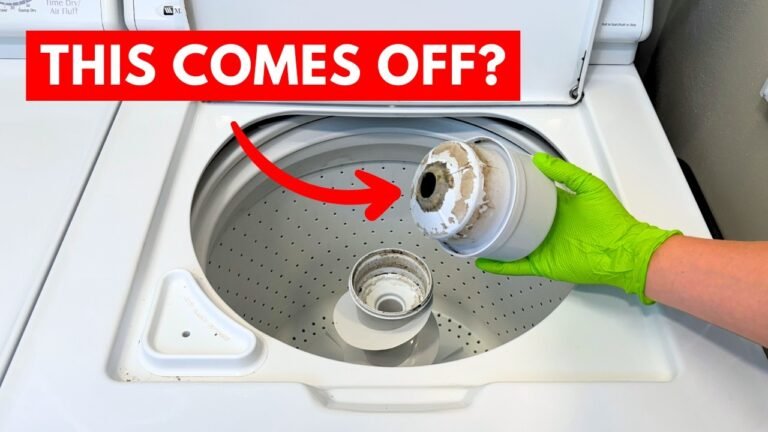
First things first. Where IS this damn thing? For most Samsung top loaders, it’s usually tucked away. Look around the agitator, or sometimes near the drain hose at the back. Check your manual if you’re truly lost. Don’t guess. Look it up. It’s not a treasure hunt, it’s a maintenance chore.
Step 2: Access Granted: Getting to the Filter
This is where it gets damp. You might need to tilt the machine slightly or remove a panel. Some models have a simple clip-on cover. Others are more stubborn. Don’t force anything. Be methodical. I once saw a guy try to pry off a panel with a screwdriver. Snapped the plastic. Had to order a new one. Dumb.

Step 3: The Extraction: Pulling Out the Guts
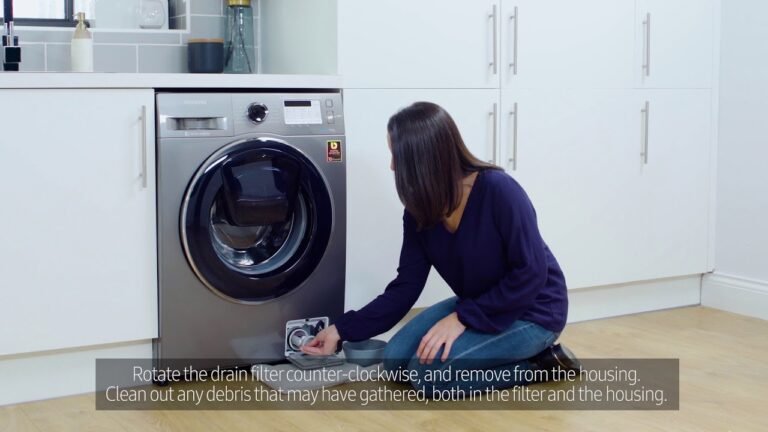
Once you see it, carefully pull the filter housing out. Expect some residual water. Have that towel ready. Seriously, have it ready. This ain’t a clean job. This is where the real funk lives.
Step 4: The Grimy Details: Cleaning the Filter
Now for the main event. Rinse the filter under ruing water. Use an old toothbrush or a soft brush to scrub away any stubborn lint or gunk. You can use a mild detergent if it’s really bad. Just make sure you rinse it thoroughly. No soap residue left behind, okay?
Step 5: Inspecting the Cavity
While the filter’s out, peek inside the housing cavity. See any stray socks? Coins? Any other horrors? Remove them. Gently. You don’t want that stuff clogging things up later.
Watch: How to Clean Your Samsung Washing Machine Filter
Step 6: Reassembly: Putting It Back Together
Slide the clean filter back into its place. Make sure it’s seated properly. No wiggling. It should feel snug. Close up any panels you opened. Secure everything. You did it. Pat yourself on the back. You dirty, dirty boy.
Alternative Cleaning Methods (When All Else Fails)
Sometimes, you just can’t get to the main filter, or maybe it’s just that bad. What then? You pivot. You adapt. You conquer.

The ‘Tub Clean’ Cycle: A Samsung Lifesaver
Many Samsung washers have a ‘Tub Clean’ or ‘Eco Tub Clean’ cycle. This is designed to clean the inside of the drum and hoses. It’s not a direct filter clean, mind you. But it helps flush out debris that might eventually end up in the filter. Use it monthly. It’s a good habit.
Manual Scrub-Down: The Nuclear Option
If your filter is practically fused in place, or if you suspect major blockages, you might need a more hands-on approach. This usually involves discoecting the drain hose and physically flushing it out. Its messy. It’s gross. But sometimes necessary. I had to do this on my sister’s machine; it was packed solid with hair and detergent goo. Took an hour. But it worked. She owes me beer.
Professional Intervention: When You’re In Over Your Head
Look, if you’re uncomfortable with any of these steps, or if you’ve tried and failed, just call a pro. A qualified technician can handle it. It’ll cost you maybe $100-$150, but it beats breaking your machine or living with a stinky laundry room. No shame in knowing your limits.
Troubleshooting Common Filter Issues
Even after a clean, problems can pop up. Here’s what to watch out for.
Filter Won’t Come Out
Patience, grasshopper. Gently wiggle it. Check for any locking tabs you missed. Sometimes, a bit of gentle prying with a plastic tool (not metal!) can help. If it’s really stuck, don’t force it. You risk breaking the housing.
Watch: How To Clean & Maintain Samsung Top Load Washing …
Filter Still Clogged After Cleaning
Did you really clean it? Or did you just give it a quick rinse? Use a brush. Get into the nooks and craies. Check the housing itself for debris. If its still bad, the blockage might be further down the line.
Water Not Draining After Cleaning
This is bad news. It means the blockage isn’t just the filter. It’s likely in the pump or the drain hose itself. You might need to discoect the drain hose and check for obstructions there. Or, call for service. This is beyond a simple filter clean.
Maintenance Schedule: Keep That Filter Clean!
How often should you do this? Depends on usage, but here’s a solid guideline:
| Usage Level | Recommended Filter Cleaning Frequency |
|---|---|
| Light (1-3 loads/week) | Every 3-6 months |
| Moderate (4-7 loads/week) | Every 2-3 months |
| Heavy (8+ loads/week) | Monthly |
This is just a starting point. If you wash a lot of pet bedding or heavily soiled items, you might need to clean it more often. Pay attention to your machine. It’ll tell you when it’s unhappy.
The ‘Eco Tub Clean’ Reminder
Set a calendar reminder. Seriously. For that monthly ‘Eco Tub Clean’ cycle. It’s a small step that makes a big difference. Don’t rely on your memory. It’s faulty. Mine certainly is.
Visual Inspection: A Quick Peek Never Hurt
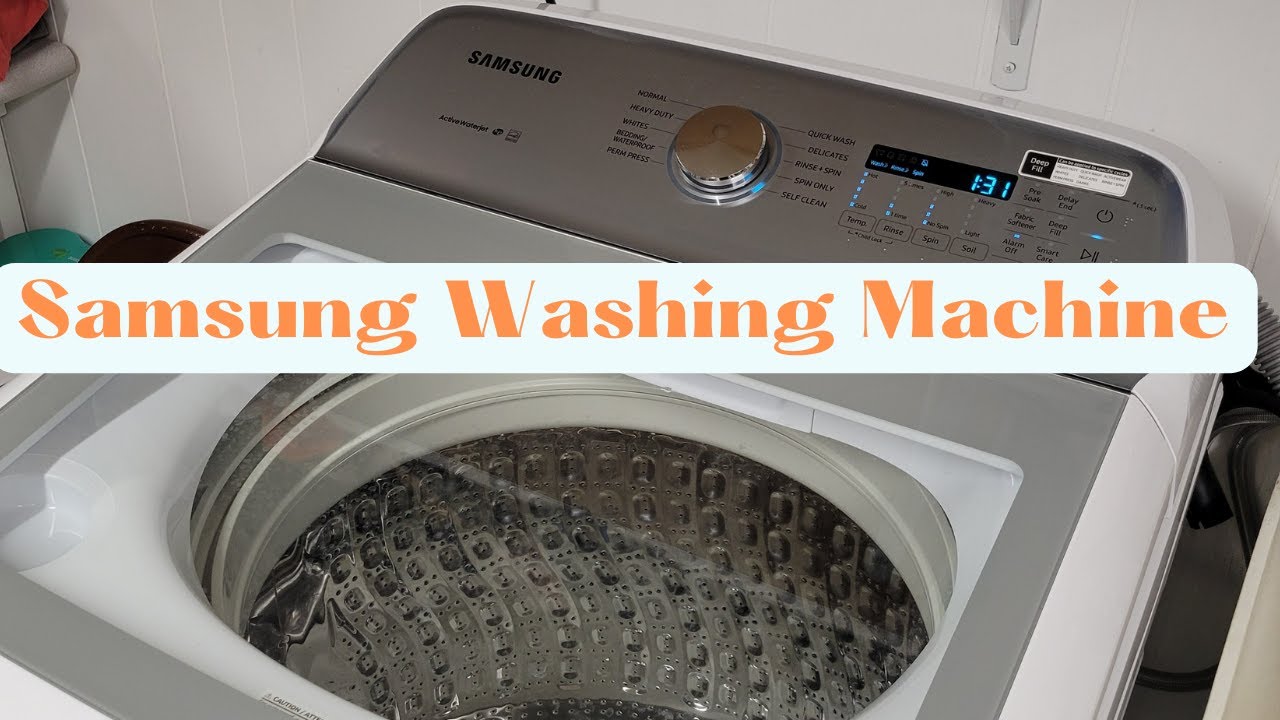
Before starting a load, take a quick glance at the bottom of the drum. See any loose change? Sock remnants? Anything that looks out of place? A quick check can save you future headaches. It takes seconds.
Listen to Your Machine: Odd Noises?
Your washer makes noises. That’s normal. But if you start hearing grinding, rattling, or unusually loud humming during the spin or drain cycles, that’s a red flag. It could mean something’s caught in the filter or pump. Don’t ignore it. Investigate.
Frequently Asked Questions
How to properly clean a top load Samsung washer?
Properly cleaning a top load Samsung washer involves regular filter maintenance (every 2-6 months depending on usage), ruing the ‘Eco Tub Clean’ cycle monthly, wiping down the exterior and lid, and cleaning the detergent dispenser drawer. For a deep clean, ensure the filter is removed and scrubbed, and check the drain hose for blockages.
Can a dirty filter damage my Samsung washer?
Absolutely. A dirty filter restricts water flow and drainage, forcing the pump and motor to work harder. This can lead to premature wear, overheating, and ultimately, component failure, resulting in costly repairs or the need for a new machine. It’s the most common cause of drainage issues and pump damage.
What are the signs of a clogged Samsung washer filter?
Signs include longer wash cycles, water not draining completely, clothes remaining excessively wet after the spin cycle, error codes related to drainage or the pump, unusual noises like grinding or rattling during operation, and a musty odor that persists even after washing.
Should I unplug my Samsung washer before cleaning the filter?
Yes, for safety reasons, always unplug your Samsung washing machine from the power outlet before attempting to access or clean the filter. This prevents any risk of electric shock, especially if you need to move the machine or discoect hoses.
What kind of detergent should I use to clean the filter?
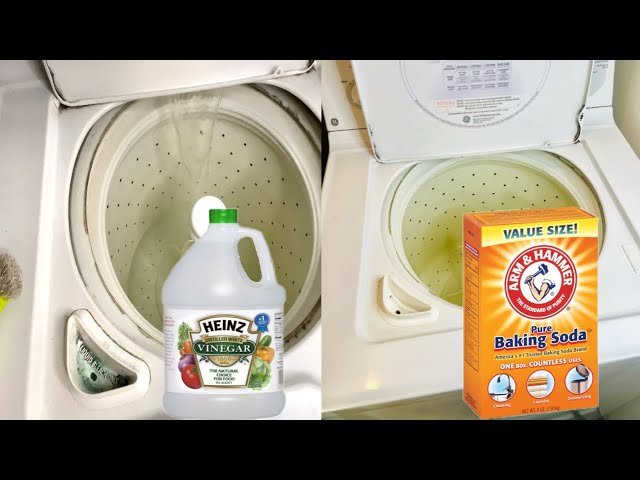
For stubborn grime on the filter itself, a mild household detergent or even a paste of baking soda and water can be effective. Avoid harsh chemicals or abrasive cleaners that could damage the filter material. Always rinse the filter thoroughly with clean water after cleaning to remove any residue.