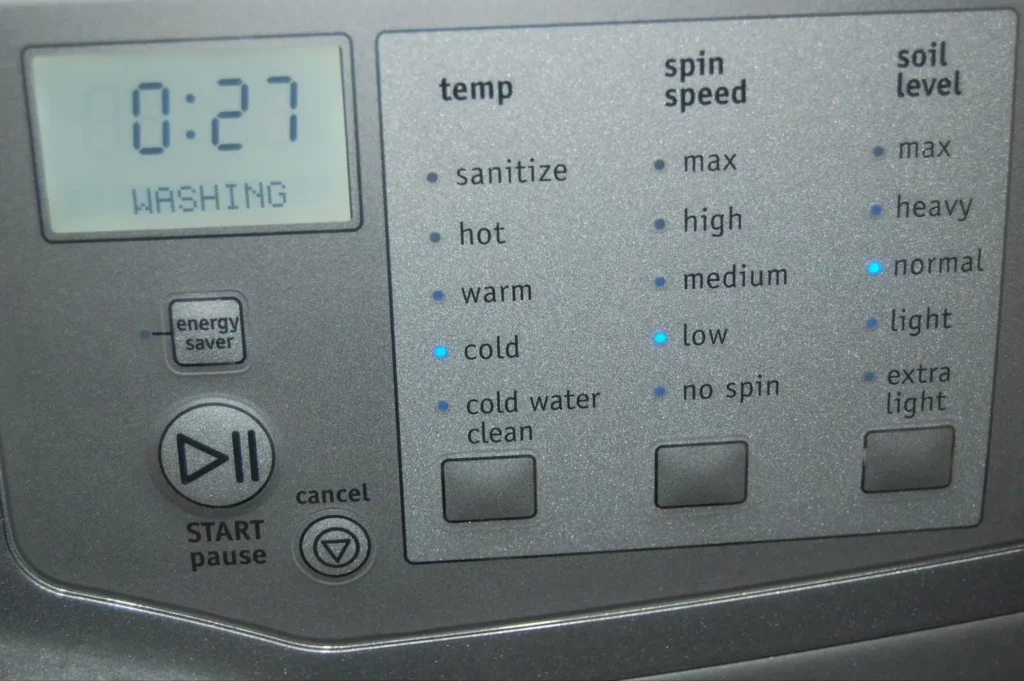
Ever stared at your washing machine’s control panel wondering, what is soil on washing machine? Yeah, you’re not alone—it’s a bit of a laundry mystery until you crack the code.
What Does Soil Level Actually Mean on a Washing Machine?
Picture this: You’re about to wash your favorite jeans, crusty with dirt from a weekend hike. You hop onto the washing machine and notice a setting labeled ‘soil level.’ What the heck do you do with that? The ‘soil level’ on your washer is essentially the setting that tells your machine how dirty your clothes are.
The higher the soil level, the dirtier your laundry is assumed to be. This setting influences how much water, detergent, and agitation (aka washing action) your machine uses during the cycle. If you pick a low soil level for grimy clothes, your washer won’t do enough scrubbing; pick too high for lightly worn stuff, and you’re wasting water and energy.
This might sound mathy, but it’s the secret sauce of getting clothes truly clean without spinning your utility bills out of control. Manufacturers like Maytag and Whirlpool explain soil level as a way to customize the cycle so you neither underwash nor overwash.
Source: www.reddit.com
Why Does Soil Level Matter Beyond Just Dirt?
Think about Tom, who runs a local pizza joint. If he sets his oven temperature wrong, his artisan pies either come out soggy or burnt. Similarly, soil level calibrates your washing machine’s performance.
- Energy usage: Higher soil levels mean longer wash cycles and more power consumption. Managing this setting carefully saves you bucks on your electricity bill.
- Water efficiency: Dirtier clothes call for more rinse water to wash out grime and detergent residue.
- Wear and tear: Overusing soil settings wears out fabric faster. You don’t want your favorite shirt mistreated by an overzealous wash cycle.
How to Use Soil Level Effectively
Forget blindly hitting the default ‘Medium’ button. Instead:
- Light soil: For everyday wear that’s only a bit sweaty or dusty. Use the low or light soil option.
- Medium soil: Day-to-day laundry with average dirt, like office clothes or casual wear.
- Heavy soil: Muddy sports gear, paint-splattered tshirts, or kids’ play clothes. Crank that dial up.
This small habit saves you both headaches and ensures your clothing stays fresh longer.
Washer Cleaning and Maintenance Keys to Keep Soil Level Meaningful
If you never clean the machine itself, soil level settings lose their punch. Imagine baking with a dirty oven—it just spoils the dish. Washing machines need TLC like anything else. Here’s how to keep yours sharp:
- Run a monthly hot water cycle with a washer cleaner or vinegar to remove soap scum and odor.
- Check and clean the detergent drawer—it can get gunky fast.
- Inspect your door seals and wipe away trapped grime regularly, especially for front load washers.
- Leave the door open after washes to air out moisture and prevent mold.
- Schedule a professional check every year if you want top-tier care.
Washing Machine Maintenance Checklist
| Task | Recommended Frequency | Purpose/Benefit |
|---|---|---|
| Monthly hot water cleaning cycle | Once a month | Removes buildup and odors to maintain cleaning efficiency |
| Detergent drawer cleaning | Every 2 weeks | Prevents detergent residue buildup |
| Door seal wipe-down | Weekly | Avoids mold and soap scum accumulation |
| Leave door open post-wash | Every wash | Reduces moisture and mold risk |
| Professional maintenance check | Yearly | Ensures washing machine longevity and performance |
Remove Odor from Washing Machine Like a Pro
Let’s be real—nothing ruins laundry day faster than a moldy, musty washer smell. That smell screams neglect, and it can seriously mess up your fresh laundry vibes. A combination of soil residue and trapped moisture invites bacteria and odor.
Here’s a quick fix: Run an empty cycle with hot water and a cup of white vinegar or a commercial washer cleaner once a month. Follow it with a baking soda rinse to neutralize any lingering smells. Don’t forget to physically clean the seals and the detergent tray.
Front Load Washer Cleaning vs. Top Load Washer Care
Front loaders are fantastic—they clean efficiently and use less water. But they’re prone to more smells and grime traps. The door seal is a notorious culprit: You’ve got to keep it wiped and dry.

Source: www.youtube.com
Top loaders are a bit more forgiving on soil buildup but still need detergent drawer and tub cleaning. The soil level setting works similarly across both types, adapting cycle length and intensity.
Pro tip: Check your owner’s manual for model-specific soil level instructions, so you don’t unintentionally trash the washer.

Source: www.spinchill.com
Soil Level Confusion? Just Keep It Simple
In the end, soil on washing machines isn’t some cryptic laundry witchcraft. It’s your friend that tells the washer just how hard to work. If you ignore it, you risk overloading your machine’s efforts or shortchanging your clothes (and wallet). Embrace soil levels with a smart eye. Tune your washer settings like Tom would tune his oven—sharply, purposefully, and without apologies.
And remember: clean machines make the best laundry days. Keep your machine fresh, your settings full-informed, and your clothes coming out clean and odor-free every single time.
Need more insider tips? Check out the detailed wash cycle explanation by Landers Appliance or this handy soil level meaning and its impact on washing by Mozi Wash.

Tyrone Jacobs is passionate about reducing household carbon footprints without sacrificing cleanliness. Her articles focus on high-efficiency (HE) machines, low-water washing techniques, and DIY natural machine-cleaning solutions. If you want to lower your utility bills and keep harsh chemicals out of your drain hoses, Tyrone Jacobs is your go-to expert.