
Understanding Bulky Items in Washing Machines
Bulky items refer to large or heavy laundry pieces. These include blankets, comforters, quilts, mattress covers, and sleeping bags. They are thick and take up more space in the washing machine drum. Because of their size and weight, they need special washing care to avoid damage to the machine or the fabric.
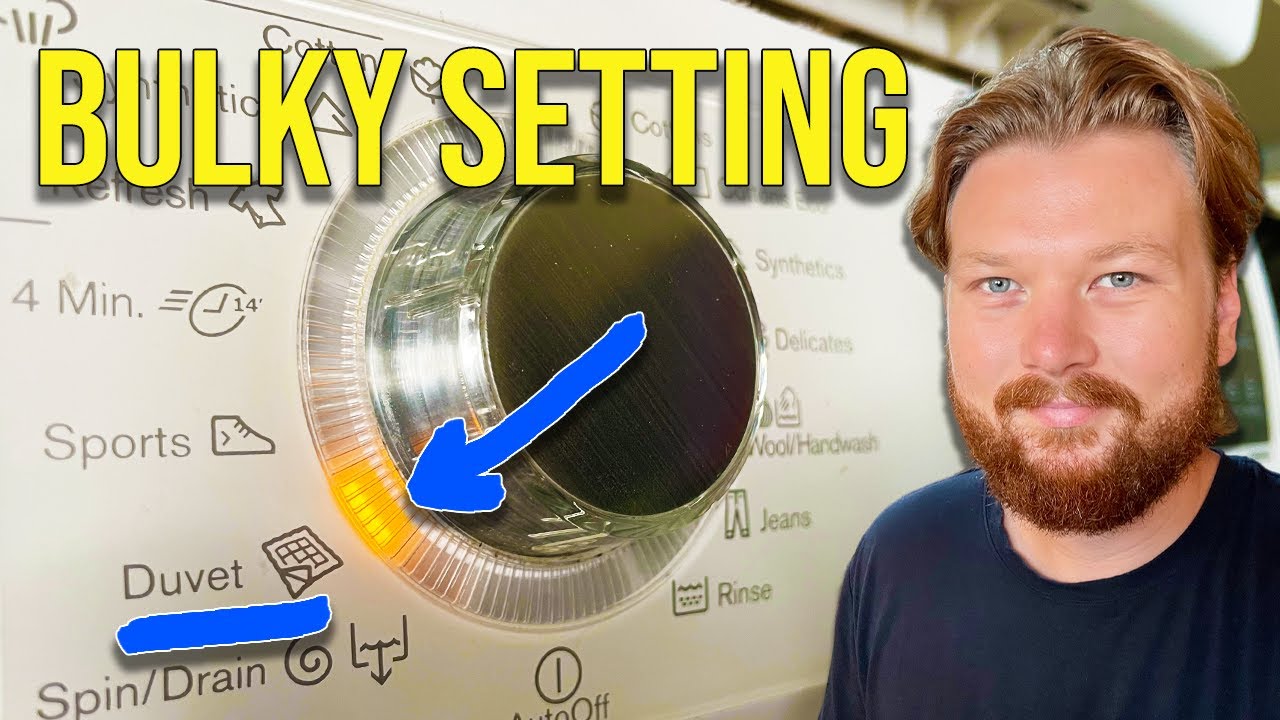
Washing bulky blankets or quilts requires a washing machine with enough capacity. The washing machine capacity is an important factor to check before starting a wash cycle. If the load is too big, the machine may not clean properly or could get damaged. For a deeper understanding of this mechanic, analyzing resources on bulky items setting on washing machines provides excellent foundational context.
Large laundry items often require special wash cycles. The washing machine cycles for bulky items are designed to handle heavy fabrics gently. These cycles use more water and longer wash times to clean deep inside the fabric. They also have slower spin speeds to avoid unbalancing the machine.
Machine Capacity and Drum Size
The washing machine drum size matters a lot when washing bulky fabric care items. A larger drum allows bulky blankets and mattress covers to move freely. This ensures they are washed evenly without stressing the machine. Smaller drums may cause the load to clump together, creating an unbalanced load.
Checking the laundry machine load size before washing is important. Overloading can cause poor cleaning and damage. Industry consensus indicates that load distribution and weight tolerance are key to machine washing heavy items safely. Only fill the machine to the recommended capacity for bulky laundry.
Consider this when choosing a washing machine or planning your laundry routine. Machines built for heavy duty washing usually have bigger drums and stronger motors. This helps them handle large towels and oversized clothes without trouble.
:max_bytes(150000):strip_icc()/how-to-select-the-correct-cycle-2145866_FINAL-10d1b95640284e0a8d01d4523455c7ee-25c018a4c0304212a13315b7ab181e33.png "How to Select Washer Settings for Clothes and Towels (Figure)")
| Washing Machine Type | Drum Size (Liters) | Recommended Load for Bulky Items |
|---|---|---|
| Top Loader | 50-70 | Up to 7 kg |
| Front Loader | 60-80 | Up to 9 kg |
| High Capacity Front Loader | 80-120+ | Up to 12 kg or more |
When washing bulky blankets, a high capacity front loader is often the best choice. It gives enough room for the blanket to spread and clean well.
Washing Bulky Blankets and Comforters
Washing comforters and quilts requires care. First, check the washing instructions on the label. Some comforters can be machine washed, but others may need dry cleaning. Use a heavy duty washing cycle to handle the weight and fabric type.
Detergent usage is another key factor. Use the right amount of laundry detergent suitable for large laundry items. Too much detergent can leave residue, while too little may not clean well. Also, adjust water level to high so the bulky item gets fully soaked and rinsed.
Dryer compatibility is important after washing. Not all bulky items dry well in a machine dryer. Some may need air drying or a low heat cycle. To keep your washing machine efficient and extend its life, learn how to clean whirlpool duet washing machine. Proper maintenance helps the machine handle heavy fabrics better.
Laundry Tips for Bulky Items
Here are some expert tips for washing bulky laundry:
- ✅ Do not overload the washing machine drum.
- ✅ Balance the load to prevent shaking during spin.
- ✅ Use a gentle or bulky items cycle for heavy fabrics.
- ✅ Choose the right detergent and amount based on fabric type.
- ✅ Set water temperature as per washing instructions.
- ✅ Check dryer compatibility before drying bulky items.
Following these tips helps you keep your bulky fabric care items clean and fresh while protecting your washing machine. For example, washing oversized clothes like sleeping bags needs balanced load and correct cycle selection to avoid damage.
Load balancing is crucial. If the washing machine detects an unbalanced load, it may stop or make loud noises. Spread bulky items evenly around the drum. This helps the machine spin smoothly and clean more efficiently.
| Step | Action |
|---|---|
| 1 | Check garment care label |
| 2 | Use bulky or heavy duty cycle |
| 3 | Distribute items evenly in drum |
| 4 | Use appropriate detergent amount |
| 5 | Select water temperature |
| 6 | Dry according to fabric care |
These steps ensure your bulky laundry washes well and lasts longer.
Common Bulky Laundry Load Types
Bulky laundry includes various items:
- Heavy blankets and weighted blankets
- Comforters and quilts
- Sleeping bags
- Large towels and bath mats
- Mattress covers and bed pads
Each type needs slightly different care. For example, weighted blankets require gentle cycles with cold water and low spin speed. Large towels can tolerate hotter water and higher spin speeds.
Detailed washing instructions vary by fabric type. Cotton heavy fabrics differ from synthetic materials. Always follow care labels to avoid shrinking or fabric damage.
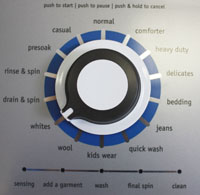
Washing large towels often uses a high capacity drum with a normal or bulky cycle. This helps remove dirt deeply without damaging fibers.
| Item | Recommended Wash Cycle | Water Temperature |
|---|---|---|
| Weighted Blanket | Delicate / Bulky | Cold |
| Comforter | Bulky / Heavy Duty | Warm |
| Sleeping Bag | Bulky / Gentle | Cold |
| Large Towels | Normal / Bulky | Hot |
| Mattress Cover | Bulky / Heavy Duty | Warm |
Conclusion
Understanding bulky items in washing machines is key for proper laundry care. These items are large, heavy, or thick fabrics that need special wash cycles and machine capacity. Proper load balancing and detergent use keep both your laundry and machine safe.
Choosing the right washing machine with suitable drum size and capacity helps handle bulky fabric care efficiently. Always follow washing instructions for each item type and use the right wash cycle. This protects your clothes and keeps your washing machine working well for years.
For more tips on fabric care, consider learning can you wash leather in the washing machine. Proper knowledge helps you wash all types of fabrics with confidence.
With these insights, you can tackle washing bulky blankets, quilts, and heavy fabrics safely and easily. Your laundry routine will be smoother, and your bulky items will stay fresh and clean longer.
Frequently Asked Questions
What qualifies as bulky items in a washing machine?
Bulky items are large or heavy laundry pieces like blankets, comforters, quilts, mattress covers, and sleeping bags that need special care in washing machines.
Can all washing machines handle bulky items?
Not all machines can handle bulky items well. Machines with larger drum sizes and high capacity are better suited for washing bulky blankets and heavy fabrics.
What is the best wash cycle for bulky items?
Bulky or heavy duty washing cycles are best. These cycles use more water, slower spin speeds, and longer wash times to clean large laundry items safely.
How do I balance a bulky laundry load?
Load balancing means distributing weight evenly inside the washing machine drum. This prevents shaking and damage during the spin cycle.
Are there special detergents for bulky fabric care?
While regular laundry detergent works, some detergents are designed for heavy fabrics or large loads and help maintain fabric softness and cleanliness.

Roger Jacobs is a seasoned appliance expert with over 15 years of experience in the washing machine industry. He specializes in product reviews, energy efficiency, and innovative washing technologies, providing users with trustworthy insights to make informed purchasing decisions.