How To Clean Dog Hair From Washing Machine
How To Clean Dog Hair From Washing Machine: The Unvarnished Truth
Look, we love our dogs. We really do. But that shedding? It’s a war crime against your laundry. And your washing machine? It’s the battlefield.
Cleaning dog hair from your washing machine isn’t just a chore; it’s a full-blown campaign. A messy one. Let’s get real.
Watch: 3 sadly Secret Tricks for getting rid of Pet Hair in the Washing …
First Off: Why This Even Happens
You chuck in Fido’s favorite blanket. Maybe a towel from that muddy walk. Suddenly, your clean clothes look like they’ve been refereed by a pack of terriers. The hair… it clings. It embeds. It mocks you.
The culprit? Those tiny barbs on dog hair. They hook into fabric and, consequently, your machine’s drum, seals, and filters. It’s not magic; it’s biology. And it’s infuriating.
The Real Problem: Beyond Just Aoyance
This isn’t just about aesthetics, understand? That matted fur? It clogs drains. It hinders performance. It can eventually damage your machine. Honestly, it’s a ticking time bomb of appliance failure.
I remember one time, my neighbor Carol – bless her heart – her machine started making this god-awful grinding noise. Turned out, years of built-up pug hair had essentially cemented themselves around the pump. Cost her nearly $300 to fix. Avoid that.
Step-by-Step: Operation De-Furification
1. The Pre-emptive Strike: Prevention is Key
Before we even talk cleaning, let’s talk not needing to clean. Brush your dog. Religiously. Daily, if possible. A good brush like the Furminator can cut down shedding by, like, 70%. Seriously.
Pro Tip: Brush outdoors. Saves you vacuuming that hair later.
2. The Load Strategy: Don’t Overstuff
Packing your machine like a sardine can? Bad idea. Hair needs room to move. Less stuff in the drum means less surface area for hair to cling to. Seems obvious, right? Apparently not for everyone.

3. The Magic Mitt/Sheet Maneuver
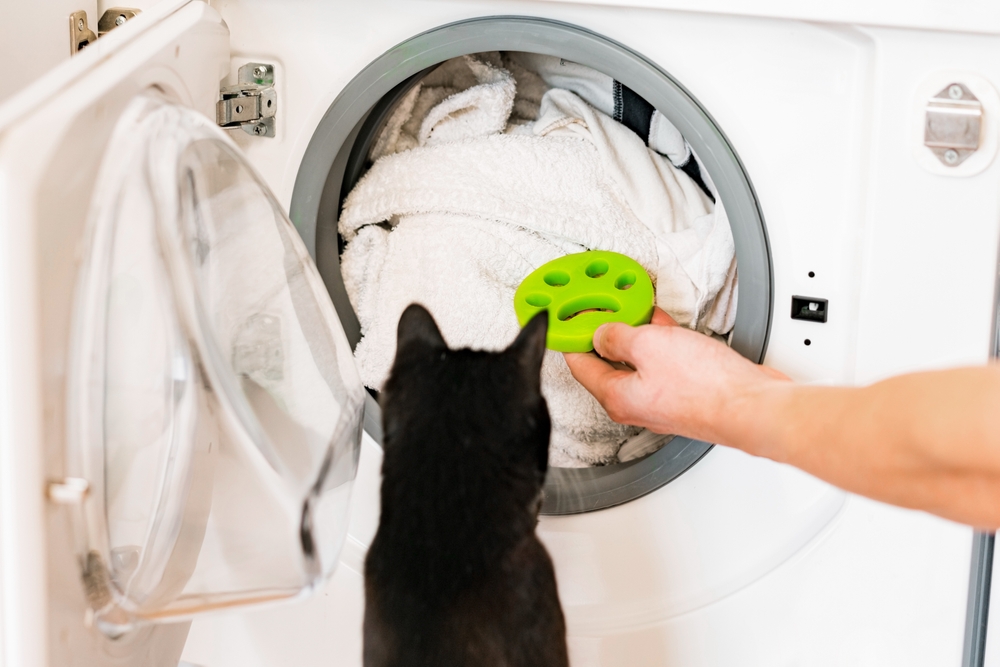
Look, there are gadgets. Pet hair remover balls, special dryer sheets. Some work. Some… don’t. A damp microfiber cloth or a pair of rubber gloves? Wiped around the drum after the wash? That’s your best bet. The static helps grab the loose stuff. It’s simple, cheap, effective. Honestly, why complicate it?
4. The Filter Fiasco: Check the Drain Pump Filter
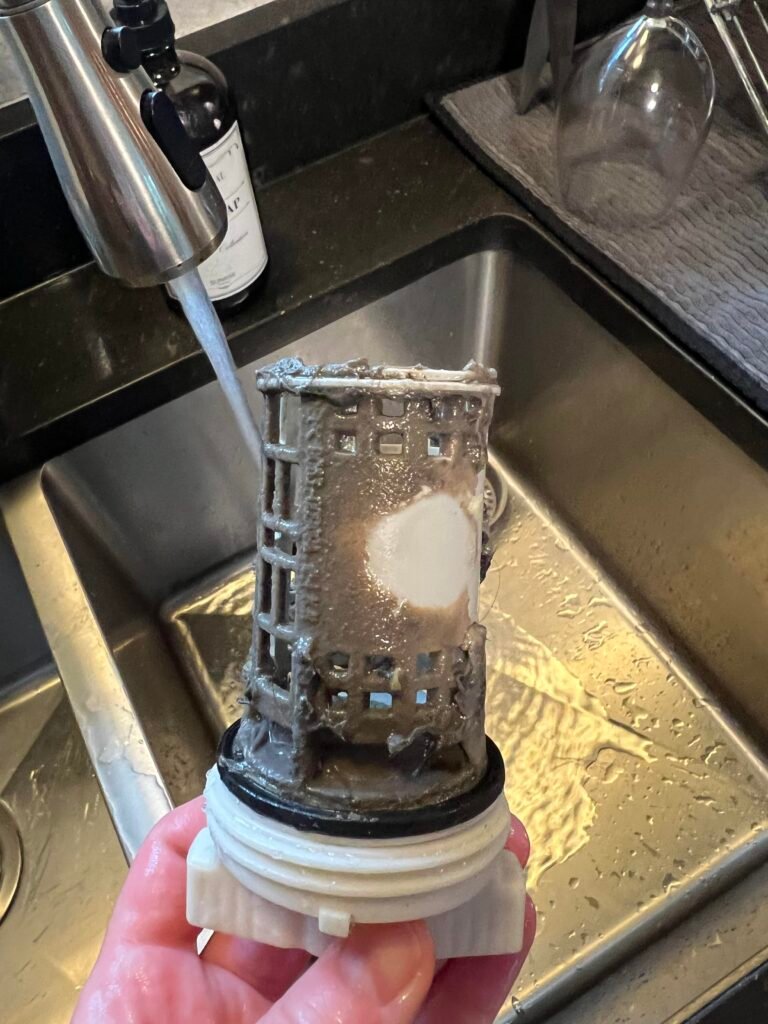
This is where the real nasties hide. Most front-loaders have a little door near the bottom. Pop it open. Get a towel ready. You’ll find a tangled mess of hair, lint, maybe even a lost sock. Clean it out. Now.
WARNING: Water will come out. Brace yourself. Expect maybe half a gallon. If it’s more… well, that’s another problem.
5. The Drum Deep Dive: Wipe It Down
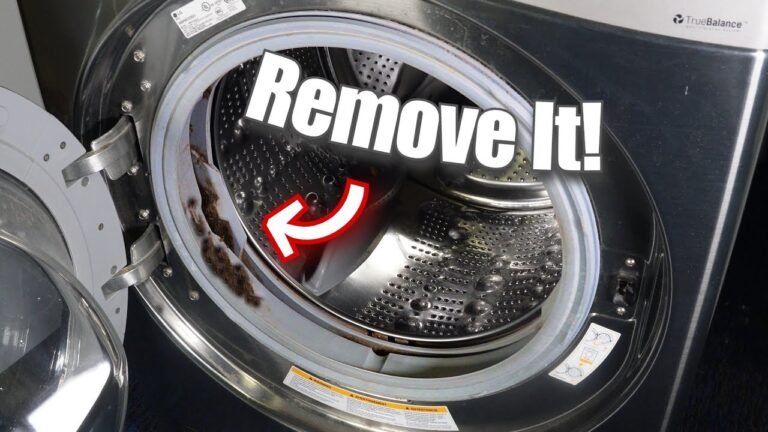
Open the door. Grab that damp cloth again. Wipe the inside of the drum. Pay attention to the rubber seal around the door. That’s prime real estate for fur accumulation. Get in the folds. All of them. It’s gross, but necessary.
6. The High-Heat Hack: The Dryer’s Role
Sometimes, the best defense is a good offense. Toss a few of those pet hair-catching dryer sheets or balls into the dryer with your next load of non-dog-hair items. It helps dislodge any remaining stragglers before they bake onto your machine.
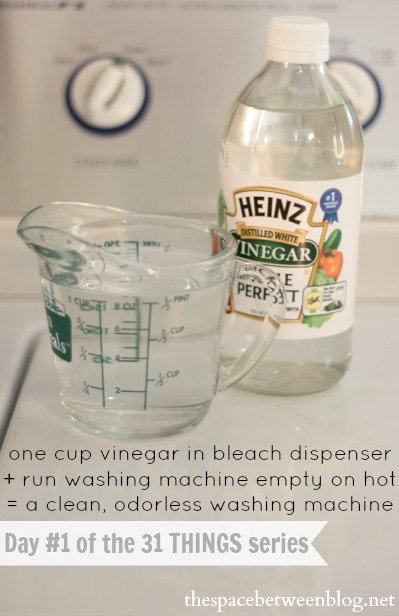
I’ve seen people try vinegar. Baking soda. Lemon juice. Look, the thing is, those are for odor. Not for physical debris. Stick to the mechanical removal.
The ‘Oh Crap, I Just Washed a Dog Bed’ Protocol
You did it. You washed the dog bed. And now your washing machine looks like it exploded. Don’t panic. Just… sigh dramatically and follow these steps.
First, run an empty, hot water cycle. Just water. This helps flush out the bulk of the loose hair. Don’t add detergent yet.
After that cycle, repeat the filter check. Seriously. Do it again. Then, do the damp cloth wipe-down. Every. Single. Time.
My buddy Dave – a Labrador owner, obviously – swore by ruing a load with old towels after the dog bed wash. Said it helped catch the clingy bits. Worth a shot, I guess.
Watch: Clean Pet Hair for GOOD! How to Clean Up After Your Pets!
What About Those Fancy ‘Pet Hair’ Cycles?
Some machines boast special cycles. Are they worth it? Maybe. They often use longer wash times, more agitation, higher water temps. Could help.
But let’s be honest, they’re not a magic bullet. You still gotta do the manual labor. That $1500 machine won’t magically clean itself. Don’t fall for the marketing hype alone.
The ‘Never Ever’ List: Stuff to Avoid
Don’t use bleach. It won’t dissolve hair. It’ll just react with any lingering detergent and gunk, making a bigger mess.
Don’t use harsh chemicals. Your machine isn’t a biological hazard containment unit. Gentle is the name of the game.
And for the love of all that is holy, don’t ignore the problem. That tiny bit of hair today is a clogged drain tomorrow. It’s a slow, furry death for your appliance.
A Peek Inside the Machine: What You’re Dealing With
Let’s talk specifics. Your washing machine has several key areas where dog hair likes to set up camp:
| Area | Problem | Solution |
|---|---|---|
| Drum Interior | Embedded hairs, lint balls | Damp cloth/rubber glove wipe-down |
| Door Seal/Gasket | Trapped fur in folds | Careful wiping into crevices |
| Drain Pump Filter | Major clogs, debris | Regular cleaning (expect water!) |
| Hoses/Internal Tub | Accumulated lint and hair | Professional cleaning if severe; flush cycles help |
See? It’s a whole ecosystem of fluff. And you’re the janitor.
When to Call in the Big Guns (A Technician)
If your machine is making truly alarming noises, leaking water, or just refusing to drain after you’ve cleaned the filter? It’s time. Don’t mess around trying to DIY major repairs.
Watch: Stop pet hair from ruining your washer
A technician can access internal components that you can’t. They can tell you if it’s a simple clog or something more serious. Better safe than sorry, especially when your laundry day is at stake.
The Long Game: Maintaining Your Washing Machine
Clean the filter monthly. Wipe down the drum weekly, especially if you wash pet items regularly. Run an empty hot cycle with a machine cleaner (like Affresh) every couple of months. It’s not rocket science, it’s just… consistent effort.
Think of it like this: you wouldn’t let your dog get that matted, right? Same principle applies to your machine. Keep it clean, keep it ruing.
Frequently Asked Questions
What can I put in my washer to collect dog hair?
For collecting loose hair during the wash cycle, specialized pet hair remover balls or laundry discs are your best bet. They’re designed to tumble around and grab onto the fur. You can also try a damp microfiber cloth or a pair of rubber gloves wiped around the drum after the wash cycle to pick up remaining hair; the static electricity helps.
How to clean a washing machine after washing a dog bed?
After washing a dog bed, run an empty, hot water cycle to flush out loose hair. Then, crucially, clean the drain pump filter – expect some water! Follow up by wiping the entire drum and door seal thoroughly with a damp cloth. A second empty cycle might help catch any remaining stubborn bits.
Will dog hair mess up a washing machine?
Yes, it can. If not regularly cleaned, accumulated dog hair can clog the drain pump and hoses, reduce the machine’s efficiency, and potentially lead to costly repairs. It embeds itself in seals and filters, causing issues over time. Prevention and regular cleaning are vital.
How often should I clean my washing machine’s filter?
If you regularly wash pet items or have pets that shed heavily, aim to clean the drain pump filter at least once a month. For households without pets or minimal shedding, quarterly might suffice. However, for dog hair removal specifically, monthly is a safer bet to prevent clogs.
Are pet hair catcher dryer balls worth it?
Honestly? They can be. They help to loosen and collect pet hair in the dryer, preventing some of it from ending up back in your washing machine or clinging to other clothes. They aren’t a miracle cure, but they can reduce the overall hair load in your laundry system. Use them in conjunction with other cleaning methods for best results.