How To Clean Top Loading Washing Machine
Don’t Be Gross. Clean Your Damn Top Loader. Now.
Look, you bought a top-loading washing machine. Good for you. Maybe you’re old school. Maybe you’re budget-conscious. Doesn’t matter. The thing is, it gets FILTHY. Grease. Gunk. Mildew. Smells like a gym sock convention.

You think just because it washes clothes, it cleans itself? Ha! Dream on, buttercup. This isn’t some self-cleaning oven. This is a grime magnet. And if you don’t learn how to clean top loading washing machine properly, you’re just washing your clothes in sewage.
Honestly, I saw a top loader once. Back in ’98. Smelled like a locker room after a 10-iing game in August. The owner hadn’t touched it in years. Just kept chucking in laundry. It was a biohazard. Kids these days don’t know. They think everything comes clean. It doesn’t.

Why Bother? Your Clothes Stink, Duh.

Simple. Stinky clothes. You wash your work shirts, they come out smelling like defeat. Your towels? Forget about them. Might as well rub yourself down with a wet, fuzzy rat.
It’s not just the smell. This gunk builds up. It coats the drum. It clogs the hoses. Your machine works harder. Uses more power. Breaks down faster. Less than ideal, right?
And the residue? It’s nasty. It can even transfer to your clean laundry. Gross. Imagine putting on a fresh shirt and it smells like… well, like your dirty washing machine. No thanks.
The Enemy: What’s Lurking in Your Machine?
It’s a cocktail of horrors. Detergent residue. Fabric softener goo. Body oils. Dirt. Lint. Hair. God, the hair. And then there’s the mildew. That dark, fuzzy, musty menace.
Especially in the lid seal. That rubber gasket? A breeding ground. Seen them go black. Fuzzy. Like some kind of alien growth. Nasty business.
The agitator. That central post? Collects lint like a magnet. Then it gets wet. Starts to smell. Mold loves it there. It’s a party zone for microscopic nasties.
The Drum’s Dirty Secret
Inside the drum itself, invisible layers of scum form. They stick to the metal. They trap odors. Every wash cycle, you’re basically just redistributing the grime.
To be fair, some of this is inevitable. Daily life. But ignoring it? That’s pure laziness. And it costs you. More cleaning products for your clothes later. Repairs. Maybe even a new machine before its time.
The Arsenal: What You Need to Fight Back
Don’t overthink this. You don’t need a hazmat suit. But you do need a few things.
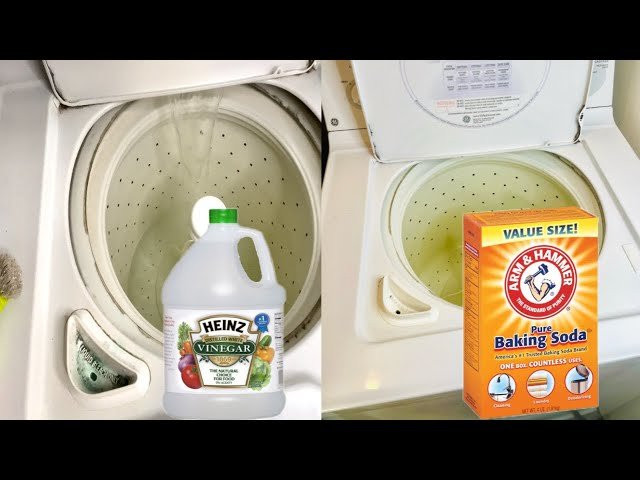
Vinegar: The Cheapskate’s Friend
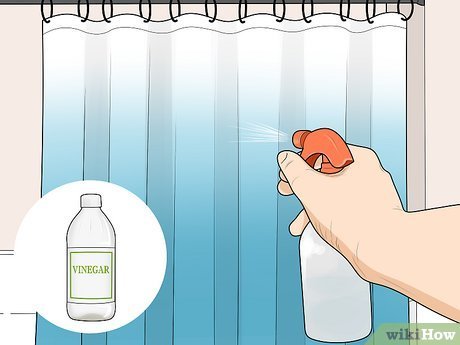
White vinegar. Cheap. Effective. Acidic enough to break down soap scum and kill some bacteria. Don’t use the fancy balsamic stuff, obviously.
Baking Soda: The Deodorizer
Baking soda. Your grandmother probably used it for everything. It’s a mild abrasive and a great deodorizer. It neutralizes odors. Helps scrub away the grime.
Bleach: The Nuclear Option (Use Sparingly)
Chlorine bleach. Kills everything. Mold, mildew, bacteria. The works. But it’s harsh. Can degrade rubber parts over time. Use it when you have a serious mold problem. Or once every few months.
Microfiber Cloths & Old Toothbrush
For scrubbing. Get into the nooks and craies. The toothbrush is key for the agitator base and dispenser drawers. Don’t use your good ones.
Gloves (Optional, But Smart)
If you’re using bleach, wear gloves. Protect your skin. Honestly, even with vinegar, it’s not a bad idea. Protect those hands.
The Battle Plan: How To Clean Top Loading Washing Machine – Step-by-Step
Alright, let’s get this done. No excuses. We’re going to hit this thing hard.
Step 1: Prep the Battlefield
Empty the machine. All of it. No stray socks hiding in the corners. Check the lint filter. Pull it out. Clean it. You’d be amazed how much fluff lives there.
Some machines have a small filter near the pump. Check your manual. If yours does, clear that too. This is important. If it’s clogged, your machine won’t drain right.
Step 2: The Pre-Soak/Scrub (The Grimy Bits)
Mix some vinegar and water. Maybe 1:1 ratio. Or just use straight vinegar. Dip your toothbrush or a cloth in it.
Scrub the agitator base. Get under the lip. Go around the inside of the drum. Pay attention to any visible stains or mold spots.
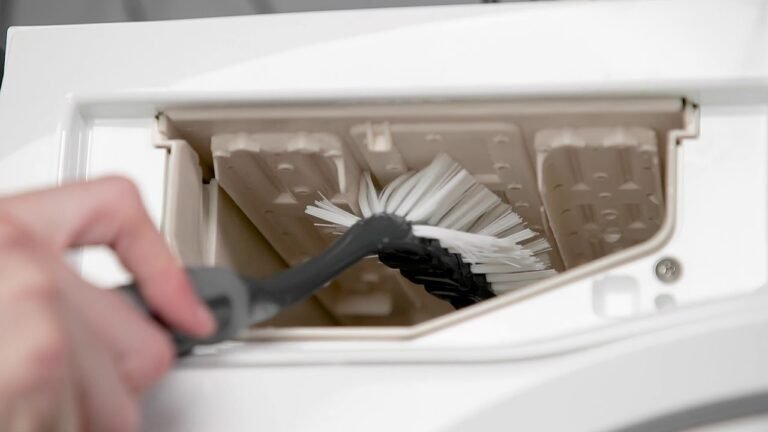
Don’t forget the dispenser drawers. Pull them out if you can. Scrub them clean. Put them back. If they don’t pull out, just clean them in place.
Clean the lid. Especially the seal. Get all the way around. This is where the funk breeds. Use your vinegar solution.
Step 3: The Deep Clean Cycle(s)
This is where the magic (or the harsh chemicals) happen.
Option A: The Vinegar & Baking Soda Combo (Recommended First Try)
Add about 2 cups of white vinegar directly into the drum. Or pour it into the detergent dispenser.
Then, sprinkle about half a cup of baking soda directly into the drum.
Run the machine on the hottest water setting possible. Use the ‘Clean Washer’ cycle if you have one. If not, a ‘Heavy Duty’ or ‘Normal’ cycle with hot water will do.
Let it run a full cycle. Don’t stop it. Let it agitate, fill, drain, spin. Get everything working.
Option B: The Bleach Bomb (For Serious Offenders)
Only do this if the vinegar/baking soda didn’t cut it. Or if you have visible black mold.
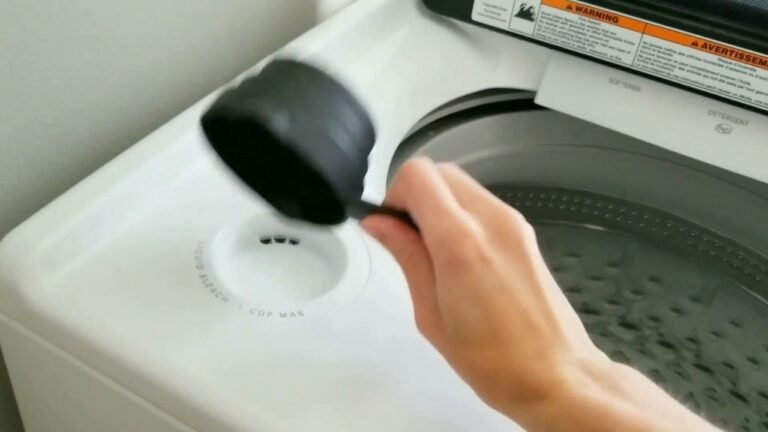
Add 1 cup of chlorine bleach to the bleach dispenser. Or directly into the drum if you don’t have one.
Run the machine again on the hottest water setting. A full cycle. Let it rip.
IMPORTANT: NEVER mix bleach and vinegar. That creates toxic chlorine gas. You’ll end up in the ER. Seriously. Bad news.
Option C: The Commercial Cleaner Route
Stuff like Affresh or Tide Washing Machine Cleaner. They work. They’re convenient. Usually a tablet or powder you toss in.
Follow the package directions. Generally, you toss it in and run a hot cycle. Easy peasy.
I used Affresh once on my buddy’s machine. Thing was rank. Came out smelling okay. But honestly, a bit pricey for what it is. Vinegar and baking soda work fine if you’re not lazy.
Step 4: The Rinse Cycle (Get the Residue Out)
After the main cleaning cycle, run another hot water cycle. Just plain water. This ensures all the vinegar, baking soda, or bleach residue is completely flushed out.
You don’t want your next load of whites smelling like a swimming pool or a science experiment.
Step 5: Wipe Down and Air Out
Once the final rinse is done, open the lid. Let the machine air out completely. Don’t close it.
Use a clean cloth to wipe down the inside of the drum. Get any loose gunk. Wipe the dispenser drawers again. Wipe the lid seal.
Leave the lid open for a few hours. Or overnight. Let it dry out completely. Moisture breeds mold. We’re trying to stop that.
Maintenance: Keep the Beast Tamed
Cleaning your top loader isn’t a one-and-done deal. You gotta keep up with it.
Monthly Mayhem Prevention
Once a month, run a hot water cycle with about a cup of vinegar. That’s it. Keeps the buildup down. Smells fresh.
Leave the lid open after every use. Seriously. Just crack it. Lets the moisture escape. Prevents mildew.
Detergent Discipline
Use the right amount of HE (High-Efficiency) detergent. Too much creates too much suds. Too many suds mean residue. Residue means gunk. You get the picture.
Avoid fabric softener. It’s mostly silicone and oils. Leaves a coating. Use wool dryer balls instead. Better for your clothes, your machine, and the planet.
The Manual is Your Friend
Yes, I know. Manuals are boring. But yours might have specific cleaning instructions. Or tell you where that sneaky drain pump filter is. Worth a look.
Table of Cleaning Agents Comparison
| Agent | Pros | Cons | Best For |
|---|---|---|---|
| White Vinegar | Cheap, effective degreaser, deodorizer, mild disinfectant | Can have a strong smell temporarily, not a heavy-duty disinfectant | Regular cleaning, general maintenance, soap scum |
| Baking Soda | Mild abrasive, great deodorizer, cheap | Not a disinfectant, can leave a powdery residue if not rinsed well | Scrubbing, odor elimination |
| Chlorine Bleach | Powerful disinfectant, kills mold and mildew effectively | Harsh, can damage rubber parts over time, dangerous if mixed with other chemicals | Severe mold/mildew issues, deep sanitization |
| Commercial Cleaners (e.g., Affresh) | Convenient, formulated for washers, often effective | More expensive, proprietary ingredients | Convenience, specific cleaning formulations |
Conclusion: Stop Being Lazy, Start Cleaning
Seriously. It’s not rocket science. Your top-loading washing machine needs a spa day now and then. Or, you know, just a good scrub-down.
Do this once a month. Maybe twice if you’re a real slob. Your clothes will thank you. Your nose will thank you. And your wallet will thank you when the machine doesn’t die prematurely.
Now go clean it. Stop reading about it. Go do it.
Frequently Asked Questions
How do I clean the inside of my top-loader washing machine?
To clean the inside of your top-loader, you’ll typically run a cleaning cycle with hot water. Common methods involve adding white vinegar and baking soda directly into the drum, or using a cup of chlorine bleach (but never mix bleach and vinegar). Select the hottest water setting or a ‘Clean Washer’ cycle. Afterwards, run a plain hot water rinse cycle and wipe down the interior, including the lid seal and dispenser drawers, and leave the lid open to air dry.
What to put in a washing machine to clean it top-loader?
For cleaning a top-loader, you can use household items like white vinegar (about 2 cups) and baking soda (about 1/2 cup), often used together. Alternatively, chlorine bleach (about 1 cup) can be used for tougher jobs, but never mix it with vinegar. Commercial washing machine cleaners, like tablets or powders from brands such as Affresh or Tide, are also effective and specifically formulated for this purpose.
How often should I clean my top-loading washing machine?
You should aim to clean your top-loading washing machine at least once a month. If you notice any odors or see visible grime build-up, you might need to clean it more frequently. Regular monthly cleaning helps prevent serious gunk accumulation and keeps your machine ruing efficiently and smelling fresh.
Can I use regular detergent to clean my washing machine?
No, you should not use regular laundry detergent to clean your washing machine. Detergent is designed to lift dirt and oils from fabrics, and using it to clean the machine itself can lead to excessive suds and residue build-up within the machine’s components, causing more problems than it solves. Specialized cleaning agents like vinegar, baking soda, bleach, or commercial cleaners are designed to break down the specific types of grime found inside washing machines.
What are the signs my washing machine needs cleaning?
Signs that your top-loading washing machine needs cleaning include a musty or sour smell emanating from the machine itself or transferred to your laundry, visible mold or mildew around the lid seal or inside the drum, residue or grime buildup in the dispenser drawers, or a decrease in cleaning performance where clothes don’t seem as clean as they used to. If your machine is making unusual noises or not draining properly, it could also be due to internal build-up, though this might indicate a more serious issue.
Watch: How To Clean Your Top Load Washing Machine