
Understanding Why Your Washer Won’t Spin
When a washing machine stops spinning, it affects your laundry routine badly. The spin cycle removes water from clothes by spinning the tub fast. If it fails, clothes stay wet and heavy.
Common reasons for a washer spin failure include motor problems, lid switch malfunction, and unbalanced loads. Knowing these helps you fix issues faster and avoid costly repairs.
For a deeper understanding of this mechanic, analyzing resources on washer spin cycle problems provides excellent foundational context.
Also, maintaining your washer well can prevent many spin cycle troubles. Learn how to clean Electrolux washing machine to keep the drum and parts in top shape.
Common Causes of Washer Spin Failure
The washer’s spin cycle depends on many parts working well. Problems with these parts often stop the spin cycle from working.
Here are a few key causes:
- ✅ Motor coupling breaks, cutting power to the tub.
- ✅ Lid switch fails, stopping the spin to keep you safe.
- ✅ Drive belt wears out or slips off, so the drum can’t spin.
- ✅ Drain pump clogs or breaks, causing water to stay inside.
- ✅ Unbalanced load sensor detects a bad load and prevents spinning.
Understanding these helps you know where to look when your washer won’t spin.
If you want tips on keeping the washer drum clean and working well, check how to clean my front loader washing machine.
Step-by-Step Troubleshooting Guide 🚀
Fixing your washer can be simple if you follow these steps carefully. Always unplug the machine before working on it.
Follow this guide:
- Check the lid switch: Open and close the lid firmly. If the washer won’t spin with the lid closed, the switch may fail.
- Inspect the drive belt: Remove the back panel and see if the belt is loose or broken.
- Look for motor issues: Listen for humming sounds; a broken motor coupling may cause it.
- Examine the drain pump: Check for clogs or damage that stop water from draining.
- Balance the load: Uneven clothes can stop the spin. Rearrange clothes evenly.
Performing these checks can often restore the spinning function without calling a repair service.
For more detailed repair tips, see how to clean washing machine drain hose without removing.
| Issue | Cause | Fix |
|---|---|---|
| Washer won’t spin | Broken lid switch | Replace lid switch |
| Washer tub not spinning | Drive belt worn out | Replace belt |
| Washer stops mid-spin | Unbalanced load | Rearrange clothes evenly |
| Water not draining | Clogged drain pump | Clean or replace pump |
Some washers show error codes for problems. Refer to your manual or online guides to decode them. This saves time in finding the exact issue.
Fixing Motor and Belt Issues ⭐
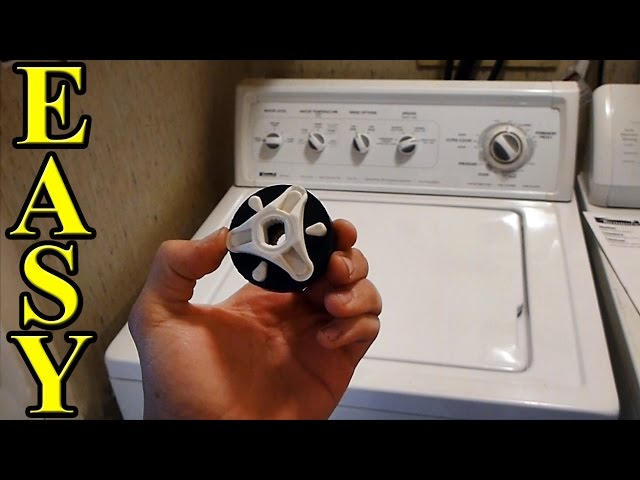
The motor powers the washer drum. If it fails, the spin cycle stops. Motor coupling links the motor to the transmission and can wear out.
Replacing the motor coupling is often easier and cheaper than a full motor repair. Also, the drive belt may slip or break, so check it regularly.
Steps to replace the belt:
- Unplug the washer and remove the back panel.
- Locate the belt around the motor and drum pulleys.
- Remove the old belt carefully.
- Fit the new belt tightly on the pulleys.
- Reassemble and test the spin cycle.
Proper belt tension avoids slip and vibration problems. For more on balancing your washer, read how to balance washing machine.
Many washers also have a clutch assembly that helps start the spin. If the clutch wears out, it may need replacement, which is more complex.
Handling Drain Pump and Lid Switch Faults 💬
The drain pump removes water before the spin cycle. If it is clogged, the washer will not spin to avoid water spills.
Common signs of drain pump issues include water remaining in the tub and strange noises during the drain phase.
To fix:
- Unplug the washer.
- Access the drain pump and check for blockages.
- Clean out debris or replace the pump if broken.
The lid switch is a safety part. If it does not detect the lid is closed, the washer won’t spin.
Testing the lid switch with a multimeter can confirm if it works. Replacing it is usually simple and restores spin function.
Regular maintenance helps prevent these problems. Check out how to clean my LG washing machine for tips on keeping parts clean.
Balancing and Maintenance Tips for 2026 ✅
Machine vibration and unbalanced loads are top causes of spin failure. Load your washer evenly to avoid shaking.
Keep your washer clean inside and out. Remove lint, debris, and detergent buildup from the drum and hoses.
Regular checks of belts, motor, and pumps prevent unexpected breakdowns.
Industry consensus recommends:
- Check the washer tub for damage.
- Clean detergent dispensers monthly.
- Run an empty hot wash with vinegar to remove buildup.
- Inspect electrical wiring for faults.
Following these tips can extend your washer’s life and keep it spinning smooth.
| Maintenance Task | Frequency | Benefit |
|---|---|---|
| Clean detergent dispenser | Monthly | Prevents clogs and buildup |
| Balance load properly | Every wash | Reduces vibration and wear |
| Inspect drive belt | Every 6 months | Avoids spin failure |
| Run cleaning cycle with vinegar | Every 3 months | Removes odor and mold |
Knowing how to fix a washing machine that won’t spin saves money and time. Remember, safety first: unplug the machine before repairs.
For more repairs like fixing a stuck agitator, see how to clean inside of washing machine agitator.
Conclusion: Keep Your Washer Spinning Smoothly
Washers that won’t spin cause big hassle, but most problems are fixable at home. Start by checking the lid switch, drive belt, and motor coupling.
Cleaning the drain pump and balancing your washer tub are key steps to restore spinning. Regular maintenance keeps your machine in top shape.
Use this guide to troubleshoot spin cycle issues and keep your laundry on track. With simple care, your washer can spin strong for years ahead.
Remember to always follow safety rules and consult your washer’s manual or expert help if needed.
Frequently Asked Questions
Why does my washing machine stop spinning?
A washer may stop spinning because of a broken motor coupling, faulty lid switch, or an unbalanced load.
How do I fix a washer that won’t drain?
Check for clogs in the drain pump or hose and clean them. Replace the drain pump if it is broken.
What does an error code on my washer mean?
Error codes point to specific problems like motor faults, lid switch malfunction, or sensor errors. Consult your manual for details.
Can I replace the washer belt myself?
Yes, if you are comfortable with basic tools and safety steps, you can replace the drive belt following your washer’s guide.
How can I prevent washer vibration problems?
Balance the load evenly and place the washer on a flat, stable surface to reduce shaking during the spin cycle.

Roger Jacobs is a seasoned appliance expert with over 15 years of experience in the washing machine industry. He specializes in product reviews, energy efficiency, and innovative washing technologies, providing users with trustworthy insights to make informed purchasing decisions.