
Why Clean Your Coffee Machine?
Cleaning your coffee machine is key to good tasting coffee. Over time, minerals from water build up inside. Coffee oils and grounds also leave residue. These block water flow and change flavor. Keeping your machine clean helps it last longer and brews better coffee.
White vinegar is a top choice for many. It is a natural acid that breaks down scale deposits. Vinegar also removes coffee stains and odors. Using vinegar for coffee machine cleaning is safe when done right. It is a simple, homemade coffee machine cleaner that fits into your regular maintenance routine.
For a deeper understanding of this mechanic, analyzing resources on vinegar coffee maker cleaning provides excellent foundational context.
Preparing for Cleaning
Before starting, unplug your coffee machine. Empty any leftover coffee and remove the filter. Take out the carafe and water reservoir if possible. Rinse these parts with warm water to clear loose grounds. Use a soft cloth to wipe the coffee pot interior gently. This removes surface stains and oils.
Check your coffee machine manual for any brand-specific advice. Some machines may need special care. If you own a particular model, like Mr. Coffee, see detailed guides such as how to clean Mr Coffee machine for tailored instructions.
Vinegar Cleaning Method
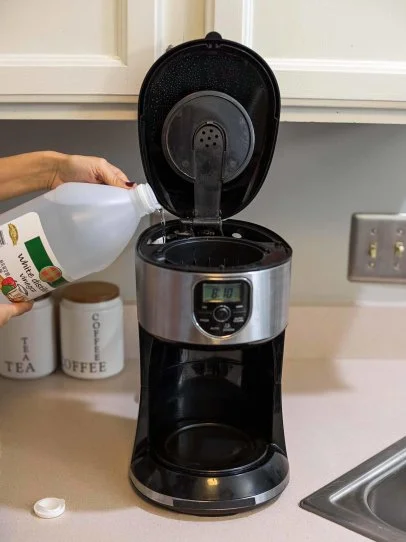
Mix equal parts white vinegar and water to make your cleaning solution. This mix is strong enough to remove scale but gentle on the machine. Fill the water reservoir with this solution. Avoid using undiluted vinegar as it can be too harsh.
Start the cleaning cycle just like you would to brew coffee. Let the vinegar solution run through the machine. This flushes out mineral deposits inside the brewing system and pipes. Once the cycle ends, turn off the machine and let the solution sit for 15 to 30 minutes. This soak time helps break down stubborn scale buildup.
After soaking, run at least two full rinse cycles with fresh water. This flushes vinegar taste and smell from the machine. Proper rinsing is crucial to prevent vinegar from affecting your coffee flavor.
Do not forget to clean removable parts separately. Soak the carafe and filter basket in vinegar water for 15 minutes. Then scrub gently with a sponge to remove coffee stains. Rinse well before reassembling.
Scale Buildup Removal and Prevention
Scale deposits reduce machine efficiency and lifespan. Vinegar is effective at dissolving these mineral buildups. Using vinegar regularly prevents thick scale layers from forming. This keeps your coffee machine brewing smoothly.
:max_bytes(150000):strip_icc()/clean-coffee-maker-with-vinegar-1907384_FINAL-3af08744866e446da1d71fb372e8270c.png "How to Clean a Coffee Maker With Vinegar (Figure)")
Experts recommend descaling every 1 to 3 months. If you have hard water, clean more often. Soft water users can extend intervals. A maintenance routine including vinegar cleaning helps avoid costly repairs.
Cleaning Frequency Recommendations
The frequency depends on your usage. For daily coffee drinkers, a monthly vinegar cleaning works well. If you brew less often, every two to three months is fine. Alongside descaling, wipe the exterior and clean the filter basket weekly.
Keeping track of cleaning cycles ensures freshness. Mark calendar dates or set reminders. This simple step helps maintain your coffee maker’s performance over years.
Coffee Machine Odor Removal
Old coffee residue can cause bad smells. Vinegar neutralizes odors naturally. Running a vinegar cleaning cycle flushes out trapped coffee oils and bacteria that cause odors. After rinsing, your coffee pot will smell fresh again.
For strong odors, wipe the coffee maker interior with vinegar. Let it dry fully before use. This method is safe vinegar usage recommended by many coffee experts.
Coffee Maker Troubleshooting Tips
If your coffee machine runs slow or brews weak coffee, scale buildup might be the cause. Vinegar cleaning often fixes these issues. Also check the water reservoir for dirt or mold. Clean it regularly to avoid blockages.
If problems persist after cleaning, consult your machine’s manual or a technician. Proper maintenance helps prevent most common coffee machine troubles.
Homemade Coffee Machine Cleaner Alternatives
Besides vinegar, some use baking soda with vinegar for cleaning. Baking soda scrubs away stains while vinegar dissolves scale. However, ensure thorough rinsing to avoid residue.
Commercial cleaning solutions are also available. These are designed specifically for espresso machines and drip coffee makers. They often work faster but cost more. For example, see guides on how to clean Casabrews espresso machine for other cleaning solution options.
🚀 Quick Descaling Tips
| Step | Action | Time Needed |
|---|---|---|
| 1 | Mix vinegar and water (1:1) | 5 minutes |
| 2 | Run cleaning cycle with solution | 10-15 minutes |
| 3 | Soak inside machine | 15-30 minutes |
| 4 | Run 2 rinse cycles with fresh water | 20-30 minutes |
Following these steps prevents scale buildup effectively. Stick to this schedule for best results.
Remember to always unplug your machine before starting any cleaning process. Safety first!
Prevent Coffee Residue Buildup
Use fresh water for every brew to reduce residue. Clean the filter and carafe after each use. Avoid leaving coffee grounds in the basket overnight. These habits limit coffee oils and stains from forming inside your machine.
Regular vinegar cleaning cycles flush out hidden buildup in pipes and the brewing system. This keeps your coffee tasting fresh and your machine working well.
Clean Brewing System Deeply
Some coffee machines have removable parts in the brewing system. Remove and soak them in vinegar water. Use a soft brush to clean small holes and pipes. This deep cleaning dislodges stuck coffee oils and scale.
For espresso machines, special cleaning tablets or solutions may be necessary. The brewing system is more complex and sensitive. Always follow manufacturer guidance for safe cleaning.
⚖️ Vinegar Vs. Commercial Cleaners
| Feature | Vinegar | Commercial Cleaner |
|---|---|---|
| Cost | Low | Higher |
| Effectiveness | Good for scale | Strong for stains & oils |
| Safety | Safe if rinsed | Varies by product |
| Ease of use | Simple DIY | Ready to use |
Choose vinegar for a natural, budget-friendly option. Commercial cleaners offer fast results but may contain chemicals. Balance your choice with frequency and machine type.
:max_bytes(150000):strip_icc()/clean-coffee-maker-with-vinegar-1907384-Final-e47a97b1dd8e4e8a9d3655cf9e87e9c6.jpg "How to Clean a Coffee Maker With Vinegar (Figure)")
Always rinse well after any cleaning method to protect your machine and taste.
Coffee Pot Cleaning Guide
To remove coffee stains from the carafe, fill it with vinegar and water. Let it soak for 15 minutes. Use a soft sponge or brush to scrub stains. Rinse thoroughly with warm water.
For stubborn stains, add baking soda to the sponge. This mild abrasive helps lift stains without scratching the pot. Repeat as needed to keep your coffee pot clear and clean.
✅ Maintenance Routine Checklist
| Task | Frequency | Notes |
|---|---|---|
| Daily | Wipe exterior, empty grounds | Prevent residue buildup |
| Weekly | Wash carafe and filter | Use vinegar soak if stained |
| Monthly | Run vinegar descaling cycle | Adjust for water hardness |
| Yearly | Deep clean brewing system | Use special cleaners if needed |
Following this checklist will keep your coffee machine in top shape. Proper maintenance means better coffee and fewer repairs.
Integrate cleaning into your routine for lasting freshness and machine health.
Conclusion
Cleaning your coffee machine with vinegar is an effective way to remove scale and coffee stains. It prevents residue buildup and keeps your brewing system fresh. Regular vinegar cycles, paired with good habits like rinsing and wiping, extend your machine’s life.
Maintain a set cleaning schedule based on your use and water hardness. Always rinse thoroughly after vinegar cleaning to protect components and avoid flavor changes. For espresso machines, follow special cleaning steps or use dedicated solutions.
For additional insights on the best ways to clean coffee machines, resources like coffee maker cleaning tips on Reddit offer community-tested advice and tips.
Also, exploring how to clean other household appliances, such as how to clean filter in Whirlpool washing machine, can broaden your maintenance skills for a cleaner home.
By following these expert cleaning tips, your coffee machine will brew better, last longer, and stay odor-free. Enjoy every cup of coffee with confidence in your machine’s cleanliness.
Frequently Asked Questions
Why is vinegar used to clean coffee machines?
Vinegar is a natural acid that helps dissolve mineral scale deposits and remove coffee residue buildup. It is safe and effective when used correctly for regular coffee machine maintenance.
How often should I clean my coffee maker with vinegar?
Industry consensus suggests descaling your coffee machine every 1 to 3 months depending on water hardness and usage frequency. Regular cleaning prevents scale buildup and odor.
Can vinegar damage my coffee machine?
When used in recommended amounts and rinsed properly, vinegar does not harm coffee machine components. Avoid prolonged exposure and always run a full rinse cycle after cleaning.
How do I remove coffee stains inside the machine?
Using a diluted white vinegar solution helps break down coffee oils and stains. Wiping the interior parts with vinegar-soaked cloths and running cleaning cycles aids stain removal.
What is the best method to descale an espresso machine?
For espresso machines, use a specially formulated cleaning solution or a vinegar-water mix. Follow manufacturer instructions and run the cleaning solution through the brewing system, then rinse thoroughly.

Roger Jacobs is a seasoned appliance expert with over 15 years of experience in the washing machine industry. He specializes in product reviews, energy efficiency, and innovative washing technologies, providing users with trustworthy insights to make informed purchasing decisions.