
Understanding Washing Machine Filters
Many wonder if washing machines need filters. The short answer is yes for most models. These filters catch lint, debris, and small particles during the wash cycle. Not all machines have the same type of filter, but they serve an important function. For a deeper understanding of this mechanic, analyzing resources on do all wash machines have a filter provides excellent foundational context.
Filters help keep the washing machine’s drain pump from clogging. They also stop lint from sticking back onto clothes or blocking water drainage. Understanding the washing machine filter function is key to proper maintenance and long machine life.
Not every washing machine includes a filter, though. Some models rely on other methods to manage lint and debris. Knowing your washer type helps in care and troubleshooting.
Types of Washing Machine Filters
There are several common washing machine filter types. The two main categories are the lint filter and the drainage filter. Lint filters catch fibers and fluff from clothes. Drainage or debris filters stop small objects and dirt from reaching the pump.
Front load washers often have a front load washer filter near the drain pump. Top load washers may have a filter inside the drum or near the water outlet. Some machines include a washing machine water filter to remove impurities from the water supply, but this is less common.
Each filter type plays a role in keeping clothes clean and the machine running smoothly. Knowing the right filter for your washer guides proper care.
🚀 Beginner Tip: Check your user manual to find which filter your washing machine uses. This helps you clean or replace it properly.
Where Is the Washing Machine Filter Located?
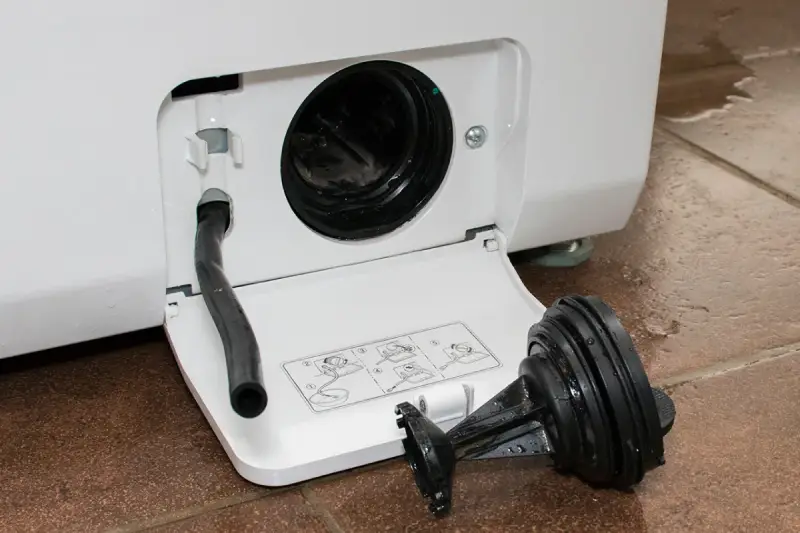
The washing machine filter location varies by model. Most front load washers place the filter behind a small door on the lower front panel. Opening this panel reveals the filter housing and pump filter. For top load washers, the filter might be inside the agitator or near the drum rim.
Some machines don’t have an easy-to-access filter. Instead, they may use self-cleaning systems or small internal screens. In these cases, the filter is either not user-serviceable or not present. This is why some users ask, “Do all washing machines have a filter?”
Knowing your machine’s filter location helps with regular cleaning. Dirty or clogged filters can cause performance issues.
Signs of a Clogged Washing Machine Filter
When a filter clogs, the washing machine may act up. Common signs include water drainage problems, longer wash cycles, or unusual noises from the drain pump. Clothes may feel damp after a cycle or have lint stuck to them.
Other signs are error codes on the machine display or the washer stopping mid-cycle. These indicate the filter might be blocked by lint, debris, or small objects like coins.
Ignoring these signs can lead to costly repairs. Regular washing machine maintenance tips include checking and cleaning filters to avoid clogging.
Cleaning and Replacement of Filters
Cleaning washing machine filter is simple but important. Turn off the machine and unplug it. Locate the filter, remove it carefully, and clean off lint and debris. Rinse the filter under running water and use a soft brush if needed.
Some filters need replacing instead of cleaning. The washing machine filter replacement depends on the filter’s condition. Regular cleaning extends filter life, but worn or damaged filters should be changed promptly.
For detailed steps, resources like How to Find and Clean a Washing Machine Filter – Maytag can be very helpful.

📌 Step-by-Step Guide to Clean Filter:
- Unplug the washing machine.
- Open the filter panel or access point.
- Unscrew and pull out the filter carefully.
- Remove debris and rinse the filter.
- Check the filter housing for buildup.
- Replace the filter and close the panel.
- Run a short wash cycle to check for leaks.
Always follow your washing machine brand’s instructions for filter care.
Front Load Washer Filter vs. Top Load Washer Filter
Front load washers typically have a drain pump filter that catches debris before water leaves the machine. This filter is accessible via a panel at the bottom front. Cleaning it is important to prevent blockages.
Top load washers often have filters in different spots, such as inside the agitator or near the water drainage area. Some top loaders may not have a separate filter but use a lint trap in the drum or water system.
Understanding the difference between a front load washer filter and a top load washer filter helps users perform proper maintenance. Cleaning frequency and method also vary by type.
Dryer Lint Filter vs Washer Filter
Many confuse the dryer lint filter with the washing machine filter. Dryer filters catch lint from drying clothes and are easy to clean after each use. Washer filters catch lint and debris during washing and are less obvious.
Dryer filters protect the dryer vent and improve drying efficiency. Washer filters protect the machine’s drainage system and pump. Both filters help avoid clogs but serve different parts of laundry care.
Maintaining both ensures better laundry results and appliance health.
Advantages of Washing Machine Filters
Washing machine filters offer many advantages. They protect the drain pump from damage caused by lint and debris. Filters also help clothes come out cleaner by trapping fibers during the wash.
Filters help avoid clogs that cause water drainage problems. This improves machine efficiency and can lower energy and water use. Filters reduce repair costs by preventing pump failures.
Overall, having a filter improves washing machine performance and extends its life.
Washing Machine Filter Cleaning Frequency
Cleaning frequency depends on machine use and water quality. Industry consensus indicates cleaning the filter every 1 to 3 months is best for most homes. Heavy use or hard water may require more frequent cleaning.
Regular cleaning keeps the filter free from lint, detergent residue, and debris. This maintains proper water drainage and prevents odors. A clogged filter reduces washing machine performance and may cause errors.
Use a calendar reminder or set a phone alert to keep track of cleaning times.
How Filters Affect Washing Machine Performance
Filters play a key role in washing machine performance. A clean filter allows proper water drainage, so the wash cycle completes on time. It prevents pump strain and motor wear from trying to push water through blockages.
A clogged filter causes slow drainage, longer cycles, and may leave clothes wet. It can trigger error messages or stop the machine. Filters also reduce lint redeposit, improving cleaning results.
Proper filter care is a simple way to keep your washing machine running well and avoid costly repairs.
Conclusion: The Importance of Washing Machine Filters
Not all washing machines include filters, but most have some form to catch lint and debris. Filters are vital for protecting the drain pump and keeping water flowing smoothly. Regular cleaning and timely replacement ensure the machine performs at its best.
Knowing your washer type and filter location helps you maintain it properly. Ignoring the filter can lead to clogged drains, poor wash quality, and costly repairs. Use maintenance tips and cleaning guides to keep your washer in top shape.
For those wanting to explore more, the article on do all washing machines have filters offers deeper insights into different models and their filter systems.
🚀 Expert Insight: Regularly cleaning your washing machine filter is one of the easiest ways to extend the life of your appliance and improve washing results.
Washing Machine Filter Types Comparison
| Filter Type | Common Location | Function | Maintenance |
|---|---|---|---|
| Lint Filter | Inside drum or agitator | Catches lint and fibers | Clean monthly |
| Drain Pump Filter | Front lower panel | Traps debris before pump | Clean every 1-3 months |
| Water Filter | Water inlet valve | Removes water impurities | Replace as needed |
Filters vary widely. Knowing your type is key to care.
Proper maintenance avoids many common washer problems.
Recommended Filter Cleaning Frequency
| Use Level | Water Quality | Cleaning Frequency |
|---|---|---|
| Light Use | Soft Water | Every 3 months |
| Moderate Use | Medium Hardness | Every 2 months |
| Heavy Use | Hard Water | Every month |
Adjust cleaning to your conditions for best results.
Ignoring filters leads to performance decline and repairs.
Pros and Cons of Washing Machine Filters
| Advantages | Disadvantages |
|---|---|
| Protects pump from damage | Requires regular cleaning |
| Improves water drainage | Can clog if ignored |
| Prevents lint redeposit | Not always user-accessible |
| Extends machine life | Some models lack filters |
Overall, filters are beneficial with proper care.
Washing machine owners should prioritize filter maintenance.
Frequently Asked Questions
Do all washing machines have a filter?
Most washing machines come with some type of filter to catch lint and debris, but not all models have one. Some modern machines rely on other systems to manage debris.
Where is the washing machine filter located?
Filters are often found near the drain pump at the front or bottom of the machine. Some top load washers have filters inside the agitator or drum area.
How often should I clean my washing machine filter?
Cleaning frequency depends on use, but generally every 1 to 3 months is recommended to avoid clogging and maintain performance.
What happens if the washing machine filter is clogged?
A clogged filter can cause poor water drainage, longer wash cycles, and even damage the drain pump, affecting the machine’s overall performance.
Can I use my washing machine without a filter?
While some washers do not have filters, using one helps catch lint and debris, protecting the machine and prolonging its life. If a filter is missing, performance issues may arise.

Roger Jacobs is a seasoned appliance expert with over 15 years of experience in the washing machine industry. He specializes in product reviews, energy efficiency, and innovative washing technologies, providing users with trustworthy insights to make informed purchasing decisions.