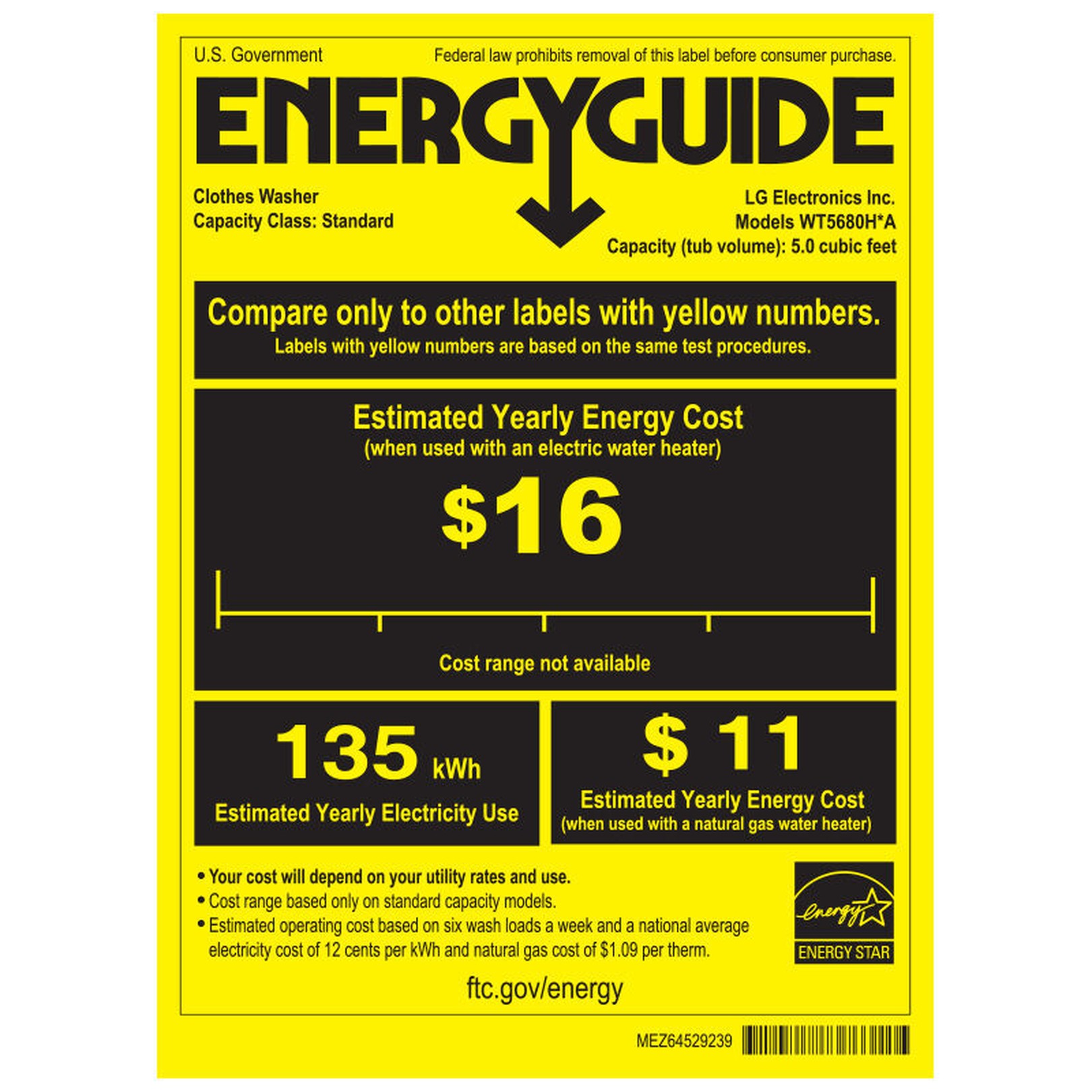
Ever stood by your washing machine mid-cycle, wondering just how much juice it’s gulping down? The electric appetite of washers is no joke. Some tanks slam through more watts, others sip gently. But how many watts does a washing machine use, really? That number might surprise you.
Understanding Washing Machine Wattage
Let’s cut through the jargon. Watts measure power—straight up. A typical washing machine might pull anywhere from 400 to 1300 watts depending on the model and cycle intensity. A standard top-load washer often runs on the lower end, about 400 to 800 watts. Front-loading washers, known for their efficiency, hover around 500 to 1300 watts. It’s the heat of the water, spinning speed, and load size that crank wattage up or down.
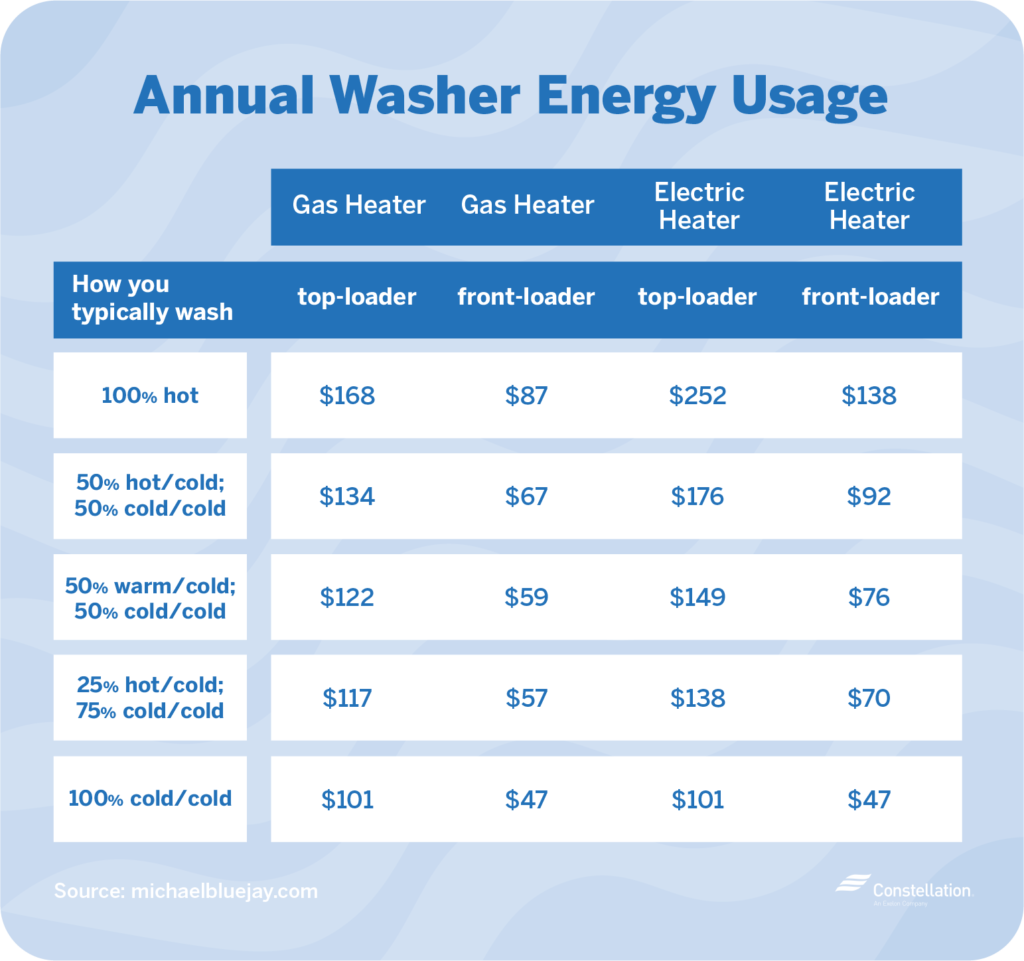
When you dive into the numbers, the National Renewable Energy Lab highlights that water heating is usually the most energy-hungry part of washing. Cold water cycles trim the wattage down dramatically. Ever wonder how much electricity you scorch on a hot cycle? Usually twice that of a cold one! For a detailed wattage breakdown, check out Nexamp’s comprehensive guide, which nails down specifics with no fluff.
What’s Sucking Watts in Your Washer?
- Water Heating: Up to 90% of energy in hot washes gets burnt heating water.
- The Motor: Responsible for drum spins – more spin, more watts.
- The Pump: Moves water — not a massive power hog but adds up.
Imagine your washer’s motor as a tiny engine revving its throttle based on your cleaning’s demands. Faster spins and hotter temps rev that engine higher, gulping more wattage. For a fascinating look at how these washing machine guts affect power draw, Direct Energy breaks it down well.
Washing Machine Maintenance and Wattage
Maintenance isn’t just about squeaky clean laundry. It’s about keeping your machine humming efficiently, which means lower power bills and longer machine life. Dirty washers work harder, demand more power.
Take front load washer cleaning. Mold and residue in the gasket not only stink up your clothes but can force your machine to use more energy trying to rinse and spin thoroughly. Same with top load washer care—keeping the drum and dispensers fresh prevents your washer from pulling extra watts.
Remove odor from washing machine by running monthly cleaning cycles with vinegar or specialized cleaners. It’s like giving your washer a spa day, recharging its mojo and keeping energy slurping in check.
Simple Steps to Cut Wattage and Save Bucks
- Run cold water cycles: They slash heating costs dramatically without sneaking dirt away.
- Wash full loads: Less frequent spins = less total energy.
- Use eco-settings: Modern washers tailor cycles to save juice.
- Maintain regularly: Clean filters, gasket rings, and dispensers to keep energy suction low.
Washing Machine Maintenance Checklist
| Task | Recommended Frequency | Purpose/Benefit |
|---|---|---|
| Clean gasket and door seals | Monthly | Prevents mold and bad odors, maintains efficient water flow |
| Run washer cleaning cycle | Monthly | Removes residue and buildup that increase power consumption |
| Check and clean filters | Every 3 months | Ensures water flows freely, reduces strain on motor and pump |
| Inspect hoses for leaks or damage | Every 6 months | Prevents water waste and potential electrical hazards |
| Balance load during washes | Every use | Reduces motor workload, saves energy and prevents wear |
Wrap-up: How Many Watts Does a Washing Machine Use?
It’s a range, sure. But your washing machine can suck anywhere from 400 watts for simple cold cycles on a small load to over 1300 watts when heating water and spinning at maximum speed with heavy loads. Smart habits like running cold cycles and keeping your machine clean cut down power consumption sharply. It all boils down to treating this appliance like the workhorse it is—not a trash bin for grime.
Source: blog.constellation.com
Source: www.kompulsa.com
FREQUENTLY ASKED QUESTIONS
Does a washing machine use more watts on hot or cold cycles?
Hot cycles use significantly more watts because heating the water is energy-intensive. Cold cycles bypass the heater, saving electricity.
Do front load washers use more power than top load?
Front loaders are generally more energy-efficient but can draw higher wattage during certain cycles due to longer spin times.
Can maintaining my washing machine lower energy use?
Absolutely! Regular maintenance keeps the motor and pump efficient, preventing extra energy drain from dirt and mildew buildup.
Is it better to wash full loads or smaller loads?
Full loads are more energy-efficient. Washing half-empty loads wastes water and electricity.
Where can I see detailed energy stats for my washer?
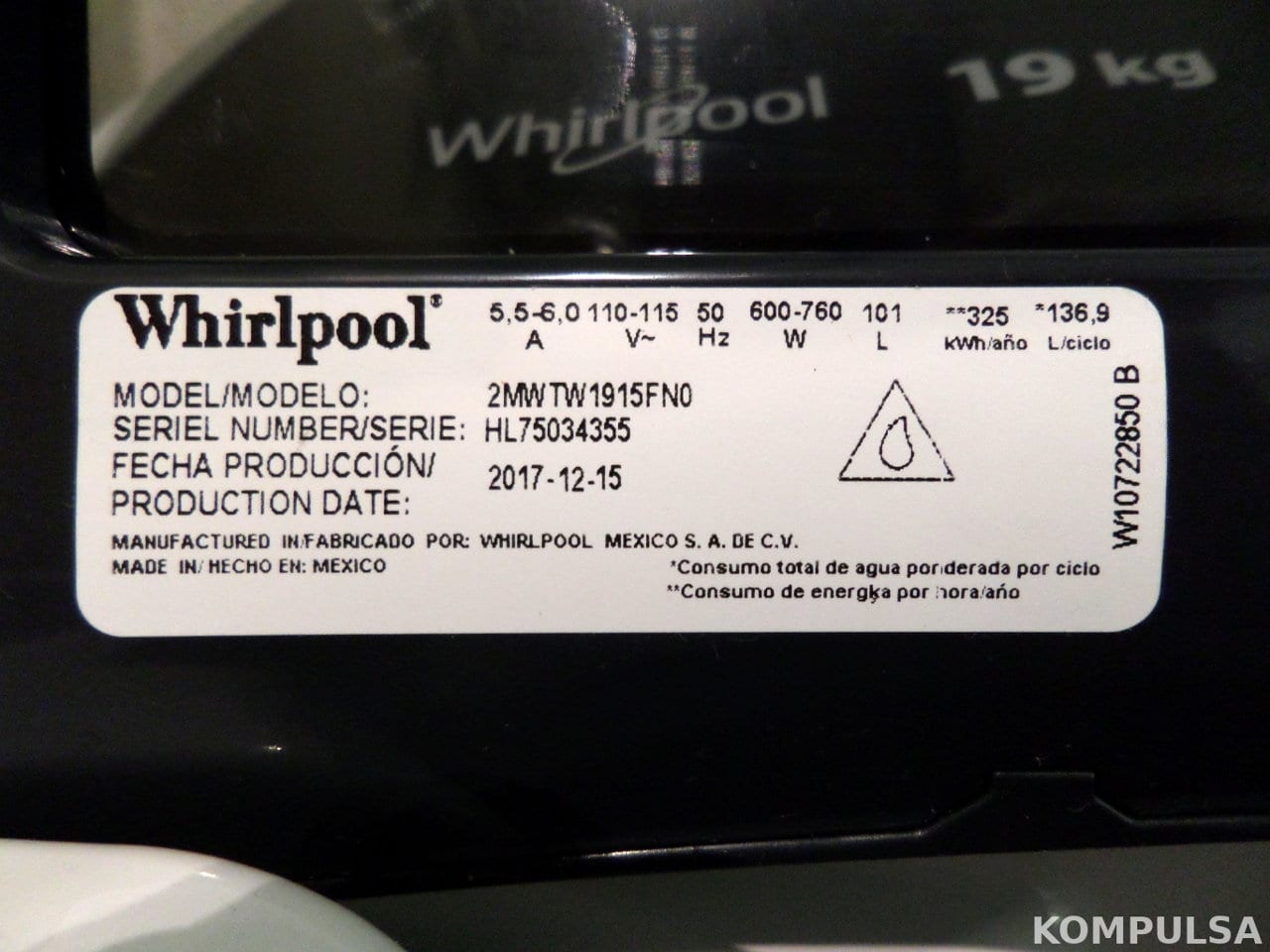
Energy labels and user manuals provide info. Websites like EnergySage offer extensive guides on average watt usage for different models.

Lonnie Clarke believes that taking care of your washing machine starts with what you put into it. As a former textile quality controller, she understands exactly how different fabrics, water temperatures, and detergents interact with your appliance’s drum. She writes our comprehensive guides on preventing mold, choosing the right cycles, and extending the life of your clothes.