Ever peeked at your electric bill and thought, “How many watts for washing machine?” It’s a fair question — these beasts gobble power, but exactly how much? Let’s cut through the clutter and get real numbers mixed with action you can take to tame that electricity monster.
What’s the Wattage of a Washing Machine, Really?
First up, washing machines aren’t all created equal. Your home machine’s power draw depends on its type, size, and cycle. Most washers sip between 350 to 500 watts during a typical wash cycle but can spike substantially when the motor kicks in for agitation or spinning. Those high-demand moments can shoot wattage up to nearly 2000 watts — especially in older or less efficient models.
If you want solid numbers and context, I recommend checking comprehensive data like EnergySage’s guide on washing machine wattage, which breaks down usage scenarios and helps you gauge your own machine’s appetite.
Why Does Wattage Matter When Washing Clothes?
If you’re shrugging and thinking, “It’s just a washing machine,” picture this: a small business owner running a busy laundromat noticed their electricity bills doubled after switching to an older washer model that drew over 1800 watts on heavy cycles — a costly oversight. So yes, those watts add up — both in money and environmental impact.
 "Discover How Many Watts Your Washing Machine Uses 2")
Source: www.energysage.com
Understanding wattage helps you:
- Estimate running costs accurately
- Choose energy-efficient models
- Schedule wash cycles during off-peak hours
- Implement smarter washing machine maintenance
Energy-Saving Washer Cleaning & Maintenance Hacks
Forget the myth that washing machines maintain themselves! A stinky, odor-prone washer isn’t just gross—it wastes energy. Scuzzy residue makes motors work overtime. I once had a neighbor whose washer clogged with soap scum and mold. Performance tanked, and power use skyrocketed until a thorough front load washer cleaning brought things back to life.
Here’s a simple, effective maintenance checklist to keep your machine humming without guzzling watts:
| Task | Recommended Frequency | Purpose/Benefit |
|---|---|---|
| Run a cleaning cycle with vinegar or washer cleaner | Monthly | Remove odor and soap scum buildup to improve efficiency |
| Clean detergent dispenser and door seals | Monthly | Prevent mold and reduce motor strain |
| Inspect and clean lint filter (if applicable) | Every wash or bi-weekly | Ensure proper water flow and reduce wear |
| Check hoses for leaks or cracks | Every six months | Avoid water damage and inefficiencies |
| Balance load sizes | Every wash | Minimize motor overload and energy wastage |
For detailed advice on removing odor from washing machines or front load washer cleaning, see EcoFlow’s washing machine wattage overview. They’re spot on about how maintenance directly cuts energy needs.
Front Load vs Top Load Washer Care & Energy
Front load machines typically use less water and electricity but demand more regular seal cleaning to avoid mold. Top load washers, while often simpler to maintain, might sip a little more power but are less prone to stinky gaskets. Each style benefits from routine upkeep and smart cycle choices.
A Facebook discussion I spotted debates how different washers draw power and how wattage differs even within the same load sizes. The key takeaway? Know your machine and keep it clean.
Quick Tips to Keep Your Washing Machine Watts in Check
- Use cold water cycles when possible — heating water is a big watt user.
- Avoid overloading to prevent motor burnout.
- Choose high-efficiency detergents that reduce residue call-outs.
- Use shorter cycles if clothes aren’t heavily soiled.
- Turn off the machine immediately after cycle to avoid phantom power draw.
For further data, appliance wattage tables accessible on sites like DaftLogic can give you a comprehensive energy consumption breakdown for other home appliances too.
 "Discover How Many Watts Your Washing Machine Uses 3")
Source: www.energysage.com
Wrapping It Up: Watts Add Up, So Care Counts
Here’s the dirt: the question ‘how many watts for washing machine’ isn’t just trivia. It’s money leaving your wallet. And wasted energy hurting the planet. The fix isn’t some fancy gadget. It’s consistent washer cleaning, smart cycle choices, and knowing your specific model’s quirks.

Source: www.ankersolix.com
Keep tabs on wattage. Clean those seals. Tune up regularly. Investing a bit of elbow grease and thought saves cash and hassle long-term. Your washing machine isn’t a black hole for electricity—it’s a machine that loves a good scrub and respect.
FREQUENTLY ASKED QUESTIONS
Q: How many watts does an average washing machine use per cycle?
A: Typically, between 350 to 500 watts during washing, but spin cycles can peak around 1200 to 2000 watts depending on the model and age.
Q: Does washer maintenance really affect energy consumption?
A: Absolutely. Dirt, soap scum, and mold strain the motor and make your machine work harder, upping the wattage it pulls.
Q: Are front load washers more energy-efficient than top load?
A: Generally yes, front load washers use less water and power, but they need regular gasket cleaning to avoid odors and mold buildup.
Q: How can I check my washing machine’s exact wattage?
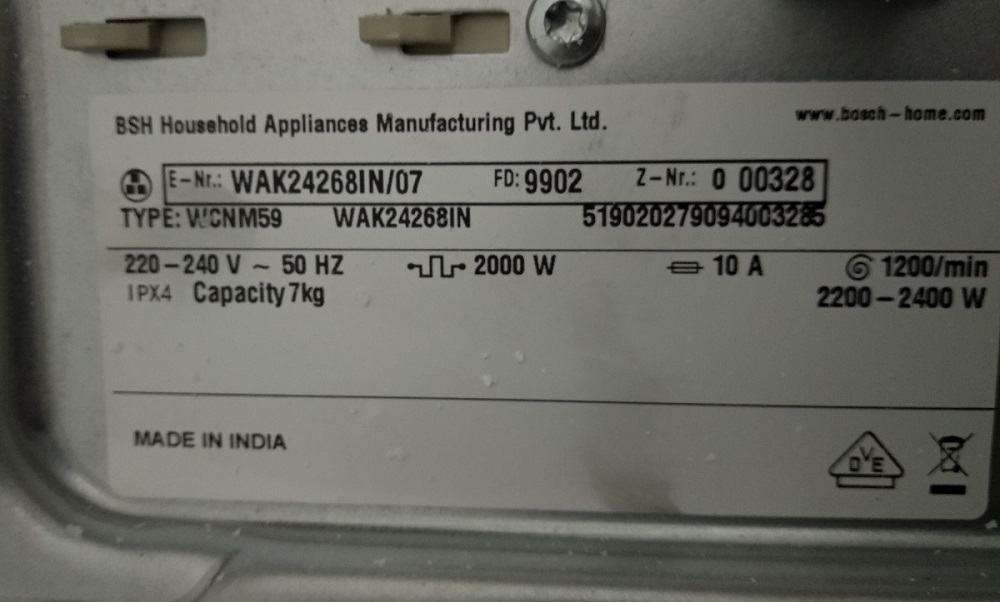
A: Look at your machine’s label or manual for power ratings. For real-time info, a plug-in power meter can measure actual energy use during cycles.
Q: What’s the best way to remove odor from a washing machine?
A: Run monthly cleaning cycles with white vinegar or a commercial cleaner, wipe down seals and dispensers, and leave the door open after use to dry out moisture.

With over 15 years of hands-on experience in the appliance repair industry, Erick Jackson is WashingMachineCare’s resident gearhead. He holds multiple manufacturer certifications and specializes in breaking down complex mechanical failures into easy, step-by-step DIY fixes. When he’s not covered in grease, Erick Jackson enjoys restoring vintage washing machines to their former glory.