Ever stared at your stubbornly dingy whites and wondered, “How the heck do I add bleach to this washing machine without wrecking my favorite shirt or messing up my washer?” You’re not alone. Adding bleach can feel like wielding a double-edged sword. Get it right, and your laundry will shine like new. Screw it up, and you might as well have tossed your clothes in a chemical soup pot.
Why Bleach? Why Now?
Bleach isn’t just for those scary old ladies who bleach their hair and their laundry. It’s the laundry warrior that battles stains, kills pesky germs, and even zaps nasty odors from your clothes—and yes, your washing machine too. Check out this Clorox guide on bleach in laundry if you want the full scoop.
Step-by-Step: How to Add Bleach to Your Washing Machine
There’s a method to this madness, and it depends on your machine type—top load or front load—which changes everything. Imagine you’re defusing a bomb; the right step matters.

Source: www.youtube.com
For Top Load Washers
- Fill the washer tub with water before adding bleach (it usually happens automatically in most machines).
- Measure the bleach—usually 3/4 cup is enough for a regular load. Don’t eyeball it; bleach is ruthless.
- Pour the bleach directly into the bleach dispenser (if your model has one). If not, add the bleach to the water before loading clothes.
- Add your clothes after the bleach is diluted to avoid fabric damage.
- Start your wash cycle as usual.
For Front Load Washers
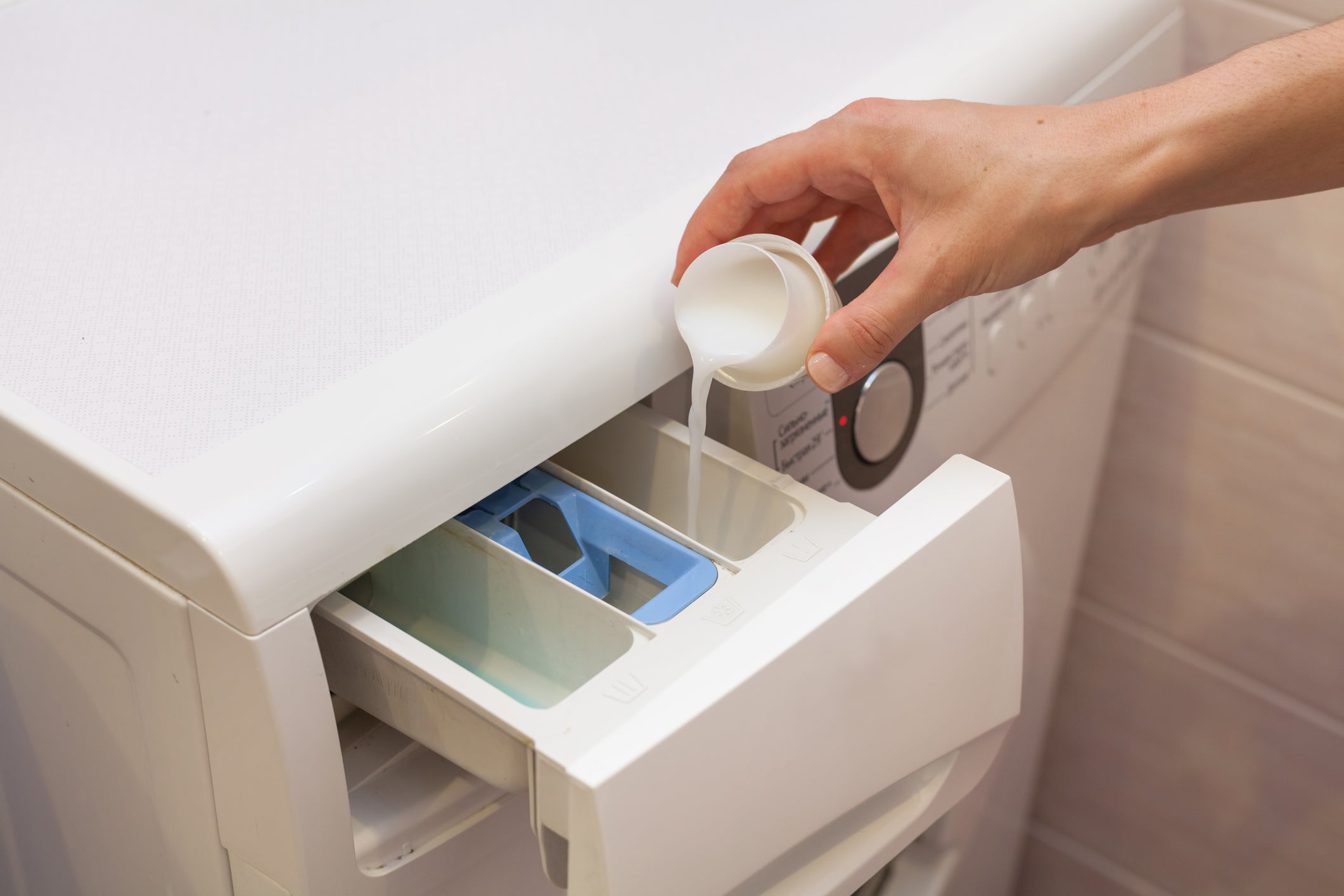
- Locate the bleach dispenser drawer—usually marked with a symbol or labeled ‘bleach.’
- Pour the bleach into the dispenser, not directly onto clothes. Manufacturer-safe balance here is key.
- The machine will automatically mix and dispense bleach at the right time during the wash cycle.
- Load your clothes as usual and start the wash.
If your washing machine manual is gathering dust, now’s the time to give it a once-over or see Whirlpool’s expert bleach usage tips for pointer clarity.
Safety First: Bleach Is a Troublemaker
Please, don’t just splash bleach around like it’s party confetti. Follow these safety pointers:
- Never mix bleach with ammonia or other cleaners—that’s a toxic cocktail.
- Use gloves if you’re sensitive; bleach creeps into skin and leaves it dry and cracked.
- Ventilate the area; bleach fumes aren’t perfume.
- Measure carefully; too much bleach ruins fabric and eats away your washer parts.
Did I mention to avoid direct contact with your clothes before dilution? That’s the shortcut to grim damage.

Source: www.wikihow.com
Besides Laundry: Bleach and Washing Machine Maintenance
Your washing machine isn’t a magical invincible box. It harbors odors, mildew, and funky residues like any lived-in place. Use bleach to give it a much-needed detox. Here’s how:

Source: www.youtube.com
- Empty the washer.
- Pour 1 cup of bleach into the detergent dispenser.
- Run the washer on the hottest and longest cycle—no clothes inside.
- After cycle completion, wipe down the drum, door seals, and detergent drawer to remove residues.
This simple ritual swoops in to remove odor from washing machine and prevents gunky buildup. Pro tip: Do this monthly for a happy, fresh-smelling machine.
Quick Washing Machine Maintenance Checklist
| Task | Recommended Frequency | Purpose/Benefit |
|---|---|---|
| Bleach Wash Cycle (Empty Machine) | Monthly | Remove mold, mildew, and odors; prolong washer life |
| Check and Clean Dispensers | Monthly | Prevent detergent and bleach buildup; maintain proper function |
| Inspect Door Seals | Weekly | Avoid mold and leaks in front load washers |
| Run Hot Water Cycle | Weekly | Flush out buildup and bacteria |
| Leave Door Open After Use | After Each Use | Allow drying to prevent odor and mold growth |
Tips for Front Load and Top Load Washer Care
Front loaders often trap moisture, making mildew a nightmare. Use bleach liberally (but safely) during maintenance cycles and dry seals regularly.
Top loaders tend to accumulate scum in the tub and dispensers. Clear these out with a bleach cycle and follow up with a thorough rinse.
These practices keep you from the “eww” factor—grimy machines, funky laundry, irritating odors.
What Happens If You Get It Wrong?
Mixing bleach wrongly is like handing your washer a grenade. Colors can fade, fabrics get weakened, and your washer might develop issues from corrosion. Remember when Jake from down the street bleached his favorite graphic tee right into a hole? Yeah, don’t be Jake.

Source: www.wikihow.com
For detailed safety and cleaning mechanics, consult this Maytag article on bleach use. It’s got the no-nonsense approach you want.
Source: www.reddit.com
FREQUENTLY ASKED QUESTIONS
Can I add bleach directly to my laundry?
Never pour bleach directly on clothes. Always use the dispenser or dilute first to avoid fabric damage.
How much bleach should I use?
Usually, 3/4 cup for a full load works. Check your machine’s model recommendations. Too much is dangerous.
Is bleach safe for all colors?
Definitely not. Bleach is meant for whites and color-safe bleach alternatives exist for colored fabrics.
Can I clean my front load washer with bleach?
Yes! Run an empty hot cycle with a cup of bleach in the dispenser monthly to clear mold and odors.
What if my washing machine doesn’t have a bleach dispenser?
For top loaders without dispensers, add bleach to the water before clothes. For front loaders, consult your manual or avoid bleach to prevent damage.
Ready to stop guessing and start washing right? Adding bleach isn’t wizardry, but it demands respect and timing. Keep your washer happy and those whites white with these easy, tried-and-true tips.
For visual learners, here’s a detailed YouTube tutorial on adding bleach to washing machines that breaks it down step-by-step.
Be smart. Be safe. Your laundry deserves it.

Lonnie Clarke believes that taking care of your washing machine starts with what you put into it. As a former textile quality controller, she understands exactly how different fabrics, water temperatures, and detergents interact with your appliance’s drum. She writes our comprehensive guides on preventing mold, choosing the right cycles, and extending the life of your clothes.