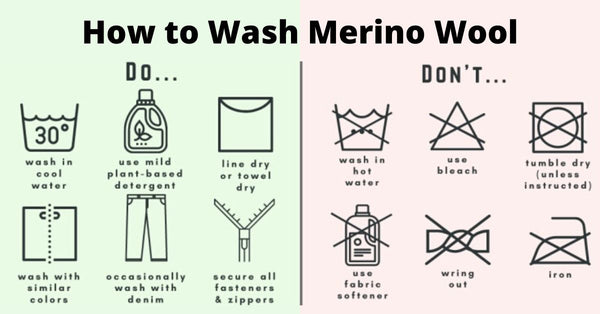
You’re staring at your favorite wool sweater, wondering if the washing machine is a friend or foe. Machine washing wool can feel like walking a tightrope — one wrong move and poof! The garment shrinks or felted beyond recognition. But here’s the kicker: If you know how to handle it, the washing machine can actually be your wool’s best ally.
Get Your Machine Ready for Wool
Before anything touches water, your washing machine needs a little TLC. A grimy washing machine can be like a dirt magnet for your woolens — and nobody wants that. Regular washing machine maintenance helps avoid accidental grime transfer.
- Front load washer cleaning: Rubber seals and door gaskets tend to trap lint and mildew. Wipe with a vinegar solution once a week.
- Top load washer care: Leave the lid open after use to let it dry and reduce odor buildup.
- Remove odor from washing machine: Run an empty hot water cycle with bleach or a washing machine cleaner monthly.
Straight Talk: How to Machine Wash Wool
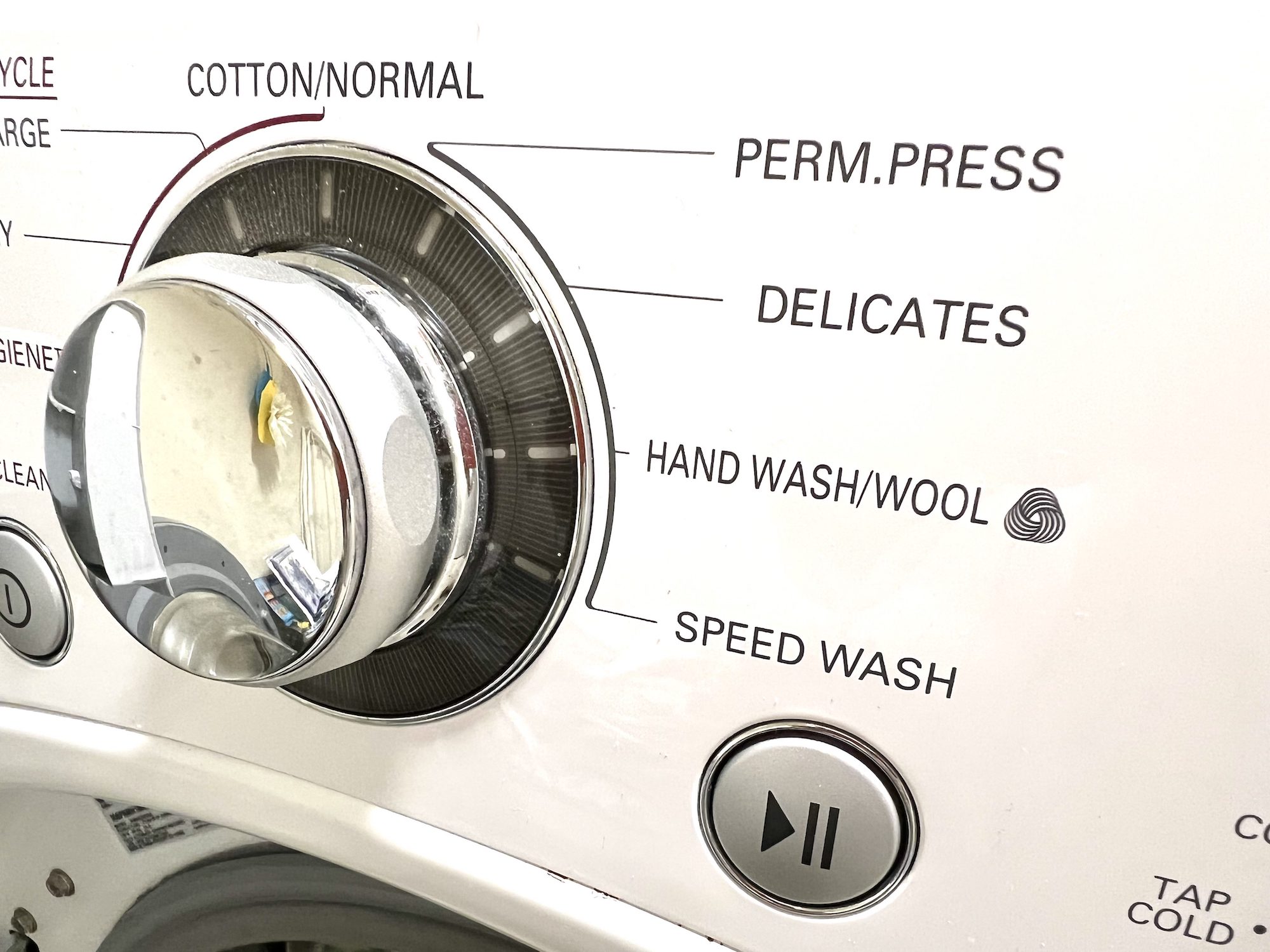
Machine washing wool is not about rushing in — it’s a precise dance. Use a gentle cycle (specially made for delicates or wool, if your machine has that), cold water, and a detergent tailored to wool or delicate fabrics. Skip the bleach and fabric softeners — they’re wool’s enemies.
- Sort your wool: Separate by color and weight to dodge dye transfers and felting.
- Load the machine: Don’t cramp your woolens. They crave space to move gently.
- Choose the cycle: Select “wool” or “delicate” on your washer— Whirlpool highlights this step as a must to avoid harsh agitation.
- Detergent: Use a detergent designed for wool, such as the ones recommended by Smartwool experts to protect fiber integrity.
- Cold water: Warm or hot water spells disaster—shrinking awaits.
If you’re wondering about machine settings, let me tell you this: There’s no room for “standard wash” here. Wool is fussy. It demands a tender touch.
Drying Wool Without the Horror Show
No. Just no to tumble drying. Heat is the wool’s arch-nemesis. After the wash, roll your wool gently in a towel to squeeze out excess water — never twist. Lay flat to air dry, preferably on a dry towel. Trust me, your sweater will thank you.
Source: www.getgreenbewell.com
Source: www.youtube.com
Washing Machine Maintenance Checklist
| Task | Recommended Frequency | Purpose/Benefit |
|---|---|---|
| Clean rubber seals & door gaskets (front load washers) | Weekly | Prevent mold, mildew buildup and odor |
| Run empty hot water and bleach/washing machine cleaner cycle | Monthly | Remove odor, kill bacteria, keep machine fresh |
| Leave top load washer lid open post-use | After every cycle | Allow drying, reduce moisture buildup |
| Clean detergent dispenser | Monthly | Avoid detergent residue clogs |
| Check & clean lint traps | Monthly | Maintain optimal water flow & machine efficiency |
Wrapping It Up, Wool Style
Machine washing wool isn’t a doomsday scenario when you treat it like fine china. Careful sorting, the right cycle, cold water, and a gentle detergent will keep your wool cozy without the catastrophe. And don’t neglect your washing machine itself — a well-maintained machine plays a serious role in protecting your garments and preventing smelly mishaps.
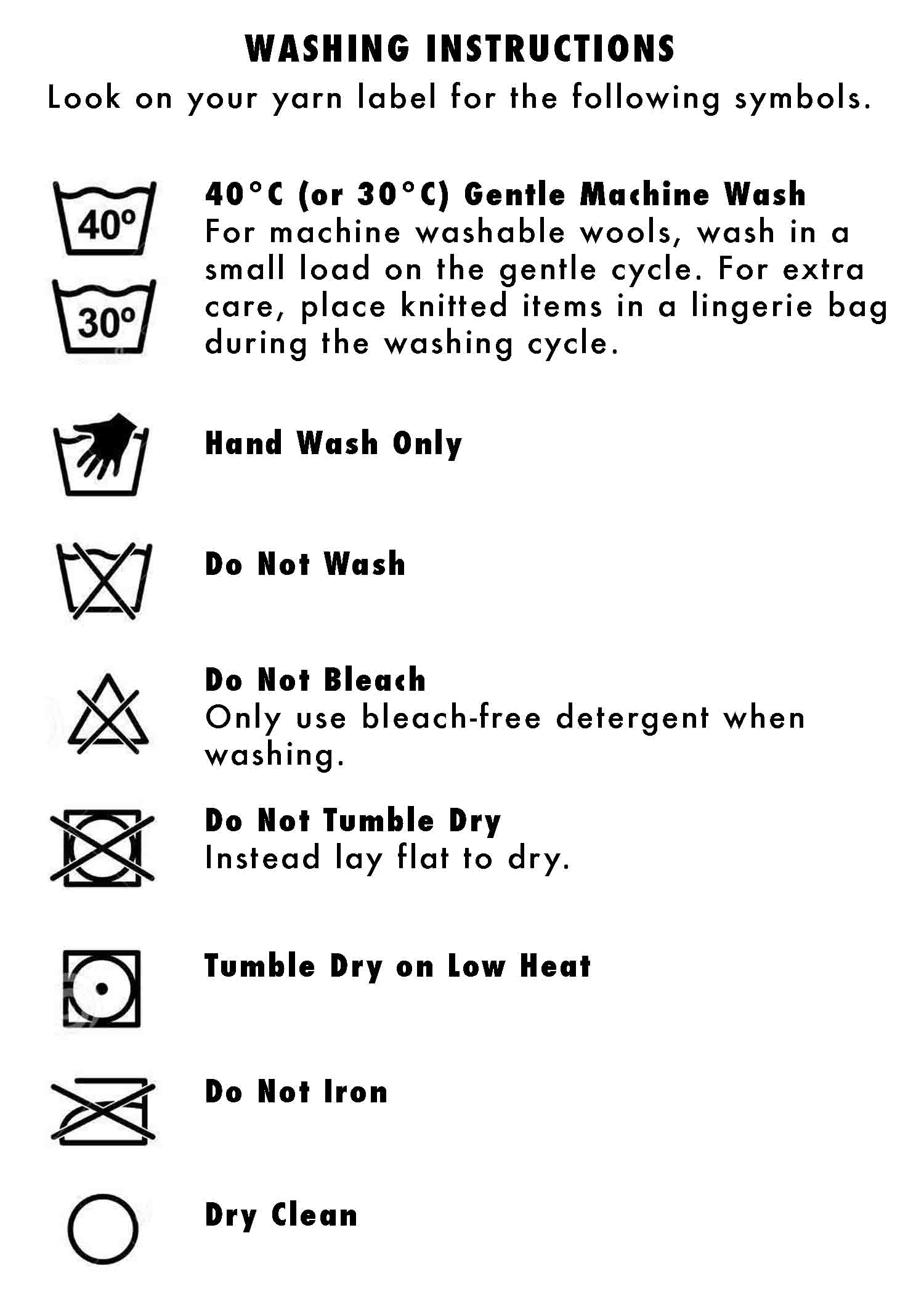
For extra tips straight from the source, peek at The Woolmark Company’s guide on washing wool. And if DIY isn’t your jam, Susan Fosse’s blog on washing wool safely can walk you through real-world tricks you’ve got to try.
Source: www.worldknits.com
So, next time your wool hoodie looks like it’s about to hit the dirt, toss it right in—but with the respect it demands. Your wardrobe’s MVP deserves nothing less.

Lonnie Clarke believes that taking care of your washing machine starts with what you put into it. As a former textile quality controller, she understands exactly how different fabrics, water temperatures, and detergents interact with your appliance’s drum. She writes our comprehensive guides on preventing mold, choosing the right cycles, and extending the life of your clothes.