
The Role of the Spin Cycle in Washing Machines
The spin cycle is a key part of washing machines. It helps remove water from clothes after washing and rinsing. This speeds up the clothes drying process and lowers energy use. Understanding how spinning works can help you choose the right settings and care for your fabrics well.
Industry consensus indicates the spin cycle uses centrifugal force to pull water out by fast drum rotation. This final spin process is crucial for water extraction washing machine performance. For a deeper understanding of this mechanic, analyzing resources on washing machine drive mechanism provides excellent foundational context.
Choosing the right spin speed setting balances moisture removal with fabric protection. This article explains the importance of the spin cycle and its benefits to laundry drying efficiency.
How the Spin Cycle Works
Spinning uses centrifugal force to remove surface water from clothes. The washing machine drum rotates at high speed, forcing water outward. The water moves through holes in the drum to the outer tub and then drains out.
This water extraction washing machine method leaves clothes damp but not soaking wet. The reduction in moisture helps lower drying time and energy use. Clothes agitation and rinse and spin cycles prepare fabrics for this final step.
Spin timer and rotational speed control how long and how fast the drum spins. Most modern machines let you adjust spin speed for different fabric types or load sizes.
Impact of Spin Speed Settings
Spin speed is measured in revolutions per minute (RPM). Common speeds range from 600 to 1400 RPM or higher. Higher spin speeds remove more moisture but can increase noise level and stress on fabrics.
Delicate clothes need lower spin speeds to protect fibers. Heavy items like towels or jeans benefit from faster spin cycles to cut drying time. Machines often offer spin cycle functions tailored to different fabric care needs.
Proper washing machine balancing during spin keeps noise and vibration low. When loads are uneven, machines may stop spinning or slow down to prevent damage.
Below is a table showing typical spin speeds and their effects on moisture removal and fabric care.
| Spin Speed (RPM) | Water Extraction (%) | Fabric Type | Noise Level |
|---|---|---|---|
| 600 | 50-60% | Delicates, Wool | Low |
| 800 | 60-70% | Mixed Loads | Moderate |
| 1200 | 70-80% | Durable Fabrics | High |
| 1400+ | 80-90% | Heavy Towels, Jeans | Very High |
Adjusting spin speed helps optimize energy consumption and fabric protection. Choosing the right setting improves wash efficiency and laundry care instructions compliance.
Benefits of the Spin Cycle
The spin cycle offers many advantages. It reduces clothes drying time, which saves energy and money. Removing surface water quickly lowers the need for long dryer use or air drying.
Spin cycles also help maintain fabric quality by reducing water weight during handling. This lessens wear and tear on clothes. Effective moisture removal washing machine designs improve overall laundry care.
In addition, the spin cycle shortens total cycle duration. This means faster wash loads and better time management for users.
Here is a quick checklist of spin cycle benefits:
- ✅ Speeds up laundry drying
- ✅ Reduces energy consumption
- ✅ Protects fabric fibers
- ✅ Improves wash efficiency
- ✅ Shortens cycle duration
Managing Noise and Load Balancing
Spinning at high speeds can cause noise during washing. This comes from motor work, drum rotation, and load movement. Balancing the washing machine load is key to reducing noise and shaking.
Load balancing sensors detect uneven weight and adjust drum rotation. Some machines pause or slow the spin cycle to protect parts. Properly loading clothes by size and weight helps maintain machine balance during spin.
If your washing machine noise during spin is loud or shaking is violent, check for load imbalance or worn motor parts. Fixing these issues improves spin efficiency and machine lifespan.
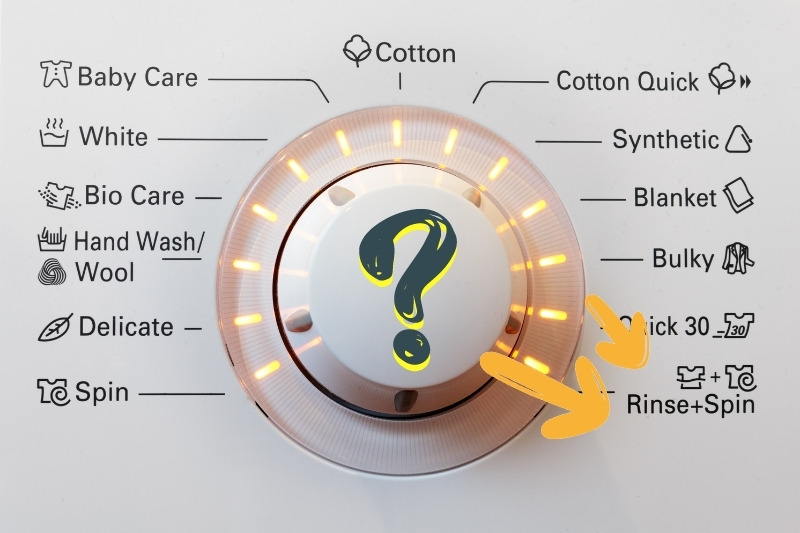
Spin Cycle in Different Washing Machine Types
Top load and front load machines use different spin cycle designs. Front loaders spin faster and more efficiently, thanks to their horizontal drum rotation. This uses centrifugal force better to extract water.
Top load washers may use agitators for clothes agitation but often spin slower. However, some high-end top loaders now match front loaders in spin speed and moisture removal efficiency.
Understanding your machine type helps you select suitable spin settings. This also affects how much moisture remains after the cycle.
For fabric-specific washing advice, see this guide on how to wash wool jumper machine. It explains spin cycle care for delicate wool fabrics.
Energy Usage and Environmental Impact
By removing water efficiently, the spin cycle lowers the energy needed for drying. This cuts overall power use and reduces your carbon footprint. Laundry drying efficiency is key to energy savings in modern homes.
While faster spin speeds use more energy briefly, the net gain from shorter drying times outweighs this. Choosing eco-friendly spin cycles balances energy use and fabric care.
Smart washing machines now adapt spin cycles based on load size and fabric type. This improves water extraction washing machine eco-friendliness without damaging clothes.
Common Spin Cycle Issues and Solutions
Sometimes, the washing machine may not spin properly. This can be due to load imbalance, clogged drainage, or motor problems. Uneven or bulky items often cause the machine to stop spinning.
To fix spin cycle problems, redistribute laundry evenly. Check for blockages in the drain hose or filter. If issues persist, consult a technician or follow guides on how to fix a washing machine that won t spin.
Regular maintenance ensures smooth drum rotation and reliable spin cycles. Clean filters and check motor function to avoid noise and wear.
Conclusion
The spin cycle plays a vital role in washing machines. It removes excess water using centrifugal force and drum rotation. This speeds up drying time and cuts energy use.
Choosing the right spin speed protects fabric and reduces noise during spinning. Proper load balancing prevents shaking and extends machine life.
Modern washing machines offer many spin cycle functions to match fabric care needs and improve wash efficiency. Understanding this process helps users get the best results and save time and energy.
For more insights on washing machine parts and care, check out our article on what is a drum of a washing machine.
Frequently Asked Questions
What is the main purpose of the spin cycle in a washing machine?
The spin cycle removes excess water from clothes by spinning the drum at high speeds. This helps reduce drying time and energy use.
How does centrifugal force help during the spin cycle?
Centrifugal force pushes water out of clothes to the drum sides. This separates water from fabric, making clothes less wet after washing.
Can spin speed settings affect fabric care?
Yes, higher spin speeds remove more water but may stress delicate fabrics. Lower speeds are gentler but leave more moisture.
Why do some washing machines make noise during the spin cycle?
Noise can come from the motor, drum rotation, or load imbalance. Proper load balancing reduces shaking and noise.
Does the spin cycle impact washing machine energy usage?
Yes, effective spinning cuts drying time, lowering overall energy use. However, very high spin speeds may use more motor power.

Roger Jacobs is a seasoned appliance expert with over 15 years of experience in the washing machine industry. He specializes in product reviews, energy efficiency, and innovative washing technologies, providing users with trustworthy insights to make informed purchasing decisions.