
Introduction to Detergent Pods and Washing Machines
Detergent pods are popular for their ease of use in laundry. They offer a pre-measured dose of detergent that is designed to dissolve in water during the washing cycle. However, many users wonder if these pods can cause problems for their washing machines. This article will examine the impact of laundry detergent pods on washers and offer tips on how to avoid common issues.
For those curious about washing machine care and the effects of detergent choices, the guide on what to do with old washing machine provides helpful context on machine maintenance and lifespan.
Understanding the relationship between pods and washing machine problems is key to keeping your laundry running smoothly.
Do Laundry Pods Cause Damage to Washing Machines?
Industry consensus shows that detergent pods themselves are not inherently harmful to washing machines. However, issues arise when pods do not dissolve fully. Undissolved pods can leave residue buildup inside the washer drum or clog the detergent dispenser. This buildup can cause washing machine malfunctions or unpleasant odors.
Pods that clog the dispenser or drum can lead to mechanical problems, especially in front load washers where water flow is more precise. Over time, residue can create sticky layers that trap dirt and cause fabric staining.
Using pods in the right way generally prevents damage. It is crucial to follow manufacturer instructions and use appropriate wash temperatures for the pods to dissolve properly.
Laundry Detergent Pod Residue and Washing Machine Issues
Residue buildup from pods is a common complaint. If pods do not dissolve fully, leftover detergent can coat the washer drum and fabric. This residue can cause clothes to look stained or feel sticky. It can also promote bad odors inside the machine.
Pods may also clog the detergent dispenser in some washers. This clogging can make the dispenser less effective and cause washing machine maintenance issues. Regular cleaning of the dispenser helps avoid this problem.
Some top load washers face more problems with pods because of faster, less turbulent wash cycles. In contrast, front load washers often manage pods better but still require care.
For detailed cleaning advice, see the step-by-step guide on how to clean the washing machine top loader. This resource offers practical tips to remove buildup and odors.
⭐ Expert Insight: Washing machine lifespan can be shortened by frequent residue buildup. Regular maintenance and using the correct pod type for your washer model help prevent damage and keep your machine running longer.
Why Pods Sometimes Fail to Dissolve
Pods need warm or hot water to dissolve fully. Cold water cycles or quick wash settings may not provide enough time or heat. This results in pods breaking apart only partially, leaving detergent pieces inside the drum.
The design of some washers also affects pod dissolving. Top load washers with low water levels or short cycles may struggle to dissolve pods well. Front load washers tend to use less water but more agitation. This often helps pods dissolve better.
Using pods in the right wash cycle and temperature is a best practice detergent pods tip. Avoid overloading the washer to allow water and detergent to circulate properly.
Pods Versus Liquid Detergent: Which is Better?
Both pods and liquid detergents have pros and cons. Pods offer convenience and precise dosing. They reduce the chance of using too much or too little detergent. Pods also cut down on spills and mess.
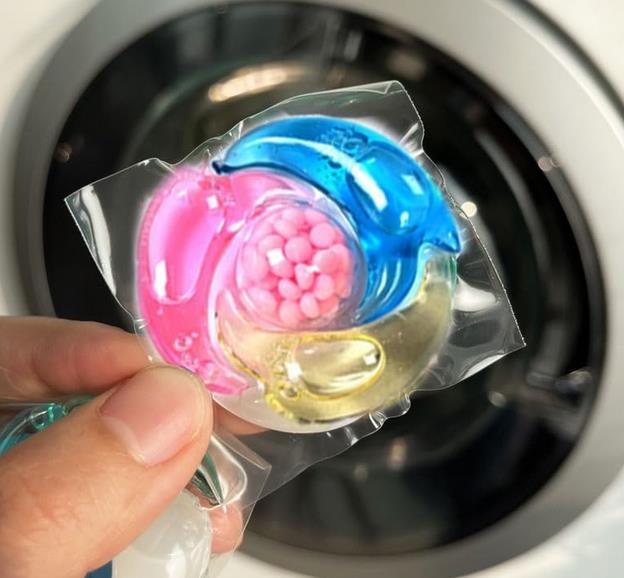
Liquid detergent is more flexible. You can adjust the amount to match your load size and soil level. Liquids tend to dissolve more easily in cold water and may cause less residue buildup.
Some users report that pods leave stained spots on washed clothes if not used correctly. This happens when undissolved pod fragments come in direct contact with fabrics.
⚖️ Pros & Cons
- ✅ Pods: Easy to use, mess-free. But may not dissolve fully in cold or short cycles.
- ✅ Liquid detergent: Adjustable dosing and better dissolution. But can be messy and easy to overuse.
Washing Machine Maintenance Tips for Pod Users
To keep your washer in top shape when using pods, follow these tips:
- Use warm water cycles to help pods dissolve completely.
- Place pods directly inside the washer drum, not the detergent dispenser.
- Do not overload the machine. allow space for water and detergent to circulate.
- Clean the detergent dispenser regularly to prevent clogging.
- Run a maintenance wash with vinegar or a washing machine cleaner monthly.
These steps reduce residue buildup and odors that pods can cause.
For a deeper understanding of this mechanic, analyzing resources on laundry pods and washing machine issues provides excellent foundational context.
Pods and Washing Machine Warranty: What to Know
Some washing machine warranties may not cover damage caused by improper use of detergent pods. Manufacturers may state that using pods in ways not recommended can void warranty claims. This includes damage from clogging or residue buildup.
Always check your washer’s warranty information for specific guidelines on detergent use. Following manufacturer advice helps protect your investment.
Alternative Detergent Options
If you want to avoid pods altogether, there are other detergent options. Liquid detergent remains the most common alternative. Powder detergent is also available but may leave more residue if not used properly.
Eco-friendly detergents with fewer harsh chemicals are growing in popularity. These tend to be gentler on washing machines and fabrics.
Choosing the best detergent depends on your washing machine type, water temperature. And personal preferences.
Summary and Best Practices for Using Detergent Pods
Detergent pods can be safe and effective if used correctly. Key points to remember:
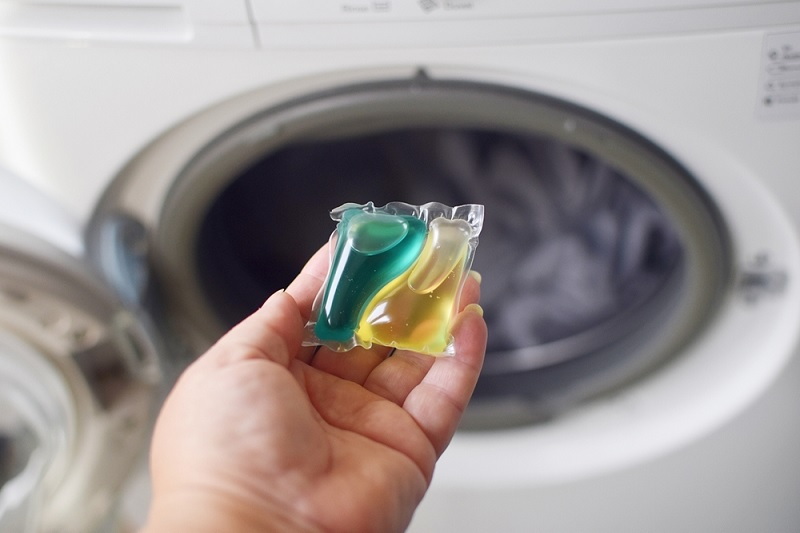
- Use warm or hot water to help pods dissolve fully.
- Place pods inside the drum, not in the dispenser.
- Do not overload your washer.
- Clean your machine regularly to avoid buildup.
- Check your machine’s warranty for pod use guidelines.
Following these best practices detergent pods tips helps avoid common washing machine malfunctions and odors.
Maintaining your washer and choosing the right detergent type will keep your clothes clean and your machine working well for years.
Visual Data: Common Washing Machine Issues Linked to Pods
| Issue | Cause | Washer Type Affected | Solution |
|---|---|---|---|
| Residue Buildup | Pods not dissolving fully | Top load, Front load | Use warm water, clean drum regularly |
| Clogged Dispenser | Pod fragments clogging | Front load mainly | Clean dispenser monthly |
| Fabric Staining | Undissolved pod contact | All types | Place pod in drum, avoid cold quick cycles |
Understanding these common problems helps users take action to protect their washers.
Regular maintenance and proper pod use lead to better washing results and longer machine lifespan.
Cleaning Tips for Washing Machines Using Pods
To keep your washing machine fresh and odor-free, regular cleaning is vital. Pods can contribute to odors if residue builds up inside the drum or gasket.
Run an empty hot water cycle with a washing machine cleaner or vinegar monthly. Wipe down the rubber seal and door area to remove trapped detergent and dirt.
Also, clean the detergent drawer and filter as recommended by the manufacturer.
| Cleaning Task | Frequency | Recommended Product |
|---|---|---|
| Empty hot cycle cleaning | Monthly | Washing machine cleaner or white vinegar |
| Rubber seal wipe down | Weekly | Damp cloth and mild detergent |
| Detergent drawer cleaning | Monthly | Warm water and brush |
These steps help maintain machine performance and prevent pod-related odors.
Proper cleaning routines extend your washing machine’s life and improve laundry results.
Conclusion
Detergent pods are not inherently bad for washing machines. When used as directed, they clean clothes well and cause minimal issues. However, improper use can lead to residue buildup, clogging, odors. And even affect your machine’s warranty.
Choosing the right wash cycle, water temperature. And pod placement is crucial. Regular washing machine maintenance ensures pods do not cause lasting damage.
If pods do not suit your laundry routine, liquid detergents and eco-friendly options are strong alternatives. With informed choices and care, you can keep your washing machine running smoothly and your clothes fresh and clean for years.
Frequently Asked Questions
Do detergent pods cause damage to washing machines?
Detergent pods can sometimes cause issues like residue buildup or clogging, but if used properly, they usually do not damage washing machines.
What problems can detergent pods cause in top load washers?
Pods may not dissolve fully in top load washers with short cycles or cold water, leading to residue or staining.
How can I prevent detergent pod residue in my washer?
Use the right water temperature, avoid overloading, and place pods directly into the drum to reduce residue.
Are pods better or worse than liquid detergents for washing machines?
Pods offer convenience and dose control but might dissolve less fully than liquids, possibly causing residue or machine odors.
Can detergent pods affect my washing machine warranty?
Some manufacturers warn that improper use of pods may void warranties if pod-related damage occurs.

Roger Jacobs is a seasoned appliance expert with over 15 years of experience in the washing machine industry. He specializes in product reviews, energy efficiency, and innovative washing technologies, providing users with trustworthy insights to make informed purchasing decisions.