How To Clean My Keurig Machine
Stop Brewing Sadness. How To Clean My Keurig Machine: The Real Deal.
Look, you bought a Keurig. Probably because you’re lazy. Or busy. Or both. The thing is, that little pod-plunging marvel? It gets gross. Like, really gross. If you haven’t cleaned it in, say, six months? You’re basically drinking flavored hot water over a petri dish. Honestly, it’s a miracle you haven’t croaked. This isn’t your grandma’s drip machine. This thing’s got more nooks and craies than a tax code. You gotta clean it. Or else.
I remember my first Keurig. K-Elite, I think. Bought it back in ’19. Paid like $120. For the first year? Pristine. Made a killer French Vanilla every morning. Then… life happened. Work got crazy. I’d stumble in, shove a pod, hit the button. Didn’t think twice. Until one morning. The coffee tasted… funky. Like old peies and regret. I ignored it. Big mistake. Huge. Fast forward a few weeks. My buddy Dave comes over. He uses my Keurig. Makes a ‘bold’ blend. Takes one sip. Makes this face. You know the face. The one that says, ‘Did you lick a swamp creature?’ Yep. My Keurig was the swamp creature.
Watch: YouTube
The Guts: What You’re Actually Cleaning
It’s not just about the carafe, if you even have one. It’s the whole damn system. Water reservoir? Collects gunk. Pod holder? A breeding ground. Needles? Clogged. Drip tray? You don’t even waa know. The heating element? Probably got limescale thicker than my Uncle Larry’s beard. This isn’t rocket science, but it’s also not ‘wipe it with a damp cloth’ simple. You need a process. A real one.
Part 1: The Quick & Dirty External Wipe-Down
The Exterior Shell.
First off, the obvious. Unplug that sucker. Seriously. Safety first, even for us degenerates. Grab a damp cloth. Microfiber is best. Don’t use harsh chemicals. You’re cleaning, not stripping paint. Wipe down the outside. All the surfaces. Get those fingerprints off. Make it look less like you’re living in squalor. Just slightly less.
The Drip Tray.
This thing? It’s a magnet for coffee spills. And whatever else falls in there. Pull it out. Dump the contents. Wash it with hot, soapy water. Rinse. Dry. Put it back. Took you, what? 90 seconds? Pat yourself on the back. Barely. This is just the appetizer.
The Water Reservoir.
This is where the real fun begins. Take the reservoir off. Empty any old water. Don’t leave stale water in there. That’s just asking for trouble. Wash it out with soap and water. If you’ve got hard water stains? Vinegar helps. But we’ll get to the descaling later. For now, just a good rinse. Make sure it’s dry before you put it back. Dampness breeds nasties.
Part 2: The Internal Deep Dive: Descaling is Non-Negotiable
Why Descale? Because Limescale is a Jerk.
This is the big one. The reason your coffee might be tasting like dirt. The reason your Keurig might be sputtering like an old man with emphysema. Limescale. Mineral deposits from your tap water. They build up. Everywhere. Inside the heating element. Inside the tubes. It’s like cholesterol for your coffee maker. You gotta flush it out. And the best way? Vinegar. Or a dedicated descaling solution. Honestly, vinegar’s cheaper. And it works. Just don’t drink it. Or use it on your salad afterwards.
Watch: Keurig K-Supreme Descaling GUIDE | Step-by-Step to Descale
The Vinegar Method: Simple, Cheap, Effective.
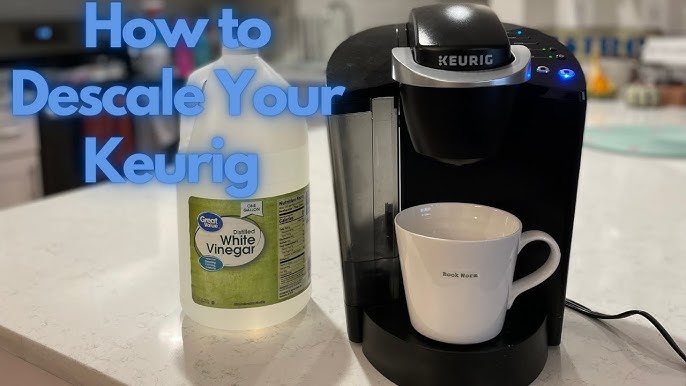
Okay, here’s the drill. Get yourself a big jug of white vinegar. Like, a gallon. You’ll need about half of it. Pour half a gallon of vinegar into the empty water reservoir. Don’t dilute it. Full strength. That’s the point. Shove a big mug under the spout. The biggest one you own. Run a brew cycle. Just water. No pod. Let it brew. It’ll smell. Like a pickle factory exploded. That’s normal. Let it finish. Discard the hot vinegar water. Don’t pour it down the drain. Seriously, it’ll stink up your whole house. Pour it outside. Or in the toilet.
Rinse Cycles. Lots of Rinse Cycles.
Now, rinse. Fill the reservoir with fresh water. Run another brew cycle. Just water. Discard. Repeat. And repeat again. You want to get rid of all that vinegar taste. And smell. How many times? Until it stops smelling like vinegar. Usually 5-6 cycles. Maybe more. Don’t rush this. This is important. You want coffee, not a vinaigrette.
The Pod Holder: Get In There.
This part gets ignored. A lot. Take the pod holder assembly out. Some models you can just pull it out. Others? Might need a little jiggling. Look inside. See that needle? It pokes the pod. It gets clogged. You can use a paperclip. Unbend it. Carefully poke around the needle. Get any coffee grounds out. Or whatever else is jammed in there. Rinse the whole assembly. Use a small brush if you have one. Get into those little crevices. I once found a raisin in there. A RAISIN. Don’t ask. Just clean it.
The Needle. The OTHER Needle.
Your Keurig has two needles. One pokes the top of the K-Cup, one pokes the bottom. Clean both. They get clogged with coffee grounds. Use that paperclip again. Or a toothpick. Be gentle. You don’t want to break anything. Just dislodge the gunk. A quick rinse afterwards doesn’t hurt.
Part 3: Reassembly and Maintenance: Keeping it Clean(ish)
Put It All Back Together.
Once everything’s clean, dry, and rinsed, reassemble your Keurig. Make sure the reservoir is seated properly. Put the drip tray back in. Everything should click into place. It’s not rocket science. Just common sense.
:max_bytes(150000):strip_icc()/how-to-clean-and-descale-keurig-mini-6834333-12-2c02fadca53945e5b7231ce9522af346.jpg "How To Clean My Keurig Machine 3")
Regular Maintenance Schedule: Don’t Be a Dave.
How often should you do this? Depends. How much coffee do you drink? How hard is your water? I aim for a deep clean – the descaling and all that – every 3-6 months. The quick wipe-down? Weekly. The pod holder and needle cleaning? Monthly. You need a system. Or you end up with swamp water coffee. Like I did. It’s a small price to pay for decent coffee. A few minutes every month. It’s not asking much.
What About Keurig’s Descaling Solution?
Yeah, they sell their own stuff. It’s probably fine. It costs more. Is it better? Who knows. It’s designed for Keurigs. Might be gentler on the internals. But honestly? Vinegar works. It’s what people have used for years. The thing is, it’s a business. They gotta sell stuff. If you’ve got a super fancy, brand-new model and you’re paranoid? Go for their solution. Otherwise, save your cash. Use the vinegar.
Keurig Cleaning Pods: Worth It?
These things? They’re basically detergent pods. You toss one in, run a cycle. They claim to clean the inside. Look, they might help a little. With surface stuff. But they’re not going to descale your machine. They’re not going to get into the heating element like vinegar does. They’re a band-aid. A convenient band-aid. But a band-aid nonetheless. For a real clean? You need the deep dive. Don’t fall for the marketing hype. It’s a gimmick.
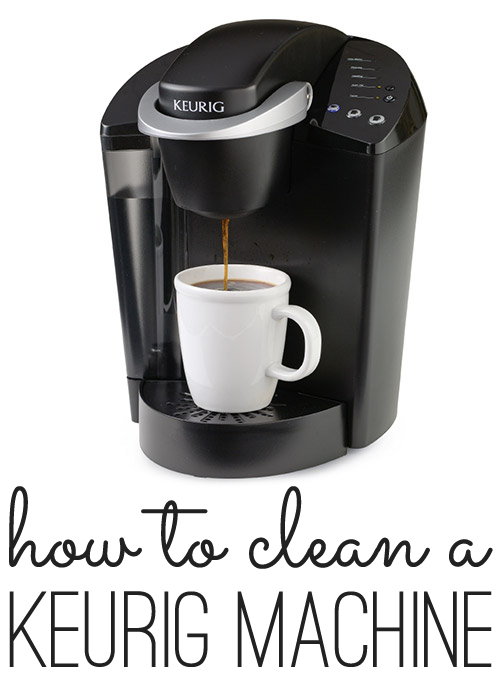
Troubleshooting: When Your Keurig Acts Up
Slow Brewing.
This is almost always a clog. Either in the pod holder, the needles, or the internal tubing due to scale. Time for a deep clean. Focus on those needles. And run that descaling cycle. Don’t ignore it. It won’t fix itself.
Leaking.
Check the water reservoir. Is it seated correctly? Is there a crack in it? Check the seals around the pod holder. Sometimes the internal tubing can get damaged. Or a seal might have failed. If it’s leaking from the base, it could be more serious. Might be time for a new machine. Or a repair, but honestly, repairs often cost more than a new one these days. Especially on older models.
Coffee Tastes Bad.
You guessed it. Descale. Clean the pod holder. Use fresh water. Use fresh beans (if you use ground coffee). The coffee itself matters. But if your machine is dirty? It’ll ruin even the best beans. This is the most common reason. And the easiest to fix. Just clean the damn thing.
A Look at Common Keurig Models and Their Quirks
Not all Keurigs are created equal. Some are simple. Some are complex. Here’s a quick rundown of what to expect:
Watch: The Best Way To Clean and Descale a Keurig!
| Model Family | Common Issues | Cleaning Notes |
|---|---|---|
| K-Classic (K50, K55) | Slow brewing, general gunk buildup | Straightforward descaling. Pod holder is easy to access. |
| K-Elite, K-Cafe | More complex internal pathways, potential for scale | Requires thorough rinsing after descaling. Ensure reservoir is properly seated. |
| K-Slim | Compact design can make some parts fiddly | Accessing needles might require more patience. Regular emptying of drip tray is key. |
| K-Duo (Single Serve & Carafe) | Two brewing systems mean double the potential for issues | Clean both brew heads separately. Descale cycle might be longer. |
The core cleaning process remains the same. Vinegar. Water. Elbow grease. Don’t overthink it. The fancier the machine, the more places gunk can hide. But the basic principles? They don’t change. You gotta flush the system. You gotta scrub the removable parts.
Frequently Asked Questions
How often should I clean my Keurig?
For a deep clean, including descaling, aim for every 3-6 months. A quick external wipe and rinsing the drip tray should be done weekly. Cleaning the pod holder and needles monthly is a good habit.
Can I use bleach to clean my Keurig?
Absolutely not. Bleach is harsh and can damage the internal components of your Keurig. It can also leave a residue that is dangerous to ingest. Stick to vinegar or a Keurig-approved descaling solution.
My Keurig is brewing very slowly, what’s wrong?
This is almost always due to mineral buildup (limescale) inside the machine, especially in the heating element and tubes. You need to descale your Keurig. Also, check the K-Cup holder and needles for clogs.
What is the best way to descale my Keurig?
The most common and effective method is using white vinegar. Fill the reservoir with a 50/50 mix of white vinegar and water (or full vinegar for tougher buildup), run brew cycles, discard, and then run multiple cycles with fresh water to rinse. Keurig also sells its own descaling solution.
How do I clean the K-Cup holder?
Remove the K-Cup holder assembly. Use a paperclip or toothpick to clear any grounds from the exit needle. Rinse the holder and needles under warm water. A small brush can help get into crevices.