How To Clean Coffee Machine With Vinegar
Don’t Be a Grime Goblin: How To Clean Coffee Machine With Vinegar
Look, you spent good money on that coffee machine. Probably north of $50, maybe even $100 if you’re fancy. And what are you doing? Letting it fester. Brewing sludge. It’s revolting. The thing is, most of you just don’t know how to do it right. Or worse, you think you do. Using vinegar? Yeah, it’s the cheap way. It’s the common way. But is it the smart way? Let’s break it down. Honestly, it’s not rocket science, but you’re making it harder than it needs to be. This ain’t your grandma’s percolator, though some of you probably treat it like one. Scale build-up. Mold. Bacteria. All the lovely stuff you’re pouring into your morning jolt. Time to end that. How To Clean Coffee Machine With Vinegar isn’t some black magic. It’s basic maintenance. You wouldn’t drive your car without oil, would you? Same damn principle.
I remember my first apartment. Shared kitchen. Some slob left the coffee machine looking like a petri dish. Seriously. Brown gunk everywhere. I dumped some vinegar in, ran it. Smelled like a salad bar exploded. For days. Didn’t even clear it out properly. Rookie mistake. That’s why I’m telling you this. To save you from the vinegar fumes and the questionable coffee.
:max_bytes(150000):strip_icc()/clean-coffee-maker-with-vinegar-1907384_FINAL-3af08744866e446da1d71fb372e8270c.png "How To Clean Coffee Machine With Vinegar 1")
The Grime is Real, People
What’s actually in that funk? Mineral deposits. Calcium. Magnesium. Hard water’s worst nightmare. It coats everything inside. Your heating element. The water reservoir. The brew basket. It slows everything down. Makes your coffee taste…off. Bitter. Like sadness. And the carafe? Don’t even get me started. Stained. Smelling like yesterday’s dregs. To be fair, even if you have filtered water, you’re not immune. Some scale is inevitable. It’s the nature of the beast. The heat. The water. The constant cycle. It all adds up. And if you’re not cleaning it? You’re drinking your own filth. Nice.
Vinegar: The Cheap Fix. Is it Good Enough?
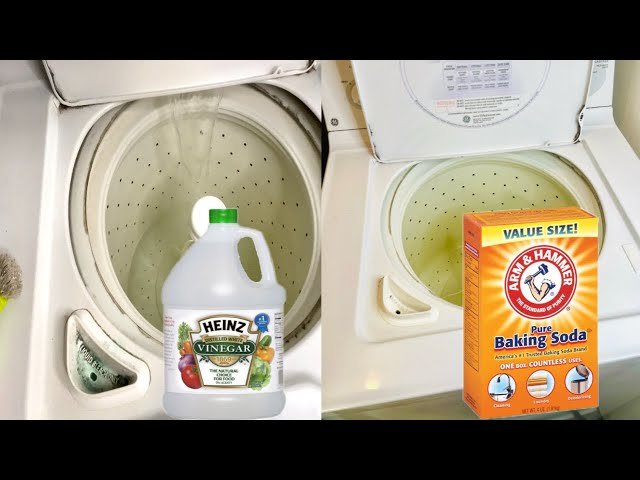
White vinegar. The go-to. Cheap. Accessible. Kills some germs. Dissolves some scale. It’s been the default for decades. But here’s the kicker: it ain’t perfect. It’s acidic, sure. But is it strong enough for heavy build-up? Sometimes. Is it the best option? Hell no. The smell alone. It lingers. It contaminates. You brew coffee, and it tastes faintly of cheap pickles. Gross. And if you’re not careful, you can damage some machines with too much acid. Especially the fancy ones with delicate parts. The thing is, you can use vinegar. But you gotta use it smart. And you gotta rinse. Like your life depends on it. Because, honestly, your coffee-drinking life might.
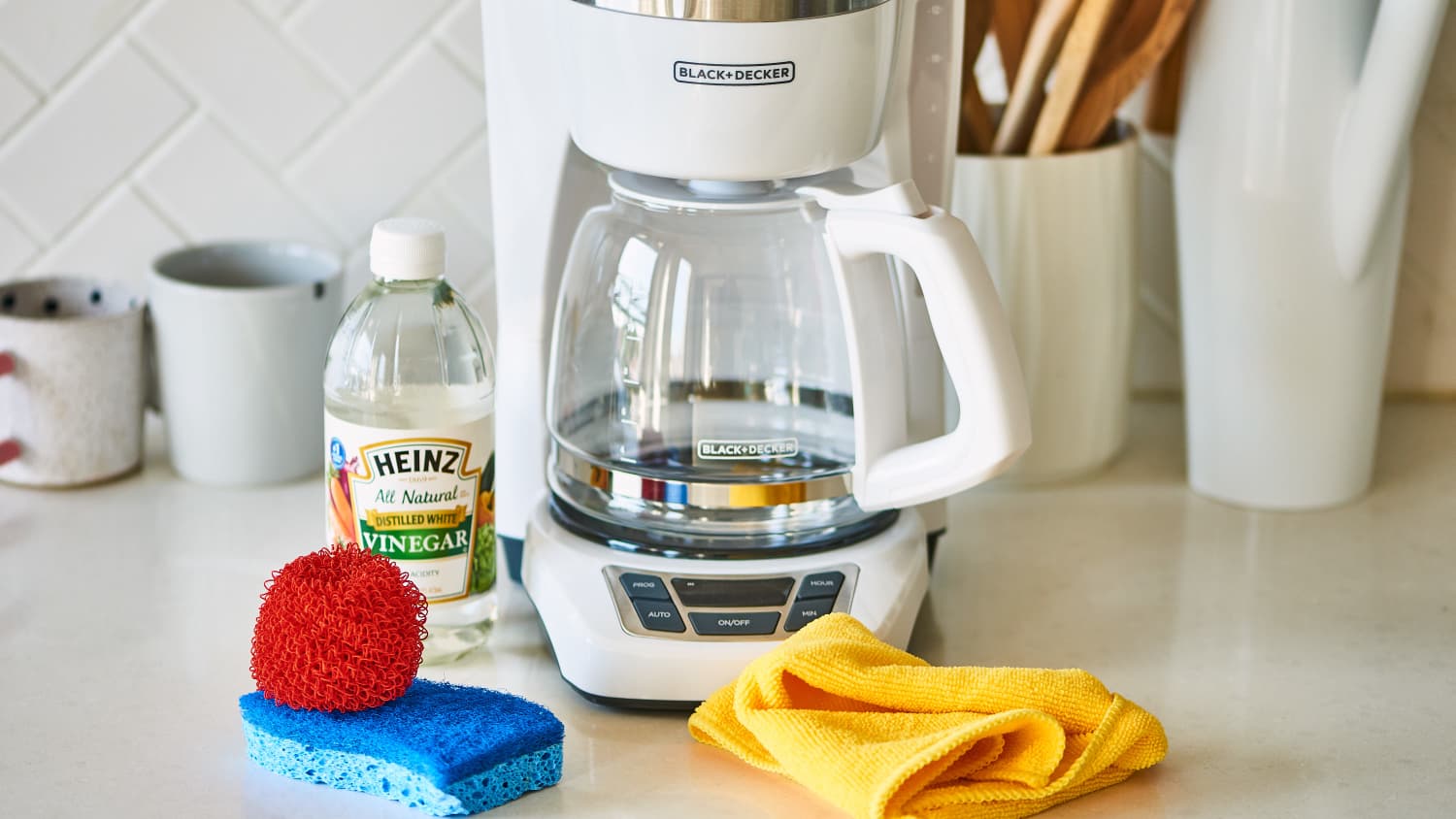
The Vinegar Method: Step-by-Step (The Bare Minimum)
Alright, if you’re committed to the vinegar route, and you can’t be bothered with anything else, here’s the basic rundown. Don’t screw this up.
1. Empty and Prep
Toss any old grounds. Rinse out the carafe and brew basket. Make sure the machine’s cool. No one wants to be scalded by vinegar-infused hot water. That’s a special kind of misery.
2. The Vinegar-Water Mix
This is crucial. Don’t go full-strength vinegar, you maniac. You’ll regret it. A 50/50 mix of white vinegar and water is standard. Fill the water reservoir with this concoction. Equal parts. Easy enough, right? Get it right.

3. Brew Cycle One (The Soak)
Place the empty carafe on the warming plate. Run a brew cycle like you normally would. But stop it halfway through. Let that vinegary water sit in the machine for about 30-60 minutes. This gives the acid time to work its magic. Or, you know, mildly corrode the build-up. Let it soak. Patience, you impatient fiend.
4. Finish the Brew
Let the rest of the vinegar-water mixture brew through. Once it’s done, dump the hot, vinegary liquid. Discard it. Do NOT drink it. Trust me on this one. You’ll learn your lesson eventually, but try not to learn it the hard way.
5. Rinse Cycles (DO NOT SKIP!)
This is where most people fail. They do the vinegar, dump it, and think they’re done. WRONG. You need to run at least two, preferably three, full brew cycles with fresh, clean water. Just plain water. Let each cycle complete. Dump the water each time. You want to get every last drop of that vinegar smell and taste out. This might take a while. Suck it up. Your taste buds will thank you. Your guests might even compliment your coffee.
6. Clean the Removable Parts
While all that rinsing is going on, scrub the brew basket and carafe with warm, soapy water. Use a soft brush or sponge. Get into the nooks and craies. Don’t let those parts become breeding grounds for new nasties. Rinse them thoroughly and let them air dry.
Beyond Vinegar: Better Options Exist
Look, vinegar works. Kind of. But it’s messy. It stinks. And it’s not always effective enough. What else can you do? Better options exist. Don’t be a cheapskate forever. Your coffee deserves better. Your insides deserve better.
1. Dedicated Coffee Machine Descalers
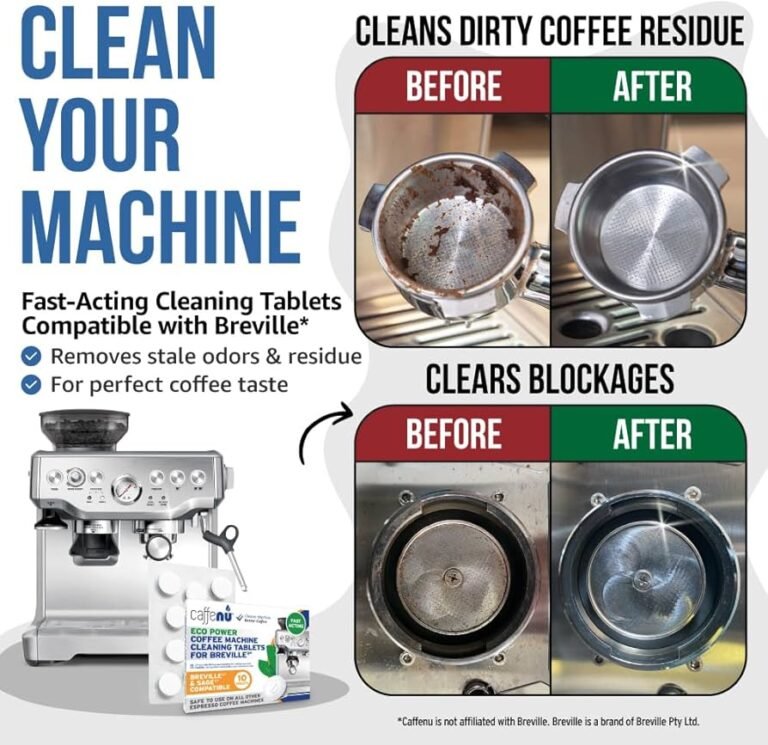
These are specifically formulated for coffee machines. They’re designed to break down mineral build-up without the harsh smell of vinegar. Brands like Urnex, Dezcal, or Caffenu make effective products. You follow the instructions on the bottle. Usually, it’s a similar process: mix with water, run a cycle, rinse thoroughly. The results? Cleaner machine, better-tasting coffee. No pickle aroma. Prices vary, but a good descaler might run you $10-$20. Worth it. Honestly, it’s a no-brainer if you care about your brew.
2. Citric Acid (The Slightly More Sophisticated Choice)
Citric acid powder is another option. You can find it online or in caing sections of grocery stores. It’s a food-grade acid, less pungent than vinegar. Mix about 1-2 tablespoons per quart of water. Run it through your machine like you would the vinegar solution. Soak, brew, dump, and then do multiple fresh water rinse cycles. It’s effective at descaling and leaves less of a lingering odor. Still requires thorough rinsing, though. Don’t get lazy.
3. Baking Soda (For Exterior and Carafe ONLY)
Baking soda is NOT for the internal workings of your coffee machine. Its gritty nature can potentially scratch delicate internal components. However, it’s a fantastic cleaner for the exterior of your machine and for scrubbing stubborn stains out of the carafe. Make a paste with water, apply, scrub gently, and rinse well. It deodorizes too. Good for getting coffee rings out of the carafe. Just don’t put it in the water reservoir.
The Ugly Truth About Dirty Coffee Machines
Let’s talk numbers. A study back in 2011 by NSF International found that the average home coffee maker reservoir can harbor more bacteria than a toilet seat. Yeah. You read that right. More bacteria. Think about that. You’re brewing your morning coffee in what’s essentially a germ farm. That’s not just gross, it’s a potential health hazard. Mold spores. Yeast. E. coli. Salmonella. All possible residents. This isn’t fear-mongering; it’s fact. Neglecting your machine is literally poisoning yourself, slowly.
| Method | Pros | Cons | Effectiveness | Odor |
|---|---|---|---|---|
| White Vinegar | Cheap, readily available | Strong odor, can linger, might damage sensitive parts | Moderate | High |
| Dedicated Descaler | Formulated for machines, effective, less odor | Costs money, requires specific purchase | High | Low |
| Citric Acid | Food grade, less odor than vinegar, effective | Requires mixing, might be harder to find | Moderate to High | Moderate |
| Baking Soda (Exterior Only) | Great for stains, deodorizes exterior | Not for internal use, can be abrasive | N/A (for internal) | Low (for exterior) |
How Often Should You Clean?
It depends. On your water. On how much coffee you brew. But here’s a general rule: aiming for a deep clean (like the vinegar method or using a descaler) at least once a month is a good starting point. If you have particularly hard water, maybe every two weeks. The carafe and brew basket? Wash them daily or after every use. Seriously, just rinse them out. It takes 10 seconds. Don’t be lazy. A quick wipe-down of the exterior while you’re at it. It’s about building habits. Good habits. Not gross habits.
My Own Horror Story (And Yours Might Be Worse)
Okay, so a few years back, I bought this killer espresso machine. Cost me like, $400. Thought I was hot stuff. Used it every single day. But cleaning? I’d just wipe down the steam wand. Maybe rinse the portafilter. The internal plumbing? Ignored. For months. Maybe a year. Until one morning, the shot just… stopped. Like, sputtered. Then came this weird, gritty discharge. Brownish. Smelled… musty. I freaked. Called a repair guy. He opened it up. Said it was clogged with scale and old coffee oils. Looked like a mummy’s tomb in there. Charged me $150 to fix it. Said if I’d cleaned it monthly, it would’ve been a 5-minute job. Lesson learned. Hard. That’s why I’m telling you this now. Don’t be me. Don’t be that guy.
Final Thoughts on the Vinegar Voyage
So, How To Clean Coffee Machine With Vinegar? You can. It’s doable. It’s cheap. But it’s not the piacle of coffee machine hygiene. You trade a bit of smell and potential damage for low cost. For most people, this is probably fine. Just remember the rinse cycles. Don’t skip ’em. Ever. If you want better results, less hassle, and coffee that doesn’t taste like a forgotten science experiment, invest in a proper descaler. Your machine will thank you. Your stomach will thank you. Now go clean your damn coffee maker.
Frequently Asked Questions
Can I use apple cider vinegar instead of white vinegar?
While apple cider vinegar is also acidic, it contains sugars and other compounds that could potentially leave residue or affect the taste of your coffee more than white vinegar. Stick to plain white distilled vinegar for cleaning your coffee machine. It’s the standard for a reason, even with its drawbacks.
Will vinegar damage my coffee machine?
Vinegar is acidic and can potentially damage certain components in some coffee machines, especially those made with aluminum or certain plastics, if used too frequently or at too high a concentration. However, for most standard drip coffee makers, a diluted solution (50/50) used occasionally is generally considered safe, provided you rinse thoroughly afterward. It’s less risky than leaving heavy scale buildup, though.
How often should I descale my coffee machine with vinegar?
For a standard drip coffee maker, descaling with a 50/50 white vinegar and water solution once a month is a common recommendation. If you have very hard water, you might need to do it more frequently, perhaps every two weeks. Overdoing it, however, can lead to potential damage, so moderation is key.
Is it okay to leave vinegar in the coffee machine overnight?
Leaving vinegar in the machine for an extended period, like overnight, is generally not recommended. While a soak for 30-60 minutes during a brew cycle helps break down scale, prolonged exposure to strong acid could potentially degrade seals, plastic components, or heating elements over time. Stick to the recommended soak times.
What’s the best way to get the vinegar smell out of my coffee machine?
The absolute best way to eliminate the vinegar smell is through thorough rinsing. After the vinegar brew cycle, run at least two to three full brew cycles using only fresh, clean water. Some people also find ruing a cycle with just water and a tablespoon of baking soda (then rinsing very well afterward) helps neutralize odors, but ensure all baking soda residue is gone. Proper and frequent rinsing is your best defense.
Watch: How to Clean the Coffee Maker – Martha Stewart