
Understanding Bulky Laundry
Bulky laundry means large or heavy fabric items. These include blankets, comforters, heavy rugs, and curtains. They take up a lot of space in the washing drum and need special care. Using the right washing machine capacity and settings is key to cleaning them well without damage.
Industry consensus indicates that treating bulky fabrics with correct machine cycles and detergent prevents wear. Large laundry loads should not exceed your washing machine capacity to avoid strain on the motor and drum.
For a deeper understanding of this mechanic, analyzing resources on bulky items washing machine setting provides excellent foundational context.
Bulky items often carry laundry care symbols bulky items that guide you on washing and drying. Ignoring these can lead to fabric damage or shrinking.
Bulky Laundry Load Size Guidelines
Washing bulky blankets or comforters needs the right load size. Overloading can cause poor cleaning and drum imbalance. Underloading wastes water and energy. The best washer for bulky laundry usually has a large drum size washing machine, often over 5 cubic feet.
Load balancing bulky items is crucial. Uneven distribution can make the washing machine shake violently or stop spinning. Placing one heavy blanket alone may cause poor rinse and spin cycles.
Bulky load size rules include:
- ✅ Fill the drum about 60% full for even wash.
- ✅ Do not cram multiple heavy rugs or comforters together.
- ✅ Separate heavy fabrics from lighter ones to avoid damage.
These tips help protect your machine and fabrics. For more on load balancing, check our guide on how to balance washing machine.
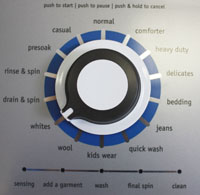
:max_bytes(150000):strip_icc()/how-to-select-the-correct-cycle-2145866_FINAL-10d1b95640284e0a8d01d4523455c7ee-25c018a4c0304212a13315b7ab181e33.png "How to Select Washer Settings for Clothes and Towels (Figure)")
Washing Machine Settings for Bulky Items
Most modern washers have a bulky or large load setting. This adjusts water level, spin speed, and cycle duration. The cycles use more water and gentler agitation to clean heavy laundry materials like thick blankets or curtains.
Spin speed is lowered to avoid fabric damage and keep the drum balanced. Water level is increased to soak bulky fabrics fully. Some machines add extra rinse cycles to remove detergent thoroughly.
Here is a simple comparison of typical settings:
| Setting | Water Level | Spin Speed | Cycle Time |
|---|---|---|---|
| Normal | Standard | High | 30 min |
| Bulky/Large | High | Low/Medium | 45 min |
Use detergent suited for heavy fabrics to avoid residue buildup. Too much detergent can cause fabric stiffness.
For washing bulky comforters or heavy rugs, using the bulky setting prevents machine damage. Learn more tips on how to wash heavy blankets in washing machine.
Bulky Fabric Care and Damage Prevention
Bulky fabric care requires gentle handling. Heavy laundry materials are at risk of tearing or losing shape if washed too roughly. Avoid using harsh detergents or bleach unless the care label allows.
Treating bulky stains before washing helps. Use a stain remover that suits the fabric type. Machine laundry bulky items can trap dirt inside thick fibers if not pre-treated.
Drying bulky fabrics also needs care. High heat tumble drying can shrink or weaken fibers. Instead, use low heat or air dry bulky curtains and rugs to extend their life.
Below is a checklist to keep bulky laundry safe:
- Check laundry care symbols bulky items before washing.
- Pre-treat stains gently.
- Use recommended detergent amounts.
- Select bulky or gentle cycle settings.
- Balance the load evenly in the drum.
- Dry on low heat or line dry.
For more on fabric care, see our article about how to wash soft toys in washing machine.
Best Practices for Washing Bulky Items
When washing bulky blankets or curtains, always start with checking the washing machine capacity. Ensure the item fits loosely inside the drum. Use the bulky or large load setting to adjust water and spin.
Balance washing machine bulky items by adding a few towels or smaller items opposite the bulky piece. This helps the drum spin smoothly and prevents damage.
Here is a step-by-step guide to washing bulky fabrics:
- Check the item’s care label.
- Pre-treat any stains.
- Load the item loosely into the drum.
- Add compatible smaller items for balance.
- Select bulky or gentle cycle.
- Use the right detergent amount.
- After wash, dry according to fabric needs.
Following these steps keeps your bulky laundry clean and your machine safe. For detailed tips on washing large comforters, visit our guide on can I machine wash my down comforter.
Comparison of Washing Machine Capacity for Bulky Laundry
Choosing the right washing machine drum size is key for bulky laundry. Larger drums handle bulky items better without crowding. Here is a comparison table of common drum sizes:

| Drum Size (cu. ft.) | Suitable for | Pros | Cons |
|---|---|---|---|
| 3.5 – 4.0 | Small bulky items | Less water use | Limited space for large items |
| 4.5 – 5.0 | Medium bulky loads | Good balance of size and efficiency | May struggle with very large blankets |
| 5.5+ | Large bulky items | Best for comforters, rugs | Uses more water and energy |
Consider your typical laundry needs when buying a washer. A larger drum helps with bulky fabric care but may increase energy use.
For more on washing machine parts, see our article on what is drum in washing machine.
Drying and Maintenance Tips for Bulky Laundry
Drying bulky fabrics properly keeps them soft and lasts longer. Avoid high heat tumble drying. Instead, use low heat or air dry bulky blankets and curtains.
Clean your washing machine regularly to prevent buildup from heavy laundry materials. Use natural cleaners like vinegar and baking soda or commercial washing machine cleaners.
Below is a pros and cons table for drying methods:
| Drying Method | Pros | Cons |
|---|---|---|
| Tumble Dry Low Heat | Fast and easy | Risk of shrinkage if overheated |
| Air Dry | Preserves fabric shape | Takes longer, needs space |
Regular machine maintenance prevents bulky laundry damage prevention issues like drum wear or mold. Learn how much vinegar and baking soda to clean washing machine for best results in maintenance.
Maintaining your machine and following care tips ensures your bulky laundry stays fresh and your washing machine runs smoothly.
In conclusion, knowing what bulky means in washing machines helps you care for large and heavy laundry. Follow load size guidelines, use the right settings, and balance loads. Take care with drying and maintenance to protect your fabrics and machine. This knowledge saves time and money in 2026 laundry care.
Frequently Asked Questions
What does bulky mean on a washing machine?
Bulky refers to large or heavy items like blankets, comforters, and rugs that need special washing settings.
Can I wash bulky items in any washing machine?
Not all machines can handle bulky items. You need a washing machine with a large drum size and special settings.
How should I load bulky laundry to avoid damage?
Place bulky items evenly and avoid overloading. Use the bulky or large load setting to balance the drum.
What washing machine settings are best for bulky items?
Use settings with low spin speed and more water to reduce fabric damage and keep load balanced.
How do I dry bulky fabrics safely?
Tumble dry on low heat or air dry. Overdrying can damage fibers and shrink bulky fabrics.

Roger Jacobs is a seasoned appliance expert with over 15 years of experience in the washing machine industry. He specializes in product reviews, energy efficiency, and innovative washing technologies, providing users with trustworthy insights to make informed purchasing decisions.