
Understanding Washing Machine Filters
Many people do not realize washing machines have filters. These filters catch lint, debris. And other particles from clothes during the wash. They protect the machine’s drain pump and prevent blockages. Proper washing machine maintenance includes regular cleaning of these filters.
There are different washer filter types. Some catch lint like a clothes lint trap washer. Meanwhile, others protect the water pump by filtering water before it drains. For a deeper understanding of this mechanic, analyzing resources on washing machines have filters provides excellent foundational context.
Knowing about the washing machine filter location helps users avoid common washer filter blockage symptoms. This knowledge supports simple DIY washing machine repair tasks and saves costly appliance repair visits.
Washer Filter Basics and Importance
The washing machine lint filter is key to catching fibers and debris from clothes. This keeps the filter mesh clean and prevents a washing machine clogged filter. Without this, lint can clog the washer drain pump filter or the water pump itself.
Filter maintenance not only keeps water drainage smooth but also improves washing machine performance issues. Regular filter cleaning aids in extending the machine’s life and reduces energy use.
Washing machine filter benefits include better washing cycle efficiency and less wear on the pump motor. This highlights the importance of washing machine filters in home appliance maintenance tips.
Different washer filter types suit wet and dry washing machines. For example, some dryers have a dryer lint trap, similar in purpose but different in design. Understanding these differences helps with proper care.
Locating Your Washing Machine Filter
Finding the washing machine filter location can vary by model and brand. Many top loaders have a filter inside the agitator or near the washer hose connection. Front loaders often place filters behind a small panel at the bottom front.
Checking the washing machine manual is the best way to find the exact filter trap and filter housing. This avoids damaging the filter cover or filter gasket during cleaning.
For models like Maytag, their guide on how to find and clean a washing machine filter offers clear steps on locating and maintaining the filter.
Symptoms of a Clogged Washing Machine Filter
Recognizing washer filter blockage symptoms is key to timely maintenance. Common signs include slow or incomplete water drainage and odd noises during the washing cycle. Sometimes, water may leak from the filter cover area.
Other symptoms are clothes not getting clean due to detergent residue buildup or a foul smell from the washing machine drum. These issues often trace back to a clogged filter or pump motor strain.
Ignoring these signs can cause bigger problems like pump failure or water drainage issues. Checking for these symptoms regularly supports long-term washer function.
Cleaning and Maintaining Your Washing Machine Filter
Cleaning washing machine filter regularly is essential for smooth operation. Most experts advise cleaning every 1 to 3 months depending on use. This involves removing the filter cover, taking out the filter screen. And rinsing it under running water.
In some cases, using a soft brush helps remove trapped lint and detergent residue. After cleaning, reassemble the filter housing correctly to avoid leaks.
Here is a step-by-step guide to clean the filter:
- Turn off and unplug the washing machine.
- Locate the filter access panel or door.
- Place a shallow tray or towel to catch water.
- Open the filter cover carefully.
- Remove the filter screen and clean it thoroughly.
- Inspect for damage or wear on the filter gasket.
- Reinstall the filter and close the cover securely.
- Run a short wash cycle to check for leaks.
This simple process is a top DIY washing machine repair task that helps prevent washing machine water drainage problems.
Filter Replacement in Washers: When and How
Filters do not last forever. Signs of damage, such as cracks or torn mesh, show when replacement is due. Some filters come with a recommended lifespan in the washing machine manual.
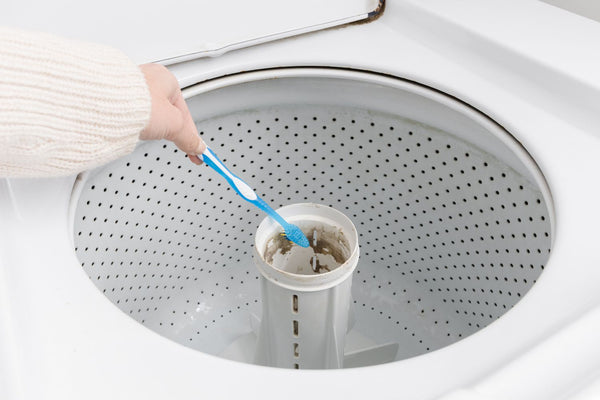
Replacing the filter is similar to cleaning but requires buying a compatible part. Using the correct filter ensures the pump motor and washing machine drum stay protected.
Always use genuine parts or trusted replacements to maintain washing machine performance. If unsure, contacting professional appliance repair is advised.
Comparison of Washer Filter Types
| Filter Type | Location | Function | Common Models |
|---|---|---|---|
| Lint Filter | Inside agitator or near hose | Catches lint and fibers | Top-loading washers |
| Drain Pump Filter | Bottom front panel | Protects water pump from debris | Front-loading washers |
| Combined Filter | Integrated in pump assembly | Filters lint and protects pump | Some wet and dry models |
Knowing these types helps choose the right cleaning and maintenance steps, avoiding washing machine filter cleaning frequency errors.
Benefits of Regular Washing Machine Filter Care
Keeping the filter clean improves water drainage and reduces energy use. It lowers the risk of pump motor damage and costly repairs. Clothes come out cleaner with fewer lint particles left behind.
Regular care also prevents bad smells that come from clogged filters and detergent buildup. This enhances the overall laundry experience and machine longevity.
For more home appliance maintenance tips, regularly inspecting and cleaning the filter is a smart habit. It fits well within general washing machine maintenance routines.
Recommended Washing Machine Filter Cleaning Schedule
| Usage Level | Cleaning Frequency | Notes |
|---|---|---|
| Light Use (1-3 loads/week) | Every 3 months | Check for blockages before each cleaning |
| Moderate Use (4-6 loads/week) | Every 2 months | Clean more often if lint build-up noticed |
| Heavy Use (Daily) | Monthly | Inspect filter gasket and housing regularly |
Following these timelines prevents washing machine clogged filter issues and maintains smooth washing cycles.
Troubleshooting Washer Filter Issues
If your washing machine shows water drainage problems or unusual sounds, the filter may be blocked. Start by cleaning the filter and checking the filter gasket for cracks.
Another step is to check the washer hose for kinks or blockages. If problems persist, testing the pump motor or consulting the washing machine manual can help diagnose deeper issues.
For complex cases, professional appliance repair is recommended. However, many filter cleaning tasks are simple enough for DIY washing machine repair.
Washer Filter Troubleshooting Guide
| Problem | Possible Cause | Solution |
|---|---|---|
| Slow Water Drainage | Clogged filter or hose | Clean filter and check hose |
| Unusual Noises | Blocked pump or filter | Remove debris and clean filter |
| Water Leak Near Filter | Damaged filter gasket or loose cover | Replace gasket and tighten cover |
| Clothes Not Clean | Detergent residue in filter | Clean filter and run empty wash cycle |
Using this guide, users can quickly fix common washing machine filter problems and improve appliance life.
Conclusion: Why Washing Machine Filters Matter in 2026
Washing machine filters are vital parts of modern washers. They prevent lint buildup, protect the drain pump. And keep water flowing well. Regular cleaning and occasional replacement keep your washing machine working at its best.
Following simple maintenance steps helps avoid common washing machine performance issues. It also supports longer machine life and better laundry results. Remember, understanding your washer filter types and location is the first step to good care.
For advice on cleaning your machine and more tips, see our guide on why does my washing machine smell rotten eggs. This resource offers helpful insights into related appliance care.
Keeping your washing machine’s filters clean and healthy is a small effort that pays off big in 2026 and beyond.
Frequently Asked Questions
Do all washing machines have lint filters?
Most modern washing machines include lint filters, but their location and type can vary. Some models, especially front loaders, may have hidden or combined filters.
Where is the washing machine filter located?
Filters are often found near the washer drain pump or behind a small door at the front or bottom of the machine. Checking the washing machine manual helps locate it.
How often should I clean the washing machine filter?
Industry experts recommend cleaning the filter every 1 to 3 months to avoid clogging and maintain washing machine performance.
What are signs of a clogged washing machine filter?
Symptoms include slow water drainage, unusual noises from the pump motor, and poor washing cycle performance.
Can I replace the washing machine filter myself?
Yes, many filters are designed for DIY replacement. However, following the manufacturer’s instructions ensures correct filter replacement and prevents damage.

Roger Jacobs is a seasoned appliance expert with over 15 years of experience in the washing machine industry. He specializes in product reviews, energy efficiency, and innovative washing technologies, providing users with trustworthy insights to make informed purchasing decisions.