
Introduction to Feather Pillow Washing
Feather pillows offer comfort and support but need care to last. Many ask if machine washing feather pillows is safe. Understanding the right washing methods helps maintain pillow fluff and lifespan. This guide covers safe washing tips and care instructions to keep your pillows fresh.
For a deeper understanding of feather pillow cleaning, analyzing resources on feather pillow care instructions provides excellent foundational context.
Knowing how to clean feather pillows properly can save money and keep your sleep healthy.
Is Machine Washing Feather Pillows Safe?
Industry consensus indicates that washing feather pillows in a machine is safe when done correctly. Use a gentle cycle with cold water to protect the delicate feathers and fabric cover. Avoid hot water as it can damage the feathers and cause clumping.
Using the right detergent is vital. Choose a mild, gentle detergent without bleach or fabric softeners. These chemicals can weaken feather filling and harm the fabric.
Ideal Washing Machine Settings for Feather Pillows
Set your washing machine to a gentle or delicate cycle. This cycle reduces agitation, which helps prevent feather damage. Use cold water to avoid shrinking or weakening the pillow.
A slow or low spin cycle helps remove water without stressing the feathers too much. Over spinning can break the down feathers or cause the pillow to lose shape.
Always wash two pillows together. This balances the load and improves the washing machine’s performance.
For further home laundering tips, see this guide on can you wash duvet washing machine which shares useful laundering advice relevant to feather products.
Best Detergent and Removing Stains from Feather Pillows
A mild, liquid detergent is best for feather pillows. Powder detergents can leave residue that clumps feathers. Avoid bleach and fabric softeners as they degrade the pillow’s filling.
For stains, spot clean before washing. Use a small amount of gentle detergent mixed with water and dab the area. Avoid soaking the pillow too much as this can harm the feathers.
:max_bytes(150000):strip_icc()/how-to-clean-and-care-for-feather-bed-pillows-9367-6452c5048fd846389285b71b6c59e559.jpg "How to Wash a Down Pillow at Home (Figure)")
Natural stain removers like baking soda or white vinegar can help but test on a small area first to avoid fabric damage.
Drying Feather Pillows After Washing
Proper drying is crucial to prevent mold and restore fluffiness. Tumble dry pillows on low heat or air dry them completely. High heat can damage feathers and fabric.
Adding clean tennis balls or dryer balls during drying helps break up clumps and restores loft. Fluff pillows frequently as they dry to avoid clumps and speed up drying.
Never leave feather pillows damp. This leads to mold growth and bad odors.
Feather Pillow Washing Frequency and Maintenance Tips
Washing feather pillows every six to twelve months is standard. More frequent washing can stress the feathers and reduce pillow life.
Regular fluffing and airing pillows between washes help maintain their shape and reduce allergens. Using pillow protectors prevents dirt and sweat from reaching feathers.
Store pillows in a dry place to prevent moisture buildup and mold.
Step-by-Step Home Washing Feather Pillows Guide
Follow these steps to wash feather pillows at home:
- Check the pillow care label for specific instructions.
- Pre-treat stains with mild detergent or spot cleaner.
- Place two pillows in the washing machine to balance the load.
- Use cold water and gentle cycle settings.
- Add mild liquid detergent; avoid bleach or fabric softeners.
- Run a slow spin cycle to remove excess water gently.
- Dry pillows on low heat with dryer balls for fluff.
- Fluff pillows by hand regularly during drying.
Following this guide keeps pillows clean and fluffy without damage.
Washing vs Dry Cleaning Feather Pillows
Dry cleaning feather pillows is an option but often unnecessary. Washing at home with the right methods is effective and less costly.
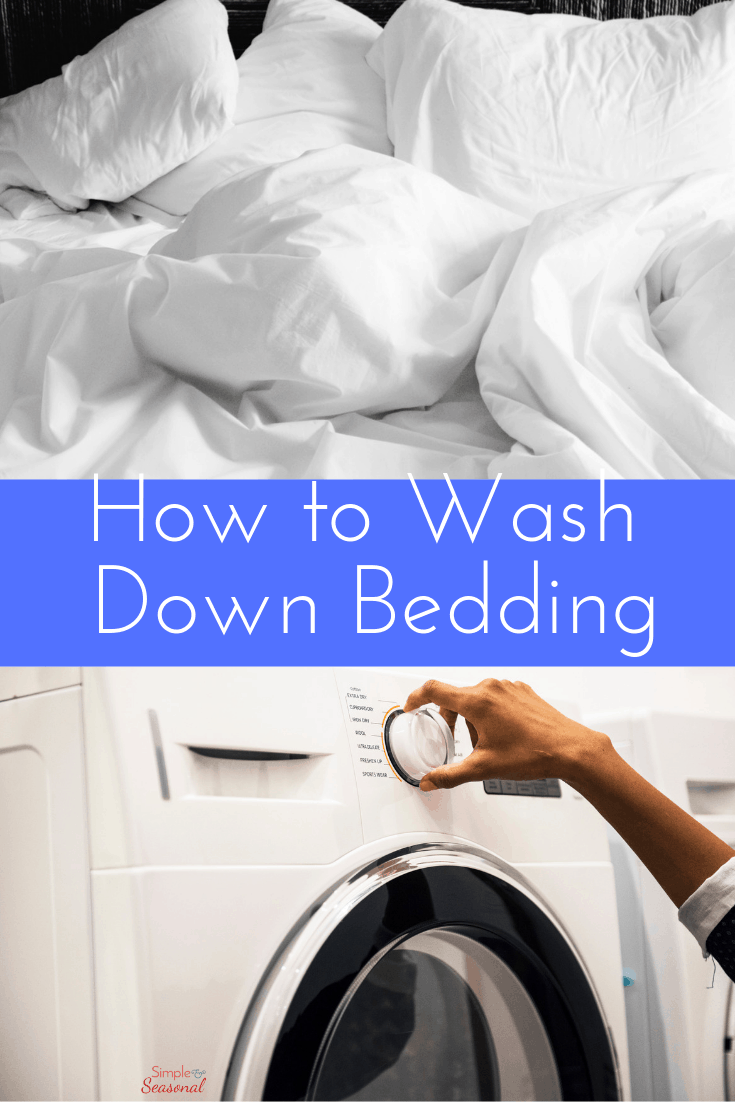
Dry cleaning might be best for very old or delicate pillows that could be harmed by water. However, many pillows dry cleaned lose some softness and take longer to dry.
Risks and Myths About Washing Feather Pillows in Machines
Some believe that washing feather pillows damages the feathers or causes mold. These risks appear only if washing or drying is done incorrectly.
Proper drying prevents mold. Using gentle cycles and mild detergent protects the feathers from damage. Avoid myths that feather pillows cannot be washed at home; correct home laundering is safe and effective.
Feather Pillow Allergy Considerations and Mold Prevention
Feather pillows can harbor allergens like dust mites. Washing pillows regularly helps remove allergens and dust.
To prevent mold, dry pillows completely and store them in a dry, ventilated place. Using pillow protectors also reduces allergen buildup and protects feathers from moisture.
For natural cleaning methods, spot cleaning with vinegar or baking soda can freshen pillows without harsh chemicals.
Top Feather Pillow Maintenance Tips
- ✅ Fluff pillows daily to keep feathers lofted.
- ✅ Use pillow protectors to reduce dirt and sweat.
- ✅ Avoid high heat drying to protect feather filling.
- ✅ Wash pillows every 6-12 months to keep them clean.
- ✅ Air pillows outside regularly to reduce odors and allergens.
Maintaining feather pillows well extends their comfort and life.
| Washing Step | Recommended Setting | Reason |
|---|---|---|
| Water Temperature | Cold | Protects feathers and fabric from damage |
| Wash Cycle | Gentle/Delicate | Reduces agitation and preserves pillow shape |
| Spin Cycle | Low speed | Prevents feather breakage and clumping |
| Detergent Type | Mild liquid detergent | Prevents residue and feather damage |
These settings maximize pillow care during machine washing.

Feather pillows require careful handling but can be cleaned well at home. For more details on washing feather pillows in machines, the guide on can you wash feather pillows in the washing machine offers focused advice.
Avoid washing feather pillows with heavy or rough items to reduce risk of tears.
| Common Problem | Cause | Solution |
|---|---|---|
| Feather Clumping | Improper drying or washing | Use dryer balls and fluff frequently |
| Mold Growth | Incomplete drying | Dry completely on low heat or air dry |
| Feather Loss | Over agitation or harsh detergent | Use gentle cycle and mild detergent |
| Stains Not Removed | Not spot cleaned before washing | Pre-treat stains with mild solution |
Addressing these issues keeps pillows in good shape.
For natural cleaning methods without a machine, spot cleaning with vinegar or baking soda is effective. Avoid machine washing if pillows are very old or fragile.
| Cleaning Method | Pros | Cons |
|---|---|---|
| Machine Washing | Convenient, thorough cleaning, cost-effective | Risk of damage if not done properly |
| Dry Cleaning | Gentle on old/fragile pillows, no water damage | More expensive, may reduce fluffiness |
| Spot Cleaning | Preserves feather and fabric well | Not suitable for deep cleaning |
This comparison helps choose the best cleaning method.
Feather pillows can be kept clean and fresh with proper washing machine use and care. Follow the steps, use gentle detergent, and dry well to extend pillow life and comfort.
Remember, regular maintenance and correct washing keep feather pillows cozy and allergy-free for years.
As a final expert insight, daily fluffing and yearly washing are key feather pillow maintenance tips to protect your investment.
Frequently Asked Questions
Is machine washing feather pillows safe?
Machine washing feather pillows is generally safe if done on a gentle cycle with cold water and mild detergent. Proper drying and fluffing are also essential.
How often should I wash feather pillows?
Most experts recommend washing feather pillows every 6 to 12 months to keep them clean and fresh while preventing damage to the feathers.
Can washing feather pillows cause mold?
Mold can develop if feather pillows are not dried thoroughly after washing. Always dry pillows completely on low heat or air dry to prevent mold growth.
What is the best detergent for feather pillows?
Use a mild, gentle detergent free from bleach or fabric softeners. This helps protect the delicate down feathers and fabric cover.
Should I dry clean feather pillows instead of washing?
Dry cleaning is an option but often not necessary. Home washing with correct settings is effective and less costly, but dry cleaning may be better for very old or fragile pillows.

Roger Jacobs is a seasoned appliance expert with over 15 years of experience in the washing machine industry. He specializes in product reviews, energy efficiency, and innovative washing technologies, providing users with trustworthy insights to make informed purchasing decisions.