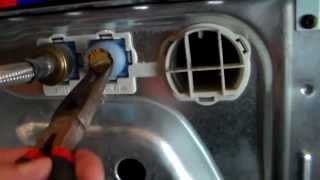
Ever Wondered Why Your Washing Machine Won’t Fill Up with Water?
Imagine this: you toss your laundry into the washer, hit start, and nothing. No sound of water filling. Nada. It’s maddening. But don’t panic — this problem isn’t as mysterious as it feels. Let’s smash through the confusion and find out exactly why your washing machine refuses to fill up with water.
Main Culprits Behind the No-Water Drama
Turns out, a few usual suspects tend to cause this exact headache:
- Water Supply Issues: Are your faucets turned on? Sometimes it’s as simple as the water being off.
- Clogged or Twisted Hoses: Hoses get kinked or blocked, starving the washer of water.
- Faulty Water Inlet Valve: The valve controlling water flow could be busted or stuck.
- Electric or Control Board Problems: Modern washers rely on electronics that can fail unexpectedly.
- Water Pressure Problems: Insufficient water pressure can thwart the filling process.
- Problem with the Washer’s Lid Switch: Some machines won’t fill if the lid switch is defective.
Let’s Break Down These Problems and How to Spot Them
Water Supply Confirmation
First, check your home’s water supply valves (often behind the machine). They must be fully open. (Yes, the culprit is sometimes a squat faucet handle turned off by accident.)
Inspect Hoses
Can you spot any kinks or clogs? This often happens if the machine’s moved or if sediment builds up over time, blocking the water flow.
The Water Inlet Valve
This is the gatekeeper of water to your washer. If it’s broken or stuck, water won’t come in. Testing or replacing it often needs a technician—unless you’re comfortable with DIY electrical troubleshooting.
Electric Control and Lid Switch
Any wiring issues or faulty switches can stall filling. Some washers have sensor switches to prevent filling with an open lid. If these go haywire, they cut off water supply.
Washing Machine Maintenance Tips That Prevent Filling Problems
Keep your washer happy and avoid frustrating no-fill moments by integrating these cleaning and maintenance habits:
- Regular Washer Cleaning: This keeps internal filters free from grime that can block water flow.
- Check and Replace Water Hoses Every 5 Years: Prevent leaks and clogs.
- Inspect Water Inlet Valve Annually: Early spotting of issues saves costly repairs.
- Front Load Washer Cleaning: Focus on the door seal, detergent drawer, and filter to avoid buildup.
- Top Load Washer Care: Clean agitator checks and remove debris under the drum.
Washing Machine Maintenance Checklist
| Task | Recommended Frequency | Purpose/Benefit |
|---|---|---|
| Inspect Water Supply Hoses | Every 6 Months | Prevents leaks and blockages |
| Clean Washer Drum and Filter | Monthly | Removes buildup and prevents odor |
| Check Water Inlet Valve | Annually | Ensures proper filling function |
| Run Washer Cleaning Cycle | Every 1-3 Months | Maintains hygiene and performance |
| Keep Washer Door/Lid Open After Use | Ongoing | Prevents mold and odor |
Why DIY Troubleshooting Can Save You Time and Money
Before calling a repair person, trying basic checks can save bucks. Here are quick starters:
- Ensure water faucets behind the washer are turned on fully.
- Look for visible hose damage or kinks and straighten them.
- Listen for the water inlet valve clicking when the cycle starts.
- Check if the lid switch clicks when pressed.
If these don’t spot or solve the problem, detailed diagnostics may need professional help.
Helpful External Resources for Deep Dives
Want deeper explanations or specific model troubleshooting? Check these authoritative pages:
- BeaconSaves on Washing Machines Not Filling – A detailed troubleshooting guide with insights into common issues.
- Top Load Washer Expert Troubleshooting – Professional advice for top load machines that won’t fill.
- Whirlpool’s No Water Detected Guide – Manufacturer’s official help for no-water errors.
Final Thoughts: Don’t Let Your Washer Dry Out on You
One thing’s clear—your washer not filling up with water is a solvable issue. Take control, check those hoses and valves, and keep up with good routine maintenance. It pays off in years of smooth washing and zero frustrations. (And hey, if that washing machine was a car, you wouldn’t ignore its engine’s warning lights, right?) Treat it right, and it’ll keep your clothes fresh as new.

Source: www.youtube.com

Source: www.youtube.com
Frequently Asked Questions
Why does my washing machine not fill with water but makes noise?
This may indicate the water inlet valve is faulty or clogged—water tries to enter but can’t. Also, the lid switch could cause issues.
Can low water pressure stop my washing machine from filling?
Absolutely. Washers require a minimum pressure to fill properly. Check water pressure and ensure inlet valves are fully open.
How do I clean the water inlet filters?
Turn off water, disconnect hoses, and you’ll find small mesh filters in the inlet valve ports. Use a brush or rinse to remove debris.
What happens if the lid switch is broken?
Many washers won’t fill to prevent accidents if the lid switch sensor isn’t engaged. It needs replacement to fix this problem.
Is it safe to replace the water inlet valve myself?
If you’re handy with tools and unplug the machine first, yes. Otherwise, calling a certified technician is the smart move.
Will bad detergent cause no water filling?
Not directly. Though buildup from bad detergent can clog hoses or filters, leading to filling problems.
How often should I schedule routine washing machine maintenance?
At least twice a year for full checks and monthly for cleaning cycles will extend your washer’s lifespan and avoid sudden filling issues.

Tyrone Jacobs is passionate about reducing household carbon footprints without sacrificing cleanliness. Her articles focus on high-efficiency (HE) machines, low-water washing techniques, and DIY natural machine-cleaning solutions. If you want to lower your utility bills and keep harsh chemicals out of your drain hoses, Tyrone Jacobs is your go-to expert.