Why Knowing Washing Machine Weight Matters
Ever tried moving a washing machine and thought, “Is this going to be heavier than my car?” Well, understanding the weight of washing machines isn’t just trivia. It matters big time if you’re planning a move, installation, or even just setting up your laundry room.
Washing machines aren’t featherweights. Depending on the model and type, they can range from downright manageable to surprisingly hefty. Let’s unpack this mystery.
Weight Ranges by Washer Type
Let’s cut to the chase. How much do washing machines weigh exactly? It depends on whether you have a front load washer or a top load washer.
Front Load Washers
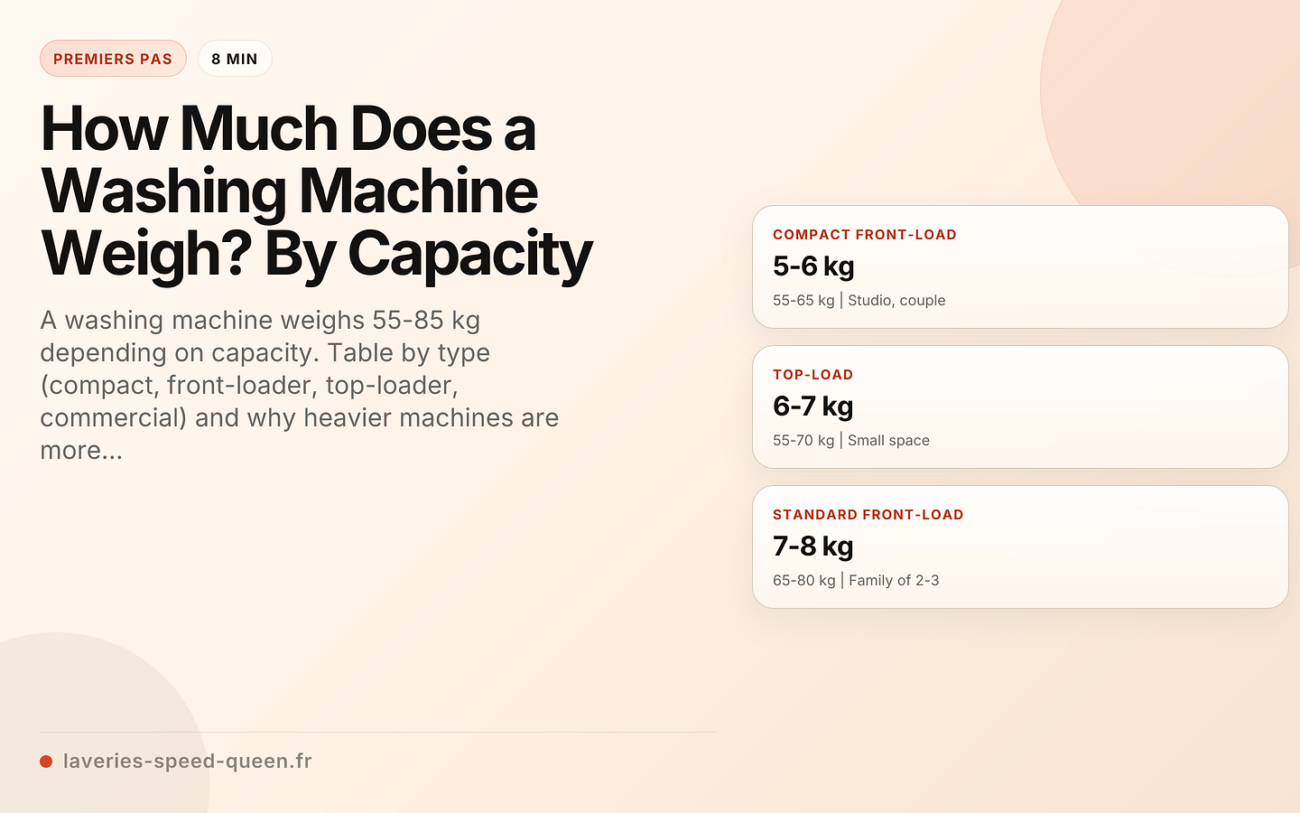
- Typical weight: 150 to 200 pounds (68 to 91 kg)
- Why so heavy? They use a horizontal drum and often contain more metal parts, making them weightier.
- Extra factors: Added smart features or larger tub sizes bump up the poundage.
Top Load Washers
- Typical weight: 120 to 170 pounds (54 to 77 kg)
- Why lighter? Simpler mechanics and usually smaller drums compared to front loaders.
- Note: Traditional agitator models tend to be heavier than high-efficiency impeller ones.
Pro Tip: If maneuverability is a priority (say, if you move apartments often), consider a lighter top load washer. They save your back and your friends!
What About Portable Washers?
Thinking of a compact unit? Portable washing machines weigh significantly less, usually between 50 and 70 pounds (23 to 32 kg). These are great for small spaces but remember, they trade volume and power for portability.
Factors Influencing Washing Machine Weight
- Material construction: More metal means more weight; some budget models opt for lighter plastics.
- Size of the drum: Larger capacity washers are solid bricks.
- Extra features: Inbuilt heaters, steam cycles, and advanced electronics add to the mass.
Moving Your Washer? Here’s How Weight Affects You
Here’s a scenario: Mark from Seattle has a 180-pound front load machine, and he’s moving it from the second floor down to the basement. With no stairs, it’s a nightmare without help.
Heavy washers mean you need:
- At least two strong people or professional movers
- Moving straps or a dolly for safety and ease
- Patience to avoid damaging floors or the machine itself
Remember: Letting just one buddy handle your 170-pound beast is a quick way to visit the ER.
Washing Machine Maintenance: Keeping Weight Concerns at Bay
While weight is a physical trait, washing machine maintenance affects how your washer performs and how it carries that weight through the cycles. A well-maintained machine feels less stressed internally — even if physically the same weight.
Cleaning Tips by Washer Type
- Front load washer cleaning: Focus on the door seal to remove mold and odors yearly.
- Top load washer care: Regularly clean the agitator and drum to avoid buildup.
- Odor removal: Vinegar and baking soda runs once a month keep smells away.
Washing Machine Maintenance Checklist
| Task | Recommended Frequency | Purpose/Benefit |
|---|---|---|
| Clean door seal (front load) | Monthly | Prevents mold buildup & odor |
| Run vinegar cycle | Monthly | Removes detergent residue & freshens |
| Clean drum and agitator (top load) | Every 3 months | Prevents buildup & improves wash quality |
| Check hoses for leaks | Every 6 months | Prevents water damage & malfunctions |
| Level washer | Annually | Reduces vibrations & prolongs machine life |
Is Weight Tied to Energy Efficiency?
Not directly. But there’s a pattern. Heavier front load washers often pack better technology, consuming less water and electricity.
So while your front loader could weigh more, it saves you money long term. Worth tipping the scales for?
Curious for More Insight into Washer Sizes and Capacity?
Check out this detailed Washing Machine Load Size: An Easy Reference Chart to match your washer’s capacity to your laundry needs.
Final Thoughts
Knowing how much washing machines weigh is a bigger deal than you think. It impacts moving strategies, installation safety, and your choice between front or top loaders.
Instead of buying on looks alone, stack the facts. Consider your space, your muscles, and yes, your budget — both for purchase and for those saving electricity bills downstream.
Keep your machine tip-top through routine cleaning. It’s part of the charm and the challenge of owning a washer. Don’t get stuck with a smelly, broken machine harder to manage than its mere weight!

Source: useactive.com

Source: prudentreviews.com
Frequently Asked Questions
How much does a typical washing machine weigh?
Standard washers weigh between 120 to 200 pounds, with front loaders generally on the heavier side.
Why are front load washers heavier than top load washers?
Front loaders use more metal parts and have a horizontal drum, contributing to increased weight.
Can I move a washing machine by myself?
Unless it’s a lightweight portable model, moving a washing machine solo is unsafe and not recommended.
Does washing machine weight affect energy use?
Not directly, but heavier front loaders tend to be more energy-efficient due to advanced technology.
How often should I clean my washer to prevent odors?
Monthly cleaning cycles with vinegar and baking soda help keep your washer fresh and odor-free.

Lonnie Clarke believes that taking care of your washing machine starts with what you put into it. As a former textile quality controller, she understands exactly how different fabrics, water temperatures, and detergents interact with your appliance’s drum. She writes our comprehensive guides on preventing mold, choosing the right cycles, and extending the life of your clothes.