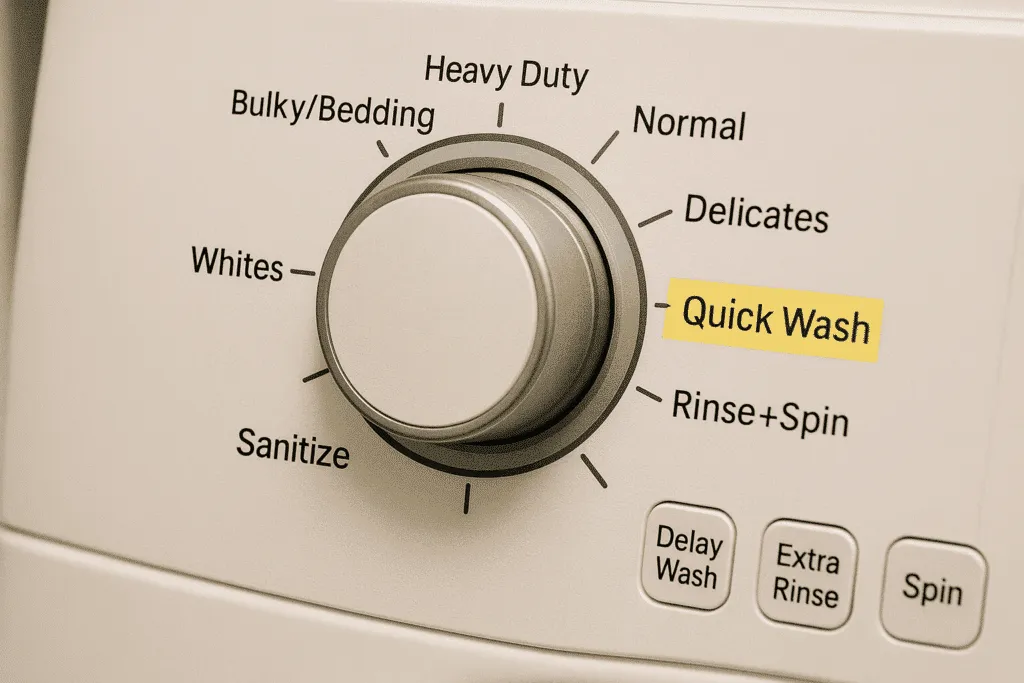
Okay, picture this: you’ve just tossed a load of laundry into the washing machine. But what’s this mystical spin cycle for, really? You might think it’s just about swirling clothes around, but it’s way more crucial than that. The spin cycle is the final act in the washing drama, and it plays a starring role in ridding your clothes of excess water.
What Does the Spin Cycle Actually Do?
The spin cycle wrings out your wet clothes by rotating the drum at high speeds, squeezing out water trapped inside fabric fibers. Imagine you’re wringing out a soaked towel by twisting it with your hands—except your washing machine does that with serious muscle power and consistency.
How Spin Speed Affects Your Laundry
Spin speed is measured in revolutions per minute (RPM). The higher the RPM, the more water is extracted from your clothes. But there’s a catch. Throwing delicate fabrics into a turbo spin risks damage. Meanwhile, for sturdy materials like denim, cranking up the spin speed means less drying time and energy use.
Why Should You Care About Spin?
Less water left in your clothes means they dry faster—whether air-dried on a line or in a tumble dryer. This shortens your drying time, saves energy, and protects fabric quality. Plus, excessive water in garments can encourage odors or mildew, turning your clean laundry stinky.
Spin Cycle’s Role in Washing Machine Maintenance
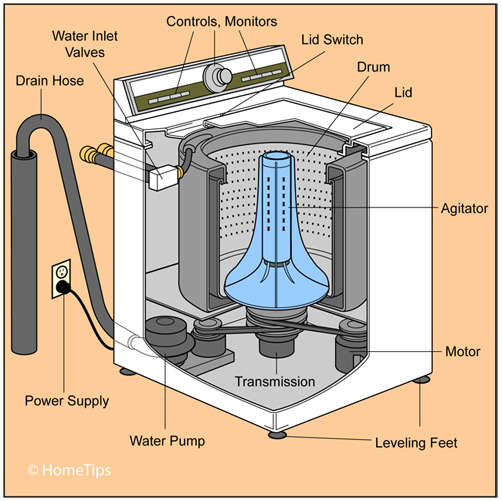
Besides laundry benefits, proper spin cycles help the washing machine too. Water-heavy loads strain the motor and can cause leaks or mechanical failures. A good spin cycle keeps the machine balanced and running smoothly.
When to Adjust Your Spin Cycle Settings?
- Heavy Loads: Opt for higher spin speeds to squeeze out extra water.
- Delicates: Use gentle or low spin to protect sensitive fabrics.
- Mix Loads: Middle-ground spin avoids damage and drying delays.
- No Spin Option: Useful for hand-washables or items that shouldn’t be wrung out aggressively.
Washing Machine Spin Symbols Explained
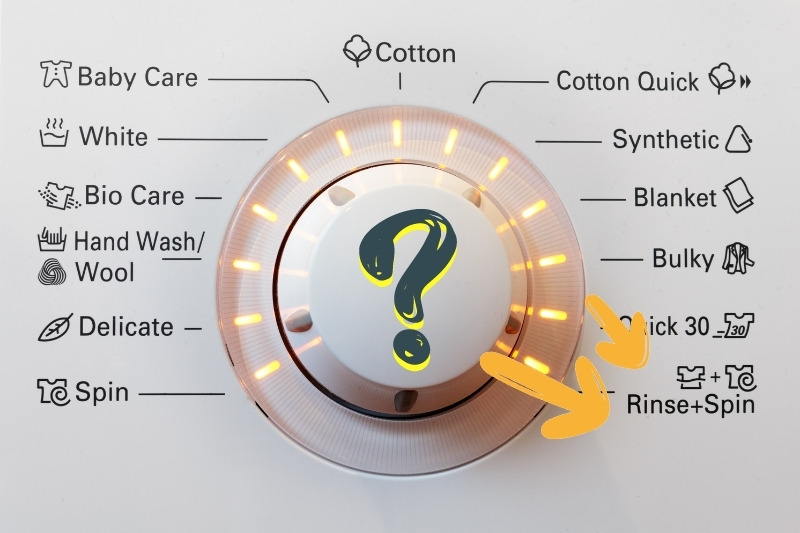
Not sure what those cryptic spin symbols mean on your machine’s dial? They indicate recommended spin speeds or whether to skip spinning altogether. Interpreting these can save you from laundry mishaps. For a handy visual guide and explanation of these symbols, visit CDA Appliances’ washing machine spin symbols explained.
Washing Machine Maintenance Checklist
| Task | Recommended Frequency | Purpose/Benefit |
|---|---|---|
| Clean detergent drawer | Monthly | Prevents detergent buildup and odours |
| Check and clean the filter | Every 3 months | Ensures proper drainage, avoids blockages |
| Run washer cleaning cycle | Monthly | Removes residue and prevents odours |
| Inspect hoses and connections | Every 6 months | Prevents leaks and water damage |
| Use correct spin settings per load | Each wash | Protects fabrics, enhances drying efficiency |
The Spin Cycle in Action: A Real-Life Example
Think about Maria, a mom of two and a small business owner who sells handmade scarves. Her business depends on quick turnover. Every evening she washes scarves, and spinning them at high speed saves her hours drying—perfect for last-minute orders. But she slows the spin when cleaning delicate silk scarves to avoid damaging her inventory. This simple setting choice protects her products and her reputation.
“I used to skip adjusting spin speeds until a batch of delicate scarves came back looking worn. Now I never underestimate the importance of this cycle.” – Maria
Practical Tips for Removing Odors and Maintaining Your Washer
Spinning removes water, but odor-causing residue can linger. Here are some quick hacks:
- Run a monthly washer cleaning cycle with washing machine cleaners or vinegar.
- Leave the door ajar after use to air out the drum.
- Clean the detergent drawer regularly to avoid mold buildup.
- Use correct detergent amounts to prevent excess residue inside.
Keeping your washing machine clean pairs perfectly with efficient spinning to deliver fresh, dry clothes and prolong the appliance’s life.
Key Takeaways
- The spin cycle is vital for squeezing out water and speeding drying time.
- Spin speeds should match fabric types to protect your clothes.
- Proper spinning helps machine health and prevents damage.
- Regular washer maintenance supports optimal spin performance.
Source: www.hometips.com
Source: inthewash.co.uk
Frequently Asked Questions
What happens if I don’t use the spin cycle?
Your clothes will be sopping wet, taking longer to dry and potentially developing odor or mildew.
Can high spin speeds damage clothes?
Yes, especially delicate fabrics. Choose lower spin settings for sensitive garments.
Is spinning necessary for all load types?
Generally yes, but some items may need no spin to avoid damage—check care labels.
How often should I clean my washer to keep spin effective?
Monthly cleaning cycles and regular filter checks keep your washer running strong.
Does spin speed affect energy consumption?
Faster spins extract more water, reducing drying time and saving energy overall.

Mary Snodgrass oversees all content at WashingMachineCare.com with a keen eye for detail and consumer advocacy. Spending over a decade in appliance retail management, he knows the industry tricks and which brands actually stand the test of time. Mary Snodgrass buying guides help readers navigate confusing spec sheets to find the perfect washer for their household needs and budget.