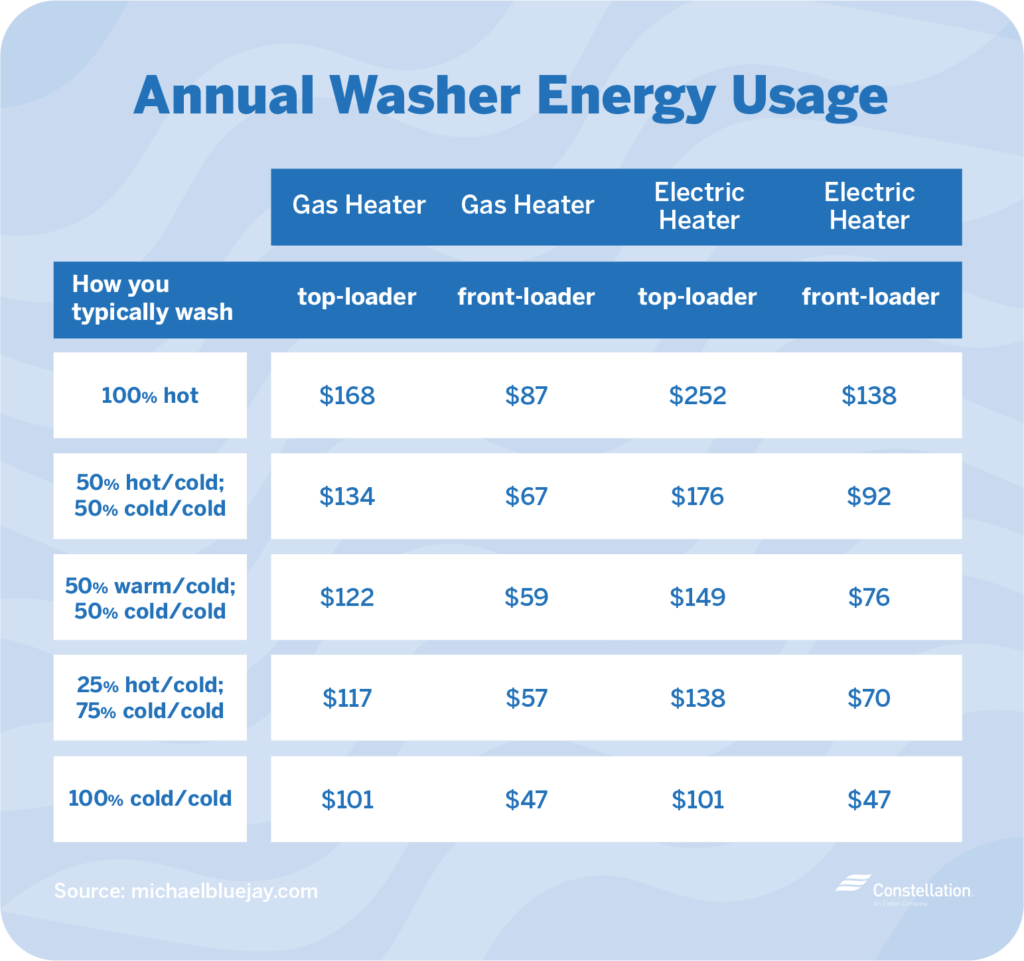
Ever Wondered How Much Wattage Your Washing Machine Actually Uses?
Imagine you’re running your laundry late at night because you can’t stand the clutter anymore. You pause and wonder, “Just how much juice is this beast gulping?” Washing machines aren’t just water-and-spin devices; they’re energy consumers with a pretty noticeable appetite for electricity. Let’s cut through the noise and get down to the wattage truth.
Typical Wattage Range of Washing Machines
So, how much wattage does a washing machine use? It varies, but a typical washing machine pulls anywhere between 350 to 500 watts per load. High-efficiency models often hover closer to 300-400 watts. That’s roughly the same as running a bright overhead light bulb with a bit more grunt behind it.
But wait—there’s more. The actual power spiked during certain cycles like heating water can easily shoot up nearing 2000 watts for machines with built-in heaters. That’s a key point many miss when thinking about energy usage.
Why So Much Variation in Wattage?
- Type of machine: Front-load washers generally consume less water and energy versus top-load washers.
- Water heating: Using hot water drains more electricity as the washing machine’s heating element kicks into gear.
- Cycle selection: Heavy-duty cycles with extra spins and rinses demand more power.
How Does This Impact Your Electricity Bill?
If you’re running a typical 400-watt washer for an hour, that’s 0.4 kilowatt-hours (kWh). Suppose your rate is $0.12 per kWh; one load costs roughly 5 cents. Doesn’t sound like much until you factor in multiple loads weekly. That’s why understanding wattage is not just trivia but a wallet saver.
Ways to Reduce Washing Machine Energy Usage
- Use cold water cycles: Opt for cold water unless you need sanitizing. Heating water is the energy hog here.
- Run full loads: Don’t half-fill; maximize each wash to spread out the energy cost.
- Choose energy-efficient machines: Look for ENERGY STAR certified washers.
- Maintain your washer: Clean your washer drums, filters, and seals regularly to keep the machine humming efficiently.
Washing Machine Maintenance Checklist
| Task | Recommended Frequency | Purpose/Benefit |
|---|---|---|
| Drum and Door Seal Cleaning | Monthly | Prevents odor, mold, and maintains efficiency |
| Lint and Filter Check | Every 3 months | Ensures water flow and prevents clogs |
| Inspect Hoses | Every 6 months | Detect leaks early and avoid water damage |
| Run Maintenance Cycle with Washer Cleaner | Quarterly | Removes buildup, optimizes performance |
What About Older vs. Newer Washing Machines?
Older washers can suck up as much as twice the electricity compared to modern, energy-efficient models. If your machine is a decade old, swapping it out won’t just save on your electric bill but also reduce water usage significantly.
New tech incorporates sensors that adjust water levels and cycle times dynamically to avoid wasting watts and gallons.
Safety Precautions When Using Your Washing Machine
- Always unplug your machine before cleaning or maintenance tasks.
- Avoid overloading to prevent mechanical strain.
- Check for damaged cords or water leaks regularly to prevent electrical hazards.
Expert Insight: Real-World Energy Savings
“Changing my wash habits to cold cycles across five loads a week saved me $15 monthly on electricity alone.” – Sam, a small coffee shop owner with a side-office laundry
Want More Details? Here’s a Solid Resource
If you’re obsessed with numbers and want to dive deeper into electrical consumption specifics for washing machines, EnergySage’s detailed guide breaks down wattage types, cost per load, and energy-saving tips in easy terms.
Final Takeaways
Understanding how much wattage a washing machine uses is crucial if you want to stop blindly tossing money on your electric bill. Simple tweaks like opting for cold water, running full loads, and maintaining your washer drum can cumulatively deliver some sweet energy savings.
Next laundry day, you’ll smile knowing you’re smarter about power consumption. Who knew a washing machine chat could save you money and time?
 "Unlocking the Secrets: What’s Your Washing Machine’s True Power Draw? 2")
Source: www.energysage.com
Frequently Asked Questions
- How much electricity does a washing machine use per load? Typically 0.3 to 2 kWh depending on cycle and water heating.
- Do front load washers use less energy than top load? Yes, front load washers generally use less water and electricity.
- Can washing in cold water save energy? Absolutely, heating water is the main energy consumer.
- How often should I clean my washing machine? Monthly cleaning prevents odors and maintains efficiency.
- Is it worth replacing an old washing machine for an energy-efficient model? Definitely—new models save water and electricity, cutting bills long-term.
- Does washing machine maintenance affect energy use? Yes, a well-maintained machine runs more efficiently and uses less power.
- What safety precautions should I take with my washing machine? Always unplug before service, avoid overloading, and inspect cords regularly.
- How can I quickly check my washing machine’s power consumption? Using a home electricity usage monitor plugged into your washer reveals real-time wattage use.

Lonnie Clarke believes that taking care of your washing machine starts with what you put into it. As a former textile quality controller, she understands exactly how different fabrics, water temperatures, and detergents interact with your appliance’s drum. She writes our comprehensive guides on preventing mold, choosing the right cycles, and extending the life of your clothes.