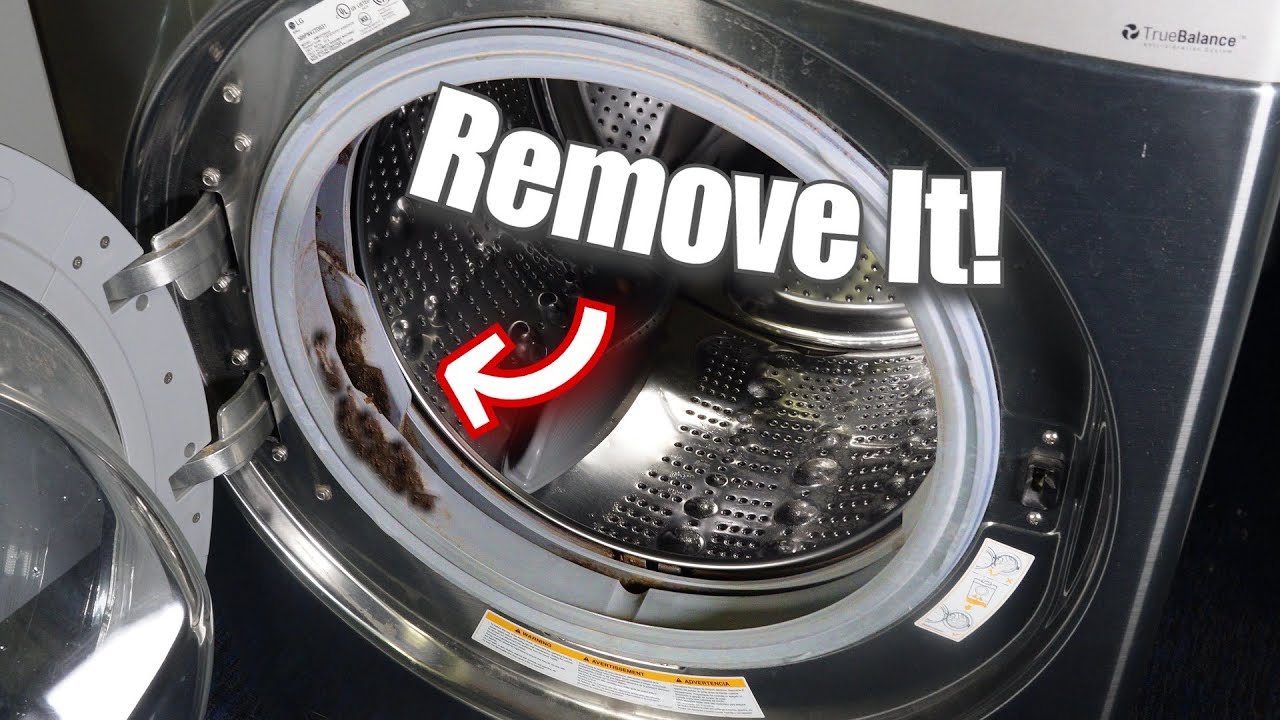
Wondering How to Clean Mold Out of Your Washing Machine?
Imagine coming home after a long day only to catch a whiff of that dank, musty smell from your washing machine. Gross, right? Mold loves to sneak into washers—especially front loaders—living in the damp crevices, ready to ruin your freshly laundered clothes. But don’t throw in the towel just yet! Let’s tackle this beast head-on with simple, straightforward steps you can do today.
Why Does Mold Grow in Washing Machines?
Mold isn’t picky. It thrives on moisture, warmth, and leftover detergent residue—all standard conditions inside a washing machine. Front load washers seal tightly, trapping moisture, which creates a perfect breeding ground for mold. Even top load washers, less prone but not immune, can get moldy if left unchecked.
💬 “A washer full of mold can cause allergic reactions and damage clothes. Regular cleaning is your best defense.” — Home Appliance Expert
Safety First: What You Need to Know
Before diving in, gear up with gloves and ventilation. Mold spores can irritate skin and lungs. Use manufacturer-safe cleaners to avoid harming your machine.
Step-By-Step: How to Clean Mold Out of Washing Machine
- Empty the Washer: Start with a clear drum and detergent drawer.
- Run a Hot Water Cycle: Use the hottest water setting and add two cups of white vinegar directly into the drum. Vinegar cuts through soap scum and kills mold.
- Scrub Moldy Areas: Mix a tablespoon of baking soda with water to form a paste. Apply to rubber gaskets, seals, and detergent dispensers. Scrub with a soft brush.
- Use Bleach for Stubborn Mold: For tough spots, pour half a cup of bleach in the drum and run another hot water cycle. Don’t mix bleach with vinegar!
- Wipe Everything Down: Dry the interior with a microfiber cloth, focusing on rubber seals and door gaskets.
- Leave the Door Open: Keep it ajar to let moisture escape and prevent mold from coming back.
Maintenance Tips to Keep Mold Away Forever
- After each load, wipe down seals and drum to remove residual water.
- Use high-efficiency detergents designed to prevent residue.
- Run a monthly cleaning cycle with vinegar or washing machine cleaner.
- Remove wet clothes promptly to avoid leaving moisture inside.
- Keep detergent drawers clean and dry.
Pro Tip 💡
Don’t underestimate the power of sunlight! If possible, keep your washer’s door open partially to let UV rays naturally inhibit mold growth.
Washing Machine Maintenance Checklist
| Task | Recommended Frequency | Purpose/Benefit |
|---|---|---|
| Run cleaning cycle with vinegar or cleaner | Monthly | Eliminates mold and soap build-up |
| Wipe drum and seals after use | After every wash | Prevents moisture accumulation |
| Leave door open after wash | Every time | Allows drying and prevents mold |
| Clean detergent drawer thoroughly | Every 2-3 months | Removes residue and mold growth |
| Inspect and clean door gasket | Monthly | Prevents hidden mold pockets |
Additional Resources for Mold-Free Washers
If you’re looking for more detailed tips on mold removal, Ge Appliances shares trusted advice on how to remove mold from your washing machine. Samsung’s support page also explains what to do when your washing machine smells musty. For a deeper dive into preventing mold growth, MoldHelpForYou provides excellent guidance on the best way to clean mold in a washing machine.
Source: www.thespruce.com
Frequently Asked Questions
Can I use bleach regularly to clean my washing machine?
Bleach is effective for tough mold but should be used sparingly to avoid damaging seals. Use it once every few months or as needed.
Is it better to keep the washer door open or closed between uses?
Always leave the door open after a wash to promote drying and prevent mold growth. Closing it traps moisture.
Why does my washing machine smell musty even after cleaning?
This could be due to hidden mold in seals or detergent drawers. Make sure to clean these areas thoroughly and regularly.
Are front load washers more prone to mold than top load washers?
Yes, front load washers seal tightly and retain moisture, making mold more common. Top loaders usually dry out faster.
Can natural cleaners like vinegar and baking soda fully eliminate mold?
They’re great for routine cleaning and mild mold. For heavy infestations, a bleach cycle might be necessary.

Lonnie Clarke believes that taking care of your washing machine starts with what you put into it. As a former textile quality controller, she understands exactly how different fabrics, water temperatures, and detergents interact with your appliance’s drum. She writes our comprehensive guides on preventing mold, choosing the right cycles, and extending the life of your clothes.