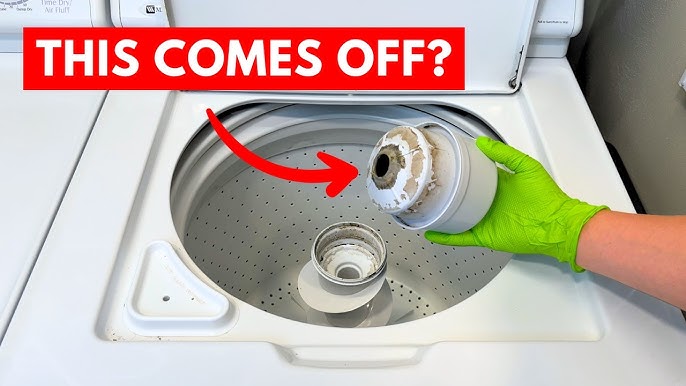
What Makes a GE Top Load Washer Without an Agitator Special?
Ever peeked inside your GE top loader only to find no agitator spinning away? That’s right — many modern units ditch that bulky central post to use impellers or pulsators. It’s slick because it’s gentler on clothes and offers more space. But that design means cleaning it demands a special touch.
Why Bother Cleaning a Washer Without an Agitator?
Dirt, detergent residue, and minerals from water don’t vanish magically. They settle inside and cause funky smells or worse — mold. You end up with grimy clothes and maybe appliance breakdowns. Regular care keeps your machine smelling crisp and working like a champ.
Step-by-Step Guide: How to Clean Your GE Top Load Washer With No Agitator
- Unload and Inspect: Make sure your washer is empty. Peek inside for leftover lint or debris.
- Wipe Visible Dirt: Use a microfiber cloth dampened with warm soapy water to clean the drum, lid, and detergent dispenser.
- Run a Hot Cycle with Vinegar: Pour 4 cups of white vinegar into the drum and run the washer on the hottest, longest cycle without clothes. Vinegar breaks down residue and deodorizes.
- Scrub Stubborn Spots: After the cycle, scrub the drum edges, around seals, and inside dispensers with a soft brush dipped in vinegar. Avoid harsh abrasives to protect surfaces.
- Run a Baking Soda Cycle: Add 1 cup of baking soda directly to the drum and run another hot cycle. This neutralizes odors and lifts residual grime.
- Final Rinse Cycle: Run one more rinse cycle with plain water to flush every last bit of cleaning agents.
- Leave the Lid Open: After cleaning, keep the lid ajar to let moisture evaporate. This simple habit prevents mold in between washes.
Special Care Tips For Your GE No-Agitator Washer
- Use HE (High Efficiency) detergent sparingly to avoid buildup.
- Avoid fabric softener sheets that leave waxy residues.
- Clean detergent dispensers monthly for peak performance.
- Check and clean your washer filter once a month (consult your manual for location).
Washing Machine Maintenance Checklist
| Task | Recommended Frequency | Purpose / Benefit |
|---|---|---|
| Run vinegar cleaning cycle | Every 1-2 months | Remove detergent and mineral buildup |
| Run baking soda cycle | Every 1-2 months | Neutralize odors and freshen machine |
| Wipe drum and dispensers | Weekly | Prevent dirt accumulation |
| Clean washer filter | Monthly | Maintain water flow and drainage |
| Leave lid open | After each wash | Reduce moisture and mold risk |
Why This Method Works So Well
The key is a two-pronged offense: vinegar tackles tough deposits and kills odor-causing bacteria, while baking soda balances pH and scrubs residue. Together, they flush out grime without harming your machine’s delicate mechanisms. Your front load washer cleaning</strong routine could never feel this straightforward!
Extra Tips From GE Appliances Experts
For trusted advice, GE Appliances Pressroom offers excellent washing machine cleaning tips. Their guidance aligns perfectly with this method and will boost your machine’s lifespan.
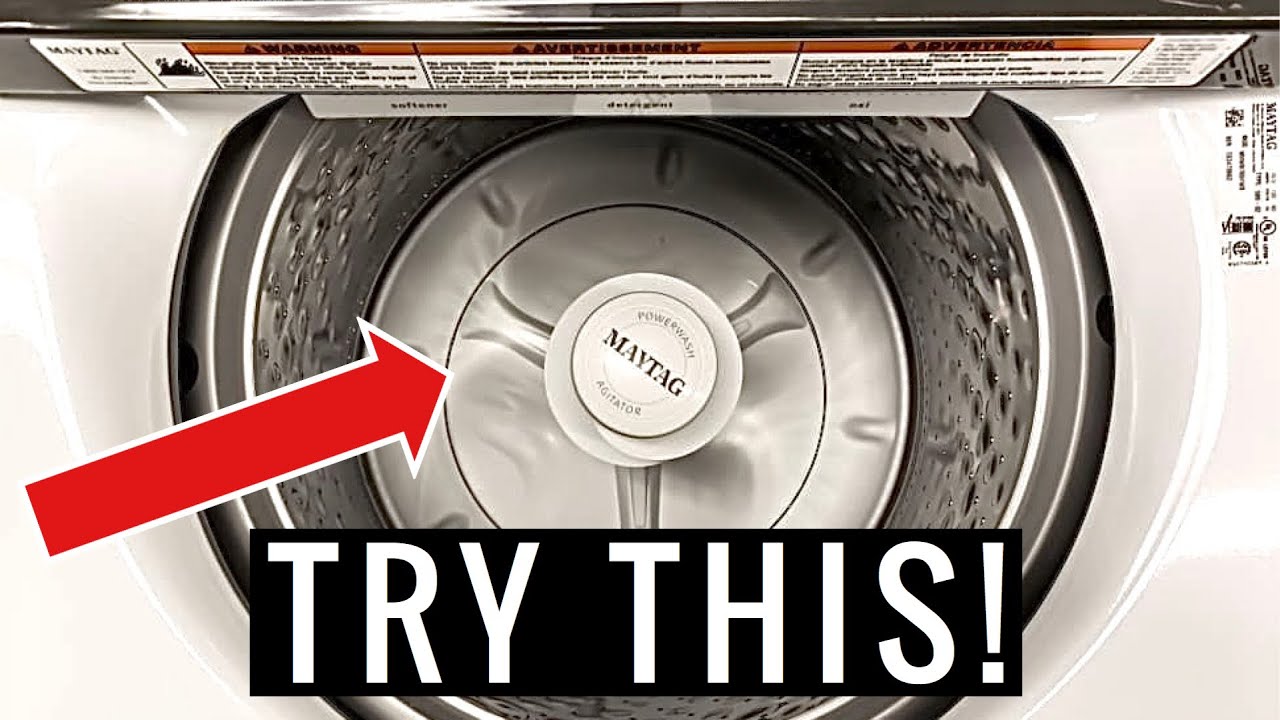
Want a visual guide? The Appliance Dudes on TikTok have a viral video showing how to clean a stinky top load washer without an agitator. Watching snaps it all into place.
Don’t Ignore These Signs
- Persistent foul smell even after cleaning
- Water not draining properly
- Loud noises during the spin cycle
- Visible mold or mildew inside seals
If these pop up, it’s time to either deep-clean professionally or consult a technician.
Final Thoughts
Cleaning your GE top load washer without an agitator might sound tricky, but with vinegar, baking soda, and smart habits, it becomes second nature. Save your shirts from smelling funky and your machine from costly repairs by sticking to this simple schedule.
Keep that lid open. Run your vinegar. Smile at the sparkle inside your drum. Your washer’s life depends on it!
Source: www.youtube.com
Frequently Asked Questions
Can I use bleach instead of vinegar for cleaning?
Bleach can be harsh and damage rubber seals over time. Vinegar is gentler and equally effective for routine cleaning.
How often should I clean my GE washer without an agitator?
Every 1-2 months for vinegar and baking soda cycles, with weekly wipes and monthly filter cleaning.
Is it necessary to leave the lid open after each wash?
Absolutely. Leaving it open prevents moisture buildup that causes mold and bad odors.
Can I use regular detergent instead of HE detergent?
It’s best to use HE detergent to reduce suds and prevent buildup inside your machine.
What if my washer still smells bad despite cleaning?
Try a deep clean with commercial washing machine cleaners and ensure all parts like dispensers and filters are cleaned.
Does top loader without agitators clean clothes as well as those with agitators?
Yes, the impeller design is gentle yet effective, especially when used with the right cleaning cycle and detergent.
Should I run cleaning cycles with water only sometimes?
Running rinse cycles helps flush detergent residues and keeps the system fresh in between heavy cleanings.
Where else can I find cleaning tips for GE washers?
Check out GE Appliances official tips for trusted advice straight from the manufacturer.

Lonnie Clarke believes that taking care of your washing machine starts with what you put into it. As a former textile quality controller, she understands exactly how different fabrics, water temperatures, and detergents interact with your appliance’s drum. She writes our comprehensive guides on preventing mold, choosing the right cycles, and extending the life of your clothes.