Ever found yourself staring at your washing machine mid-spin, wondering, “How fast does this thing actually spin in MPH?” It’s not just idle curiosity — knowing the spin speed reveals a lot about your washer’s power and care needs.
What’s the Magic Number? Washing Machine Spin Speed in MPH
Spin speeds for washing machines are typically measured in revolutions per minute (RPM). But turning RPM into miles per hour (MPH) paints a clearer picture if you imagine the drum’s circumference rushing past. For instance, a typical front-loading washer spins around 1,200 to 1,400 RPM. Given the drum diameter is roughly 18 inches (1.5 feet), converting that rotational speed to MPH is eye-opening.
Here’s the quick math: Circumference = π × diameter = 3.14 × 1.5 ft = approximately 4.7 ft per revolution. Multiply revolutions per minute by feet traveled per revolution to get feet per minute, then convert to miles per hour.
Calculation example:
- 1,200 RPM × 4.7 ft = 5,640 ft per minute
- 5,640 ft/min ÷ 5,280 ft/mile = 1.07 miles per minute
- 1.07 miles/min × 60 min/hr = 64.2 MPH
So, many washers spin at speeds exceeding 60 MPH – faster than highway speeds! Fascinating, right?
This speed explains the centrifugal force that wrings water from your clothes so efficiently. But that force is also why improper washer maintenance matters — neglect can cause problems ranging from vibration damage to fabric wear.
Why Does Spin Speed Matter?
Faster spins extract more water, so clothes dry quicker (saving time and energy). But go too fast, and you risk stressing your machine, causing leaks, or even shaking your entire laundry room floor.
Some enthusiasts and experts dive into how much G-force a washing machine experiences during a fast cycle — it’s intense stuff, akin to small roller coaster thrills. That force makes balanced loads essential.
Front Load vs. Top Load Spin Speed Differences
Front loaders typically hit higher spin speeds than top loaders. They max out around 1,400 RPM, while many top loaders hover near 800 RPM. The technology and drum design affect these numbers, influencing maintenance routines too.
For example, a popular guide from TCL mentions how washing machine spin speed plays a role in performance and care. Front loaders demand checking door seals and drum cleanliness often, while top loaders need more tendon and agitator care.
Keeping Your Machine Happy (and Spinning Fast)
Spinning is powerful, but machines are delicate inside. Here’s a no-nonsense list to keep your washer humming and spinning at peak MPH without pain or weird noises.
Washing Machine Maintenance Checklist
| Task | Recommended Frequency | Purpose/Benefit |
|---|---|---|
| Clean detergent drawer and seals | Monthly | Prevents mold buildup & odor |
| Run washer cleaning cycle or use cleaning agent | Every 1-2 months | Removes detergent residue & grime |
| Check and balance loads before spinning | Every load | Reduces vibration, prolongs machine life |
| Inspect hoses for cracks or leaks | Biannually | Prevents water damage |
| Leave door open after use | Every use | Allows drying, prevents odors |
Removing Odors and Keeping It Clean
Nothing kills your vibe faster than a stinky washing machine. Leftover moisture and detergent gunk breed a funky smell in no time. Tackle it by mixing white vinegar or a washing machine cleaner for monthly rinse cycles. Don’t skimp on wiping out the door gasket on front loaders either.
One of the best-kept secrets? Run a hot water wash with vinegar and baking soda (without clothes) to blast odors and sanitize.
Safety and Spin Speed Notes
Let’s be blunt: faster isn’t always better. Don’t overload your washer trying to squeeze in one more t-shirt. Machines can only balance water weight up to their limit — beyond that, it shakes like a paint mixer.
If your washer starts thrashing or noisy vibrations erupt, pause immediately and redistribute clothes. Otherwise, you risk damage that turns your speedy spin into an expensive repair.
By understanding the incredible MPH your washer reaches during spin and pairing it with solid maintenance, you protect your investment and keep laundry day less of a grind.
Curious about other users’ experiences or washer physics? Check out this practical discussion on calculating washing machine spin speed in miles per hour and avoid getting lost in the technical weeds.
And for a physics angle on why your washer doesn’t explode while spinning ridiculously fast, browse this reddit thread on washing machine vibrations. It’s an eye-opener how engineering and simple physics team up in your laundry room.
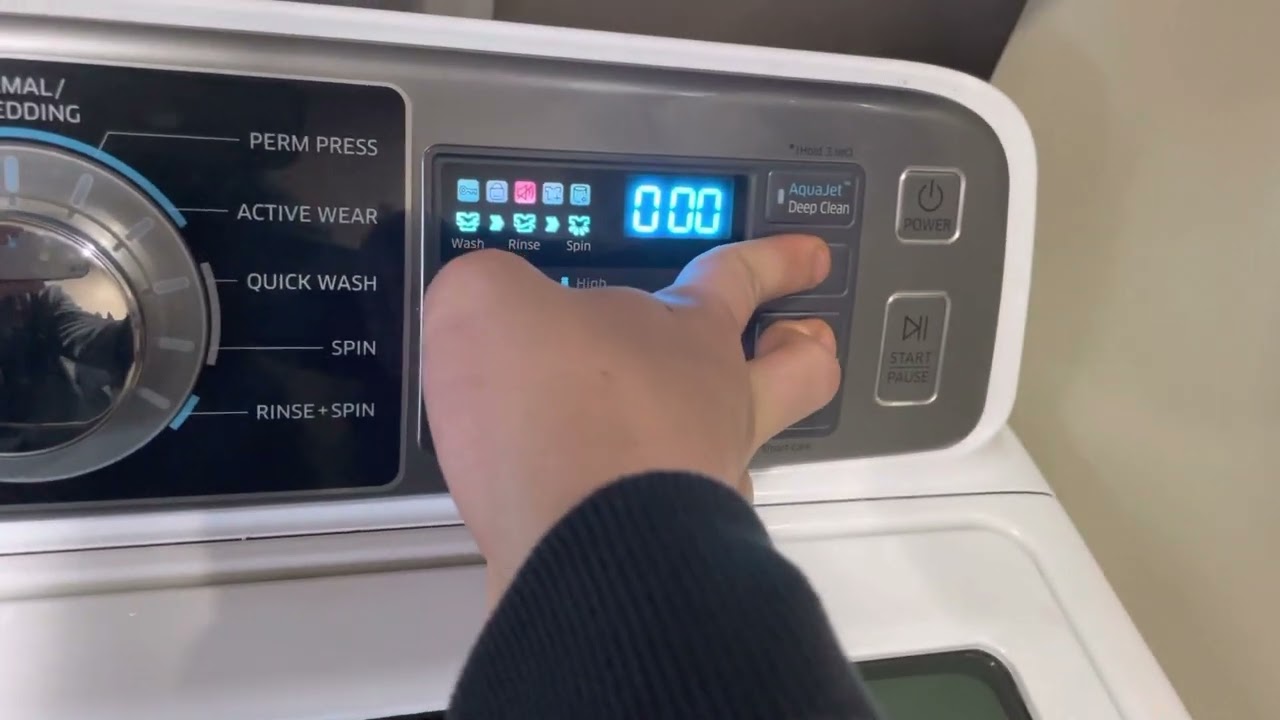
Source: www.youtube.com
FREQUENTLY ASKED QUESTIONS
Q: Can the spin speed damage clothes?
A: Yes, especially delicate fabrics. Most washers let you select lower spin speeds for such items to avoid wear and tear.
Q: Why does my washing machine seem to shake a lot during spin?
A: Usually due to unbalanced loads. Spreading clothes evenly or spinning half-loads can fix this.
Q: Are higher spin speeds better for drying clothes?
A: Generally, yes. Higher speeds mean more water extracted and shorter drying times, but balance that with fabric care.
Q: How often should I clean my washing machine?
A: Monthly cleaning cycles and wiping seals regularly keeps odors and residue at bay.
Q: What’s the difference between front load and top load washer spin speeds?
A: Front loaders often spin faster (up to 1,400 RPM or about 65 MPH) compared to top loaders that average around 800 RPM (~37 MPH).
In short, your washing machine is a powerhouse whirling at surprising speeds. Respect that power by doing your part with upkeep. Your clothes, your machine, and your ears will thank you. For more on washing machine spin speeds and care, the resources linked above have tons of real talk and expert perspectives.

Lonnie Clarke believes that taking care of your washing machine starts with what you put into it. As a former textile quality controller, she understands exactly how different fabrics, water temperatures, and detergents interact with your appliance’s drum. She writes our comprehensive guides on preventing mold, choosing the right cycles, and extending the life of your clothes.