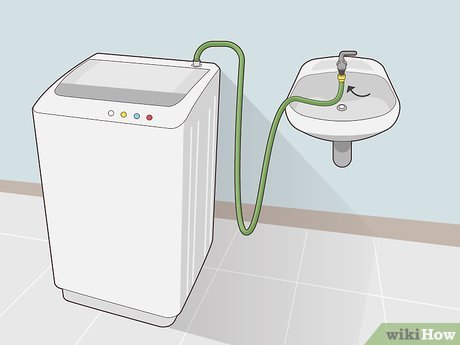
Ever wondered how those compact, roll-anywhere washing machines actually crank through your laundry? Portable washing machines aren’t your typical bulky appliances. Imagine this: you’re living in a cramped city apartment or a bustling dorm, and the idea of a full-sized washer feels like a pipe dream. Enter the portable washing machine—your laundry sidekick that fits snugly on your countertop or in a corner.
What Makes Portable Washing Machines Tick?
Portable washing machines work by simulating what their big brothers do but on a miniaturized scale, using less water and energy. Most models are either top-loading or use a simple agitator mechanism inside a compact drum that churns your clothes around in soapy water. The motor spins the agitator, causing friction between clothes and water that loosens dirt and grime.
Unlike traditional washers hooked up to permanent water lines and drains, portable washers often connect to your kitchen faucet or bathroom sink. They fill up with water, agitate your clothes, then drain the dirty water into the sink or tub—all without needing a dedicated plumbing setup. This makes them incredibly versatile and ideal for small-scale laundry chores.
Curious about the nitty-gritty of operation? Check out this thorough explanation on how does a portable washing machine work to geek out on the internal magic.
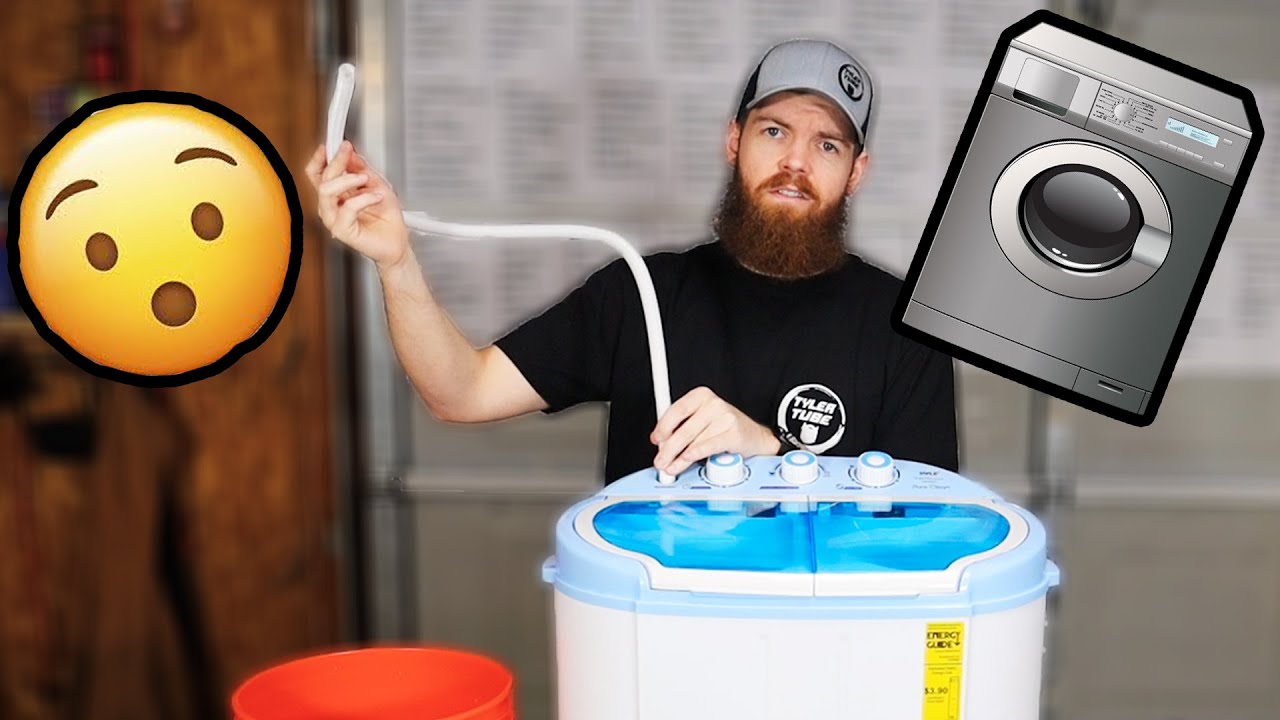
Source: www.youtube.com
The Smart Move: Maintenance and Cleaning
Your trusty portable washer needs some TLC to keep functioning efficiently. Leaving soap scum and grime lurking inside can lead to funky smells or even damage. Here’s the truth: cleaning your machine isn’t a chore—it’s a pact for longevity.
Use this handy Washing Machine Maintenance Checklist to keep your portable washer happy:
| Task | Recommended Frequency | Purpose/Benefit |
|---|---|---|
| Drum Cleaning | Monthly | Removes soap residue and mold, prevents odors |
| Check Hoses & Connections | Every 3 months | Prevents leaks and water damage |
| Ventilate Washer After Use | After every wash | Allows moisture to escape, avoids mildew |
| Deep Clean with Vinegar & Baking Soda | Every 6 weeks | Disinfects and freshens the machine interior |
Step-by-Step: How to Clean Your Portable Washing Machine
Getting rid of funky odors isn’t rocket science. Follow these steps religiously:
- Fill the washer with hot water.
- Add two cups of white vinegar and a half cup of baking soda.
- Run a wash cycle without clothes to let the solution break down grime.
- Wipe down the drum and seals with a microfiber cloth.
- Leave the lid open until completely dry.
Front load washers and top load washer care share similar principles, but front loaders need extra attention to seals and gaskets where debris hides.
Why Portable Washing Machines Rock
Forget waiting in line at the laundromat or lugging heavy baskets down flights of stairs. Portable washers tackle the dirty work with an unfussy, space-conscious approach. They’re perfect for folks juggling hectic schedules, tiny homes, or even those who want a backup washer for delicate items.

Source: www.youtube.com
Another bonus? Energy efficiency. Portable washers usually sip water and electricity, which means cheaper bills and a smaller footprint on the environment. If you need a closer look at practical usage and setup tips, check out this practical guide on portable washing machines: tips to buy, install, & use.
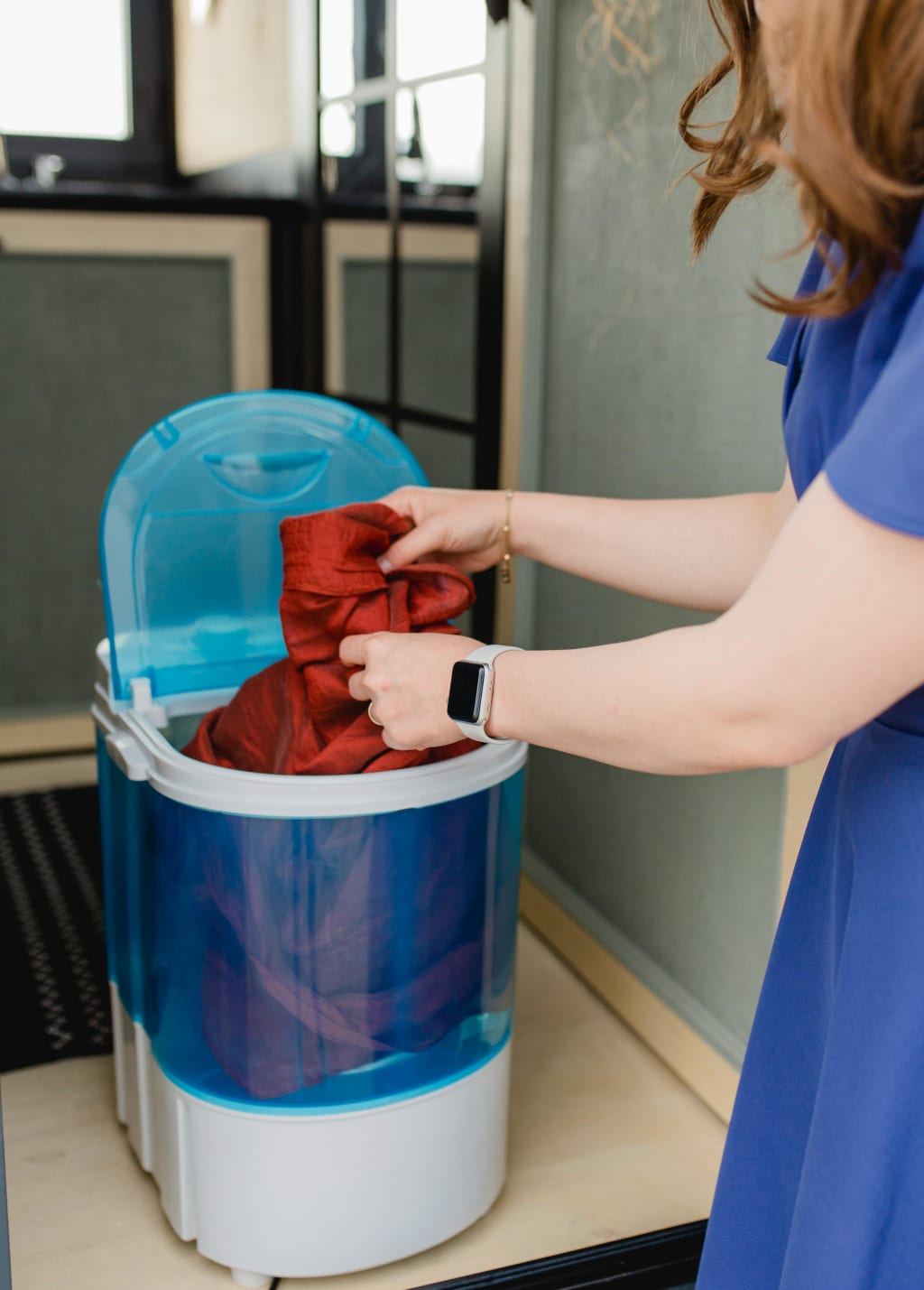
Source: vocal.media
Safety First: What to Watch Out For
Don’t just plug it in and forget about it. Portable washers require stable, flat surfaces to avoid serious vibrations or water spills. Always follow manufacturer guidelines on load sizes to prevent motor burnout. If you use adapters or extension hoses, inspect them regularly.
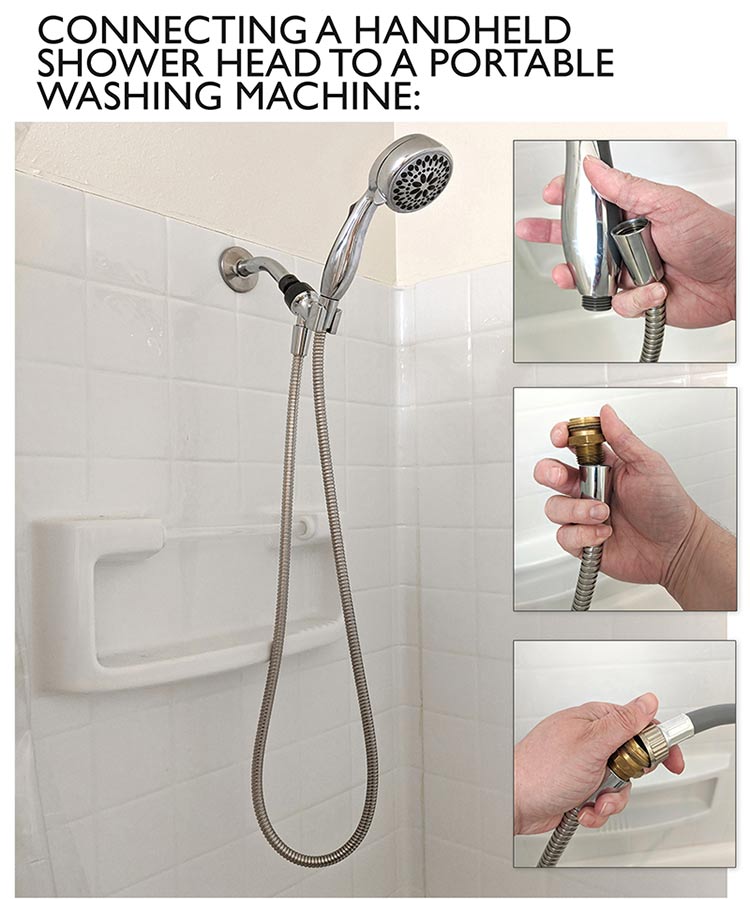
Here’s a lifesaver tip: When connecting to your faucet, ensure it’s tightly sealed to avoid leaks and dripping that could cause water damage to your floor.

Source: www.nytimes.com
Source: www.hawk-hill.com
Frequently Asked Questions (FAQs)
Q: Can portable washing machines clean as well as full-sized ones?
A: For everyday clothes and light stains, absolutely. They aren’t designed for heavy-duty loads but crush it for small to medium laundry.
Q: How do I remove odor from my portable washing machine?
A: Run monthly cleaning cycles with vinegar and baking soda, and leave the door open after washes to dry out the interior.
Q: Are portable washers noisy?
A: Generally, they’re quieter than laundromat machines but can vibrate more on uneven surfaces. Place them on rubber mats to cut down noise and movement.
Q: Do I need special detergent?
A: Use high-efficiency (HE) detergent when recommended. It produces fewer suds, which is better for compact washing machines.
For more beginner-friendly advice on efficient small washers, this article on 11 facts before shopping a small washing machine can help you avoid rookie mistakes and pick the right model.
In a nutshell, portable washing machines work hard, keep your laundry clean, and save precious space without fuss. Give them some love with regular maintenance, and you’ve got a home-cleaning partner that punches way above its weight.

Lonnie Clarke believes that taking care of your washing machine starts with what you put into it. As a former textile quality controller, she understands exactly how different fabrics, water temperatures, and detergents interact with your appliance’s drum. She writes our comprehensive guides on preventing mold, choosing the right cycles, and extending the life of your clothes.