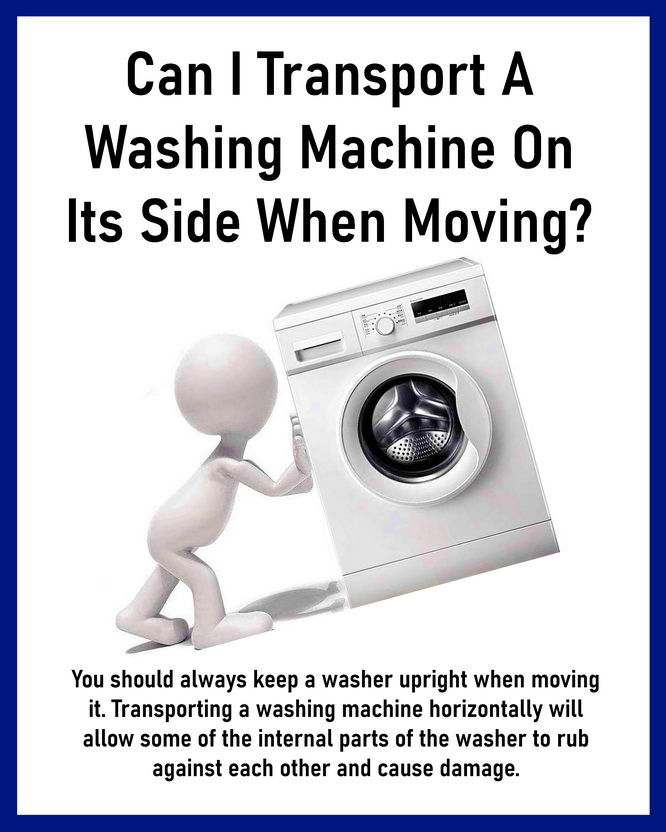
Ever tried wrestling a washing machine onto a moving truck? Yeah, it’s tougher than it looks. So when you’re packing up, you might ask, can you lay a washing machine on its side? The short answer: it’s a risky move, and most experts say don’t. But why? Let’s break it down piece by piece.
Why Laying a Washer on Its Side Can Be Trouble
Imagine your washing machine is like a giant mechanical heart. Inside, pumps, motors, and delicate parts rely on staying upright. Tossing it sideways is like tossing a pizza with toppings sliding off—stuff gets jumbled, misaligned, or worse, breaks.
Take the transmission and drum, for example. They’re not just heavy—they’re precision balanced. When laid flat or on its side, oils and fluids inside can shift where they shouldn’t, causing leaks or damage. This isn’t some minor inconvenience; it can make your washer squeal, clank, or just stop spinning entirely.
Check out this firsthand discussion on Reddit where people share horror stories of forced sideways moves during transit: Forced to lay washing machine on its side during transit. The caution there is clear: results vary, but it’s mostly a gamble with your washer’s lifespan.
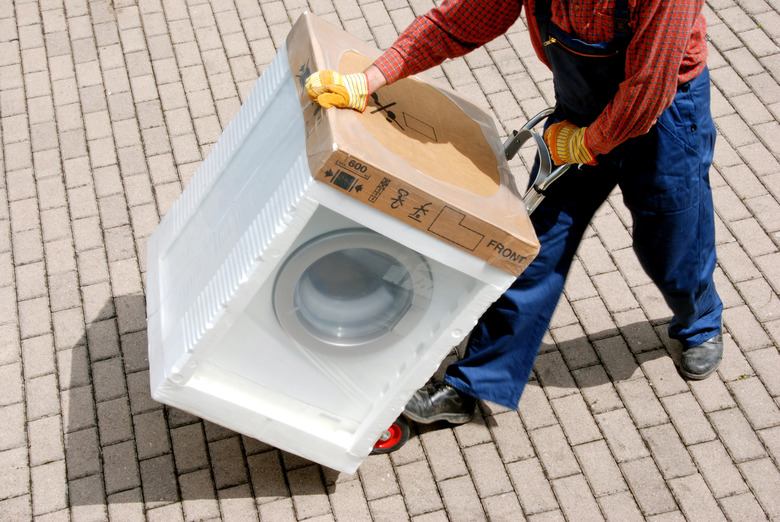
Source: www.hunker.com
So What’s the Best Way to Move Your Washing Machine?
Think of your washing machine like a stubborn mule — it’s strong but doesn’t like being mishandled. Always transport it upright if you can—this keeps internal parts where they belong.
- Secure the drum: Manufacturers often provide shipping bolts to lock the drum in place. If you got ’em, use ’em!
- Drain all water: Nobody wants surprise puddles later. Make sure your washer is bone dry.
- Use heavy-duty movers or trolleys: Save your back and your sanity.
- Tie it down: When upright on a truck, secure it so it doesn’t wobble.
For a real solid guide, The Home Depot lays it out straight with tips that’ll spare your washer and your nerves: How to Move a Washing Machine – The Home Depot.
Top Load vs Front Load: Does Laying on Its Side Matter Differently?
Yes. Top load washers tend to be a bit more forgiving. But that doesn’t mean you should just flop them over like a deck chair. Transporting a top-load machine on its back or side risks pump damage and leaks.
Weighing in on Facebook, some users debate the pros and cons of laying top-load washers down during moves: Can new top-load washer be transported on its back? – Facebook. It’s a mixed bag—better safe than sorry.

Source: www.pinterest.com
Top Tips for Washing Machine Maintenance to Avoid Repair Hassles
Whether moving or not, maintaining your washing machine is a no-brainer that saves cash and headaches. Here’s an easy checklist you can stick on your fridge:
| Task | Recommended Frequency | Purpose/Benefit |
|---|---|---|
| Clean Washer Drum | Once a month | Prevents odor buildup and soap scum |
| Check and Clean Drain Pump Filter | Every 3 months | Avoids blockages and ensures smooth drainage |
| Inspect Hoses and Connections | Every 6 months | Prevents leaks and water damage |
| Run Washer Cleaning Cycle with Vinegar/Bleach | Every 2 months | Removes mold, mildew, and unpleasant odors |
| Level the Washer | After Installation or Relocation | Reduces noise and wear on parts |
Oh, and don’t just take my word for it. Here’s a practical moving and care guide from HireAHelper that ties the transport and maintenance details neatly: How to Move a Washing Machine Safely – HireAHelper.
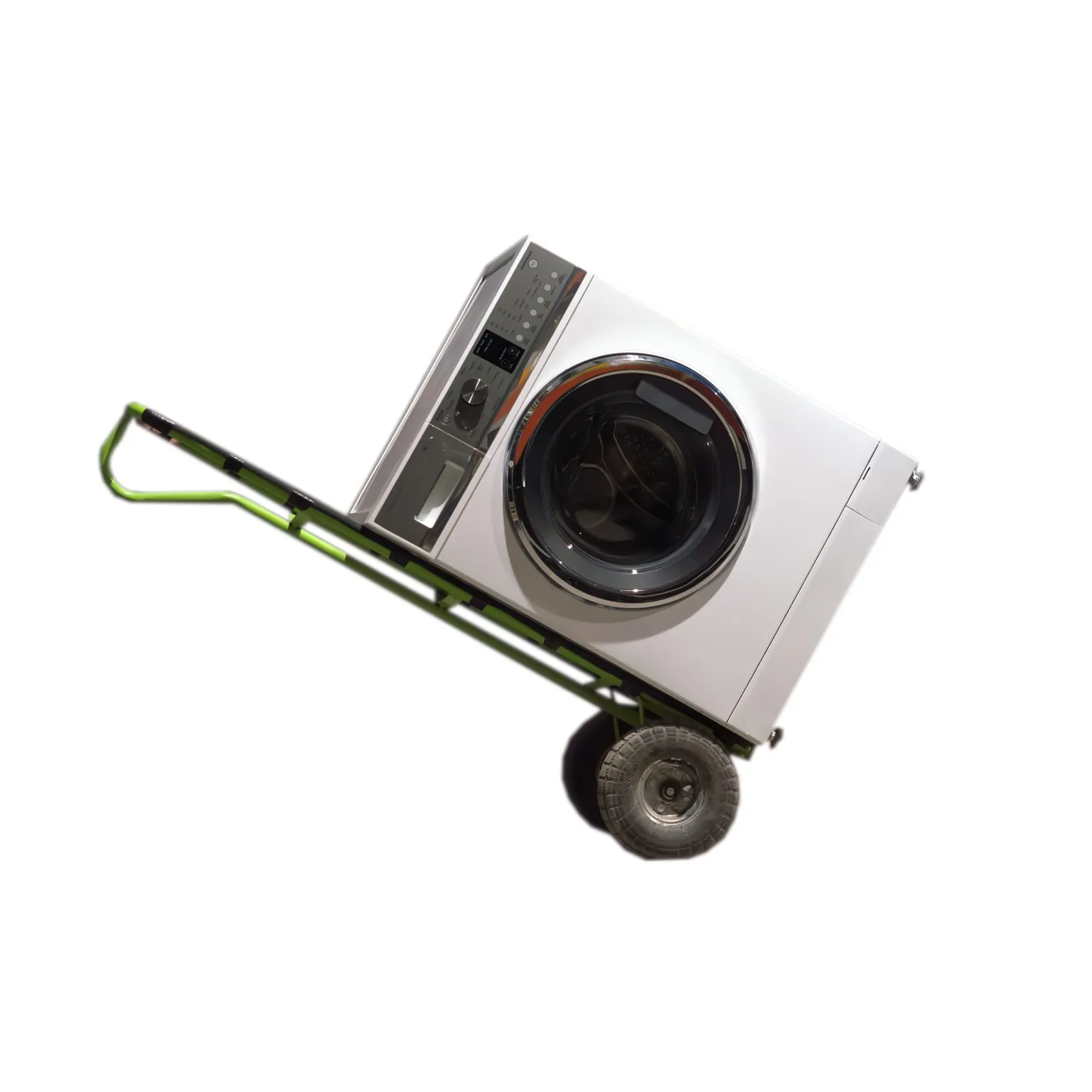
Source: www.whybuy.com.au
Can You Lay Washing Machine on Its Side? Final Verdict
Listen, the simplest truth here is: don’t lay your washing machine on its side unless it’s the only possible option and you take every precaution—secure the drum, drain all water, move it quickly, and let it stand upright for hours after transit before switching it on. But if you want reliability and peace of mind, keep it vertical.

Source: www.rent.com
And if you’ve already got a washer sitting on its side, don’t just plug it in and hope for the best. Let it rest for at least 24 hours so all the fluids settle back where they belong. Failing to do so is like jumping into a cold pool headfirst—your appliance will shock you with problems.

Source: www.hunker.com
FREQUENTLY ASKED QUESTIONS
Q: How long should I wait after laying my washer on its side before use?
A: At least 24 hours upright. This lets any displaced fluids settle back and reduces risk of damage.
Q: Can I avoid drum bolts on short-distance moves?
A: Not really. Even short moves can cause damage if the drum shifts inside. Use shipping bolts if possible.
Q: How do I remove odor from a washing machine?
A: Run a hot wash cycle with vinegar or bleach monthly, and clean the drum and dispenser trays regularly.
Q: Is front load washer cleaning different from top load washer care?
A: Yes, front-load washers need extra attention to door seals and moisture buildup to prevent mold, while top loaders tend to be simpler in maintenance.
Q: Where can I find professional tips for moving a washing machine?
A: You can check out detailed expert advice on YouTube, such as this video offering pro tips for moving your washing machine safely: Pro Tips for Moving Your Washing Machine Safely (2025).
So yeah, bending or tossing your washer sideways isn’t a mere inconvenience—it’s a gamble with one of your home’s hardest-working appliances. Keep it upright, respect the mechanics inside, and your washing machine will spin your socks clean for years.

With over 15 years of hands-on experience in the appliance repair industry, Erick Jackson is WashingMachineCare’s resident gearhead. He holds multiple manufacturer certifications and specializes in breaking down complex mechanical failures into easy, step-by-step DIY fixes. When he’s not covered in grease, Erick Jackson enjoys restoring vintage washing machines to their former glory.