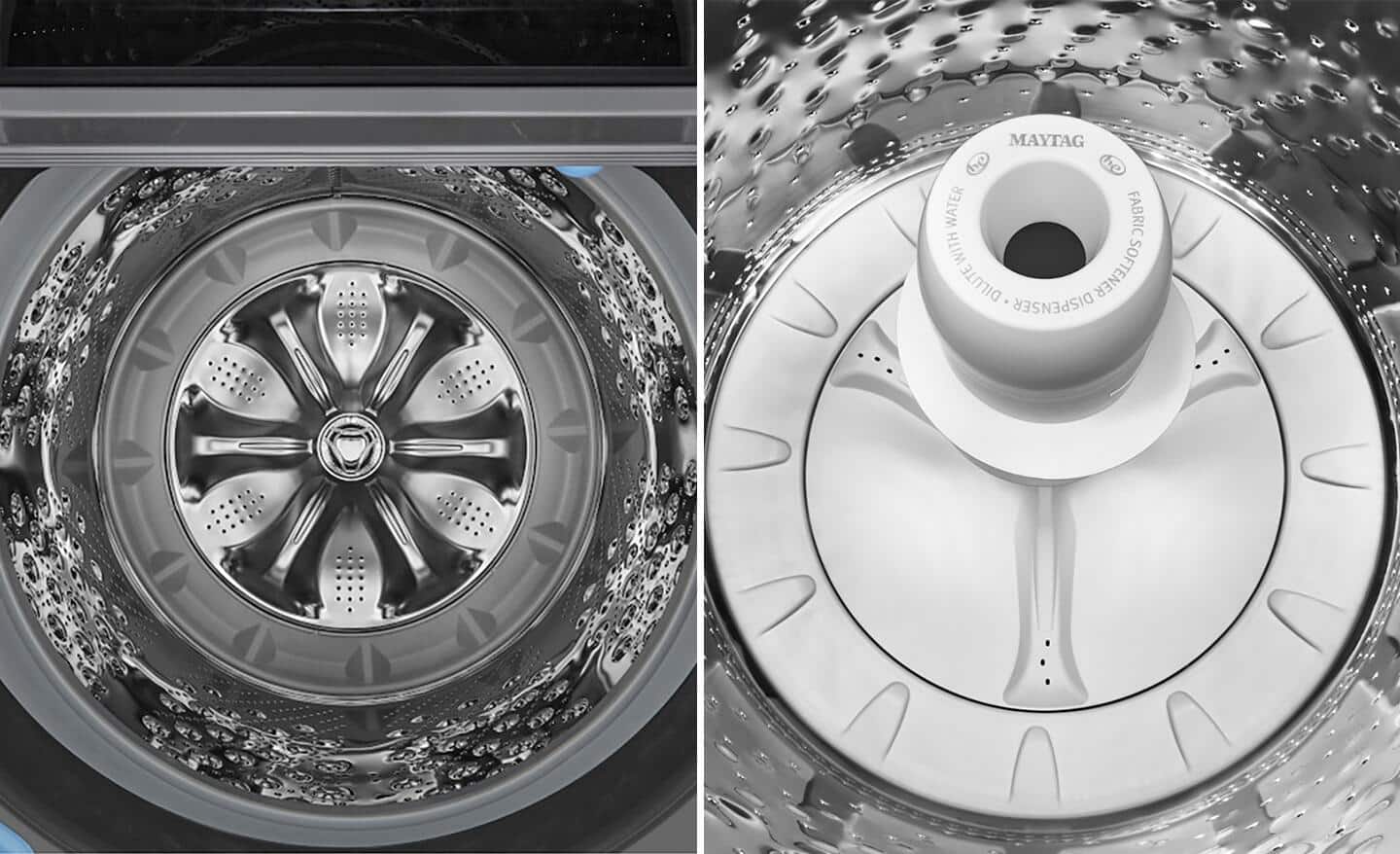
Ever pushed your laundry into that strange whirlpool at the bottom of your washing machine and wondered: what an impeller on a washing machine actually is? It’s not some mysterious gadget but the secret sauce behind many modern washers’ cleaning power, especially top-loaders.
What Exactly Is an Impeller?
Picture this: a low-profile, ribbed disc, spinning and moving clothes around gently, creating turbulent currents in the water. That’s your impeller on a washing machine in action. Unlike the bulky agitator that thrashes clothing up and down with a central post, the impeller relies on subtle, yet effective motion to scrub dirt out while being gentler on fabrics.
Think of an impeller as the smooth talker at a laundromat, coaxing stains to release without roughhousing your clothes.
Impeller vs. Agitator: The Washing Machine Face-Off
Why do I bring this up? Because the distinction affects not just how your clothes get washed but also your washing machine’s lifespan and maintenance. Agitators can be thumbs-up for tough stains but are notorious for fabric wear and noise. On the flip side, impeller washers (Maytag explains this well) offer:
- Smoother washing motions
- Better capacity thanks to the low-profile design
- Energy savings and less water use
If you’re someone who’s all about delicates and larger loads, impellers are a no-brainer. But if you run a pizza shop and have grease-stained linens to conquer daily, then maybe agitators still hold some sway.

Source: www.angi.com
Why the Impeller Matters for Washer Cleaning and Maintenance
Okay, so impellers hold sway in how your washer cleans. But here’s the kicker: their design influences how you care for your machine. Because impellers don’t have that tall agitator post, clothes swirl more freely, but dirt and grime can settle into hidden crevices around the impeller unit. Neglecting this can lead to funk — yes, the dreaded remove odor from washing machine fight.
To keep your impeller washer purring, here’s a quick rundown:
- Regularly wipe down the base and around the impeller after use to prevent buildup.
- Run a monthly cleaning cycle with a washing machine cleaner designed for front load washer cleaning and top load washer care.
- Leave the lid open after use so moisture can evaporate, cutting down on mildew growth.
Forget this, and you might find mold creeping where you least want it, hinting at poor washing machine maintenance.
Washing Machine Maintenance Checklist Table
| Task | Recommended Frequency | Purpose/Benefit |
|---|---|---|
| Clean impeller and drum | Monthly | Prevents buildup and odor, maintains efficiency |
| Run washing machine cleaner cycle | Every 1-2 months | Removes detergent residue and mildew |
| Leave door/lid open after use | After every wash | Allows drying to prevent mold growth |
| Check hoses and connections | Every 6 months | Ensures no leaks or blockages |
| Inspect detergent drawer and seals | Monthly | Removes grime and prevents odor |
Cleaning Steps for Your Impeller Washer
Wanna keep it fresh? Here’s a quick, real-world routine you can adopt:
- Empty the machine and run a hot water cycle with a cup of white vinegar — this breaks down soap scum and freshens the drum.
- Scrub around the impeller with a soft brush to dislodge any lodged dirt.
- Wipe down rubber seals and door frame with a cloth dipped in soapy water.
- Run another rinse cycle to flush out residues.
Simple steps. No rocket science here. This keeps your machine’s heart—the impeller—spinning smoothly.

Source: www.youtube.com
Wrapping It Up: Why You Should Care About Impellers
Look, washing machines aren’t just boxes that spin clothes. They’re hardworking beasts fighting grime at your side. Understanding what an impeller on a washing machine does arms you with the know-how to treat it right. If you’re serious about washing machine maintenance, whether it’s front load washer cleaning or top load washer care, you want that impeller happy and humming.

Source: www.youtube.com
So next time you toss in your pizza shop linens or weekend jeans, thank the impeller and give it the care it deserves. Your clothes—and your nose—will thank you.

Source: www.spinchill.com
FREQUENTLY ASKED QUESTIONS
Q: How is an impeller different from an agitator?
A: The impeller is a low-profile, spinning disc that moves clothes via water currents, while an agitator is a tall post with fins that physically moves clothes up and down, which can be rougher on fabrics.
Q: Does an impeller washer clean better?
A: Impeller washers are gentler and generally use less water, which makes them ideal for delicate clothes. But agitators might outperform impellers on really heavy-duty stains.
Q: How do I remove odors from my impeller washer?
A: Regularly run a cleaning cycle with washing machine cleaner or white vinegar, wipe down parts around the impeller, and leave the lid open after use to air dry.
Q: Is maintenance different for impeller washers?
A: Yes. Because of their design, it’s vital to clean around the impeller to avoid buildup, which isn’t a concern with agitators.
Q: Can I use the same detergent in an impeller washer?
A: You should use high-efficiency (HE) detergent to avoid excess suds that can cause buildup around the impeller and other parts.

Tyrone Jacobs is passionate about reducing household carbon footprints without sacrificing cleanliness. Her articles focus on high-efficiency (HE) machines, low-water washing techniques, and DIY natural machine-cleaning solutions. If you want to lower your utility bills and keep harsh chemicals out of your drain hoses, Tyrone Jacobs is your go-to expert.