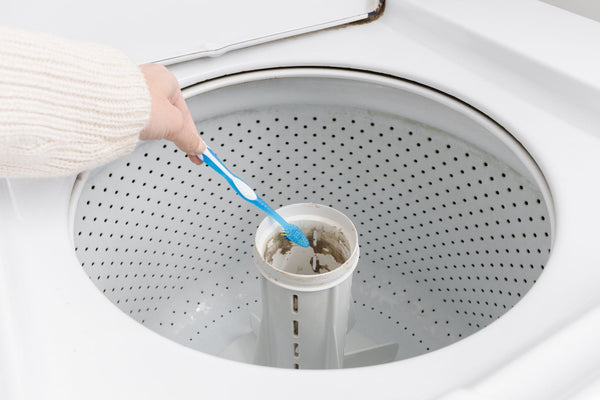
So you’re standing in the laundry room, gazing suspiciously at your washing machine, asking yourself, does all washing machines have filters? The straightforward answer is, not all, but nearly every modern washing machine does have some kind of filtering mechanism. If you’re picturing a tiny sieve catching your socks mid-cycle, that’s only half the story. This filter drama is louder than you think.
Why Are Filters Even There?
Washing machines aren’t magic boxes that just whirl clothes perfectly clean. They deal with lint, hair, coins, and every tiny nuisance that your pockets or clothes throw their way. Filters in washing machines catch these invaders, preventing blockages and preserving your machine’s lifespan. Believe me, ignoring that filter’s cries can turn your washer into a sneaky water trap or a stinky chamber of laundry horrors.
Do All Washing Machines Feature Filters?
Nah, not literally all. Most front-loading washers come equipped with visible pump filters that snag debris, but some top-load washers rely on water flow to push particles through without a dedicated filter. It’s a bit like comparing a catcher’s mitt to a barehanded block; one’s specialized, the other’s just brute force.
Check out this guide on how to find and clean your washing machine filter from a top appliance expert for your specific model. It’s not just fluff — your washer’s health depends on it.
Spotting Your Filter: The Hidden Guardian
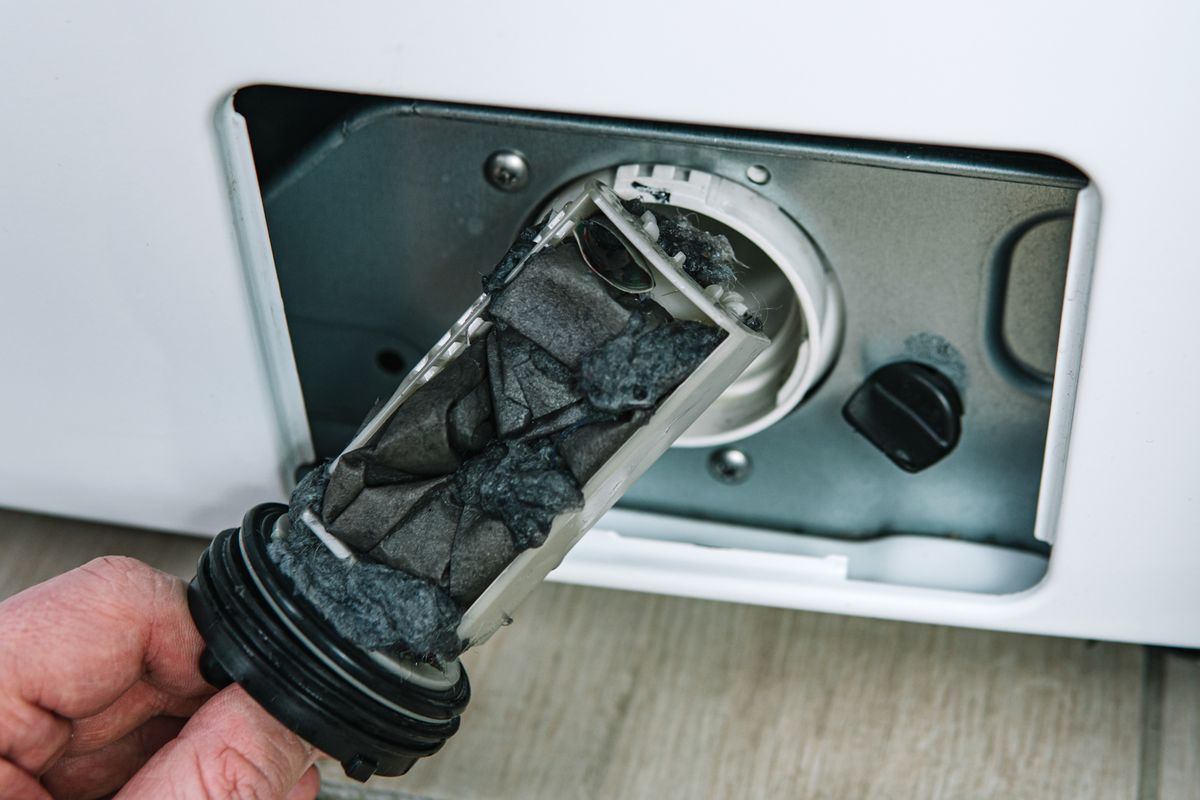
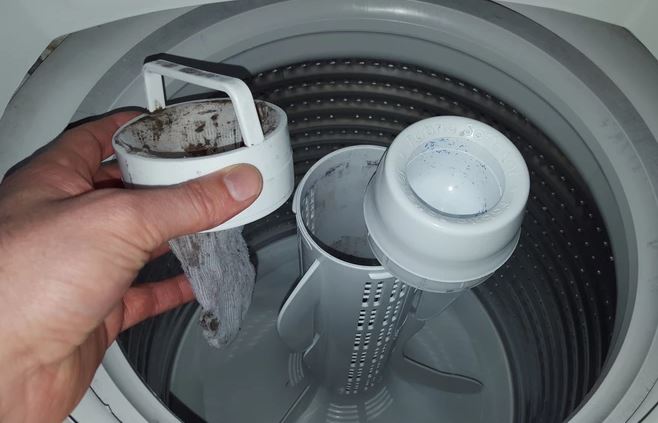
Filters usually hide behind small doors near the bottom front or inside the agitator (in some top loaders). Not seeing one? Peek under the washer or consult your manual. If you have a front load washer, it almost surely has a pump filter. The absence of a filter doesn’t mean no lint — it means your washer flushes it out differently, sometimes into your drain system, which might not be ideal for your pipes.

Source: www.townappliance.com
Source: fallonsolutions.com.au
Cleaning The Filter: Steps You Can’t Afford to Skip
Hello, lint monster cleanup time. If you hate that stinky, sluggish washer vibe (and who doesn’t?), take these simple steps to clean your filter regularly:
- Unplug the machine. Safety first — you don’t want a shocking experience.
- Locate the filter cover; it’s usually a small square or round hatch near the bottom front.
- Place a shallow pan and some towels underneath — water will spill.
- Open the hatch and unscrew the filter slowly.
- Remove debris, lint, coins, or odd bits cluttering the filter.
- Rinse under warm water and dry.
- Screw the filter back in securely and close the hatch.
For a full walkthrough on pump filter cleaning, this video tutorial on removing and cleaning the pump filter nails it.

Source: www.youtube.com
More Than Just Filters: Washing Machine Maintenance Musts
Filters are only one piece of the puzzle. Washer cleaning covers everything from odor elimination to gasket care. Neglect the rubber seals and you’re asking for mildew smells and mold. Want to keep that fresh laundry smell alive? Regular maintenance is your friend.
Source: useactive.com
Washing Machine Maintenance Checklist
| Task | Recommended Frequency | Purpose/Benefit |
|---|---|---|
| Clean washing machine filter | Monthly | Prevents clogs and water drainage issues |
| Run a cleaning cycle with washing machine cleaner | Monthly | Removes odor-causing residues and buildup |
| Wipe door seals and gaskets | Weekly | Prevents mold and mildew growth |
| Check hoses for leaks and wear | Every 6 months | Avoids water damage and flooding |
| Leave door open after use | After each wash | Allows moisture to evaporate, reducing odor |
Never Ignore the Filter Warning Signs
Your washer might start acting up subtly. Clothes come out soggy. The drain cycle drags longer. Weird noises happen. These are your washing machine’s desperate SOS signals about the filter or drainage system. Don’t be the person who waits till water floods the floor and laundry piles up. Act fast — cleaning the filter might just save your day.
Want Fewer Microfibers in Your Water?
Washing machine filters do more than protect your washer; they help trap microfibers before they slip into waterways. An interesting read on this environmental angle from Frontiers in Marine Science highlights how proper filter maintenance reduces microfiber pollution. Pretty cool that your laundry routine can help save the ocean.
Before You Go: Common FAQs
Q: How do I know if my washing machine has a filter?
A: Check for a small hatch near the bottom or consult your manual. Front loaders almost always have them.
Q: What happens if I never clean my washer filter?
A: Clogged filters cause slow drains, bad odors, leaks, and costly repairs.
Q: Can I use any cleaning product on my washer’s filter?
A: Stick to warm water and mild soap. Avoid harsh chemicals that might damage components.
Q: Do all top load washers have filters?
A: Not always, but some have lint traps or alternative filtering systems.
Q: Is filter maintenance damaging my machine’s warranty?
A: No. Regular cleaning as per manufacturer instructions is generally encouraged to keep your warranty valid.
So, next time you wrestle with your washer, remember: that silly little filter isn’t just a piece of plastic. It’s the unsung hero, the gatekeeper stopping sock goblins and gunk. Give it some love. Your washing machine—and your clothes—will thank you.
Need extra tips? The Dettol guide on cleaning washing machine filters is a handy resource to keep you on track. No fluff — just solid advice for your washer’s health.

With over 15 years of hands-on experience in the appliance repair industry, Erick Jackson is WashingMachineCare’s resident gearhead. He holds multiple manufacturer certifications and specializes in breaking down complex mechanical failures into easy, step-by-step DIY fixes. When he’s not covered in grease, Erick Jackson enjoys restoring vintage washing machines to their former glory.