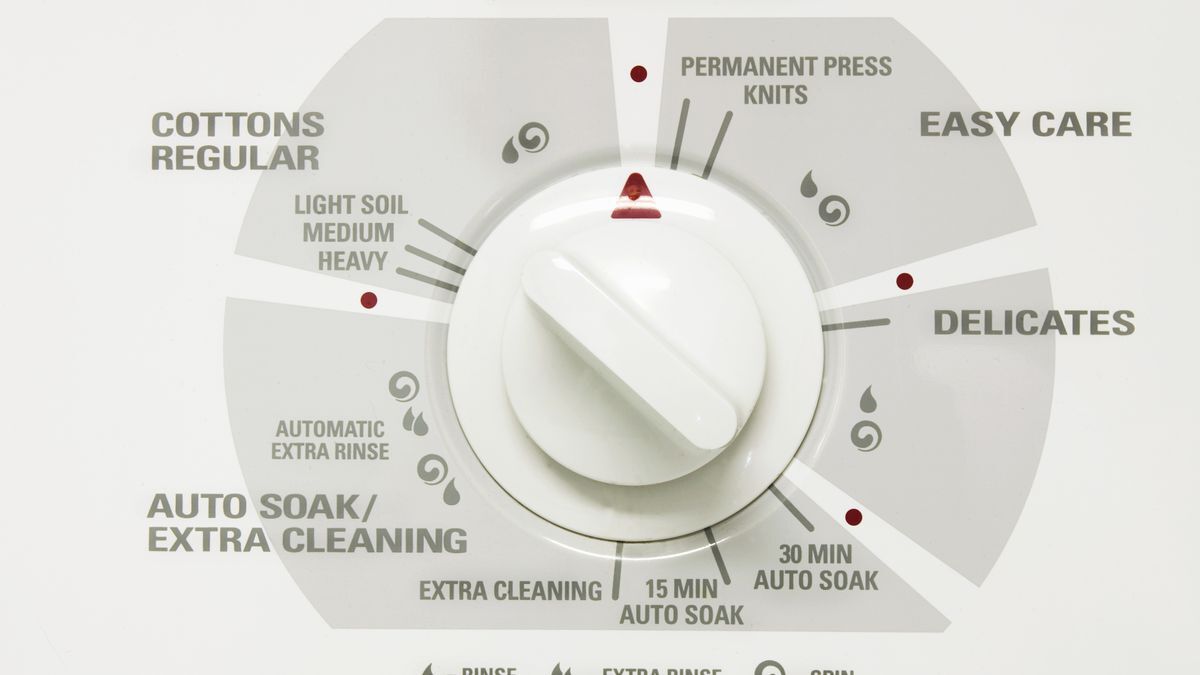
Ever stood there staring at your washing machine, asking, how long is the wash cycle in a washing machine anyway? It’s like waiting for paint to dry. But it doesn’t have to be a guessing game. The truth? It depends—on your machine, the cycle, and what you’re tossing in there.
How Long Does a Washing Machine Take?
Let me shoot straight. Most standard wash cycles clock in between 28 minutes to 2 hours. Two hours sounds brutal, right? But that’s for heavy-duty stuff—think muddy work boots, gym clothes soaked in sweat, or your devilishly stinky kids’ soccer uniforms. Lighter loads like delicates? You’re usually in and out in under 40 minutes.

Source: theapplianceguys.com.au
Whirlpool breaks down these timings well. Their guide shows basic cycles hovering around 30-45 minutes, while bulky or deep-clean cycles crank it up to 90+ minutes. Check Whirlpool’s wash cycle timeline for all the gritty details.
Why the Wild Variation?
- Type of washing machine: Front-load washers generally take longer than top-loaders because they clean more gently but thoroughly.
- Cycle choice: Quick wash, normal, heavy-duty, whites, or eco-friendly modes all vary hugely.
- Load size and soil level: Overload that drum or cram in grimy clothes, and your washer compensates with longer cycles.
- Water temperature: Hot cycles sometimes take longer due to heating time.
Maytag’s resource digs deeper into these factors — and how they influence the total wash time — which you can explore right here.
Source: spincyclelaundrychicago.com
Is Longer Always Better?
Heck no. Overshooting your wash cycle wastes energy, water, and shortens machine life. Think of your washing machine like a racing car: you want it tuned for the race, not careening at full speed around the clock.
Source: www.reddit.com
Eco-friendly cycles stretch out to save resources but might skimp on heavy grime. Quick washes are lightning-fast but only for lightly soiled stuff. Matching your load to the right cycle is key. Rinse’s handy guide on washing machine cycles breaks down which to pick and why: Washing Machine Cycles 101.

Source: lucentglobe.com
Keeping Your Washer in Fighting Shape
Stopping odors and keeping that front load washer cleaning game strong means routine maintenance. Here’s the deal: if you neglect washer cleaning, nasty smells and mildew sneak in. I know because I once ignored that funky smell until one neighborhood dog looked ashamed at my laundry room.
Regular washing machine maintenance does wonders. Start with these steps:
- Run a monthly cleaning cycle with a washing machine cleaner or white vinegar to kill build-up.
- Always leave the door or lid open after a wash to air out moisture.
- Wipe down seals with a cloth soaked in vinegar or bleach solution to stop mold.
- Clean out the detergent drawer monthly.
- Check and clean the lint filter or pump filter if your model has one.
Frigidaire provides a useful article on how long wash cycles typically run on laundry centers, great for those multi-use machines.
Simple Washing Machine Maintenance Checklist
| Task | Recommended Frequency | Purpose / Benefit |
|---|---|---|
| Run cleaning cycle with washer cleaner or vinegar | Monthly | Removes odor-causing residues and mold |
| Leave door open after use | After every wash | Prevents moisture build-up and mildew growth |
| Wipe door seals and gasket | Monthly | Keeps mold and mildew at bay |
| Clean detergent drawer and compartments | Monthly | Prevents buildup and clogging |
| Check and clean lint/pump filters | Quarterly | Ensures proper drainage and reduces odor |
Tips to Remove Odor from Washing Machine
Nobody wants a sour-smelling washer (or worse, laundry). If a funk develops, tackle it by:
- Run a hot wash cycle with 2 cups of baking soda and 2 cups of white vinegar—this combo cuts through grime and odor relentlessly.
- Manually clean the gasket and drum with a bleach solution when mildew is stubborn.
- Keep the door ajar when not in use.
- Use powder detergent instead of liquid if smells persist—it leaves less residue.
Top Load Vs. Front Load Washer Care
If you’ve got a front load machine, you’re in for gentler, more efficient washing. But they tend to trap moisture, so front load washer cleaning is a must to stop odor buildup. Leaving the door slightly open and wiping down seals is a non-negotiable habit.
Top load washers usually have simpler maintenance since the lid stays open during the wash, helping them dry out naturally. However, they can accumulate detergent scum along the drum. So, routine deep cleaning cycles are a good call.
Source: www.cnet.com
DIY Washer Cleaning
If you like things hands-on, here’s a quick, no-frills method:
- Empty the washer completely.
- Run the hottest cycle with no laundry, adding 2 cups of white vinegar.
- When halfway through, stop the machine and let it sit for an hour to allow vinegar to work.
- Restart cycle to finish it off.
- Wipe down the inside door, rubber gaskets, and detergent drawers with a vinegar solution.
Final Thought
So, how long is the wash cycle in a washing machine? It’s not a fixed number, and that’s fine. The key is knowing what cycle suits your laundry load and doing proper washer cleaning and maintenance to keep those cycles running perfectly clean and fresh. Regular TLC for your washing machine saves you cash and headaches down the line (no one wants a foul-smelling laundry day disaster).
For even more detailed tips and tricks, don’t miss CHOICE’s guide to washing machine cycle times and CleanMySpace’s expert breakdown on wash cycle differences. Knowledge is power when it comes to laundry mastery.

With over 15 years of hands-on experience in the appliance repair industry, Erick Jackson is WashingMachineCare’s resident gearhead. He holds multiple manufacturer certifications and specializes in breaking down complex mechanical failures into easy, step-by-step DIY fixes. When he’s not covered in grease, Erick Jackson enjoys restoring vintage washing machines to their former glory.