Have you ever opened your washing machine only to be hit by a stench that screams “rotting eggs”? It’s not just gross; it’s a signal your machine needs some urgent attention. So, why does your washing machine smell like rotten eggs? Let’s dive into the nitty-gritty and unscrew the mystery.
What’s Behind That Rotten Egg Smell?
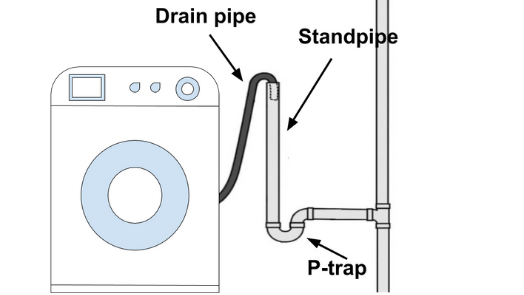
The culprit is hydrogen sulfide gas—a sulfur-smelling villain produced when bacteria feed on trapped organic matter inside your washer. This usually occurs in the dark, damp corners of the machine, such as dirty detergent dispensers or the rubber door gasket on front loaders. If the smell sneaks up intermittently (asked on JustAnswer appliance forums), it’s often because water isn’t draining properly or old grime is stuck waiting for its moment.
Source: inhouseplumbingcompany.com
Front Load vs. Top Load: Smell Issues Differ?
Front load washers, with their rubber seals and horizontal drums, trap more residual water. This encourages bacterial growth and persistent odors. Top loaders aren’t immune though; if you let wet clothes sit or don’t run regular cleaning cycles, foul odors can creep in—exactly the issues discussed in Reddit cleaning tips.
How to Kick That Stink Out – Step-by-Step
Fixing your washer’s stink? Easier than you think. Here’s a proven sequence to tackle that sulfur stench head-on.
- Empty the machine. Give it a fresh start without clothes.
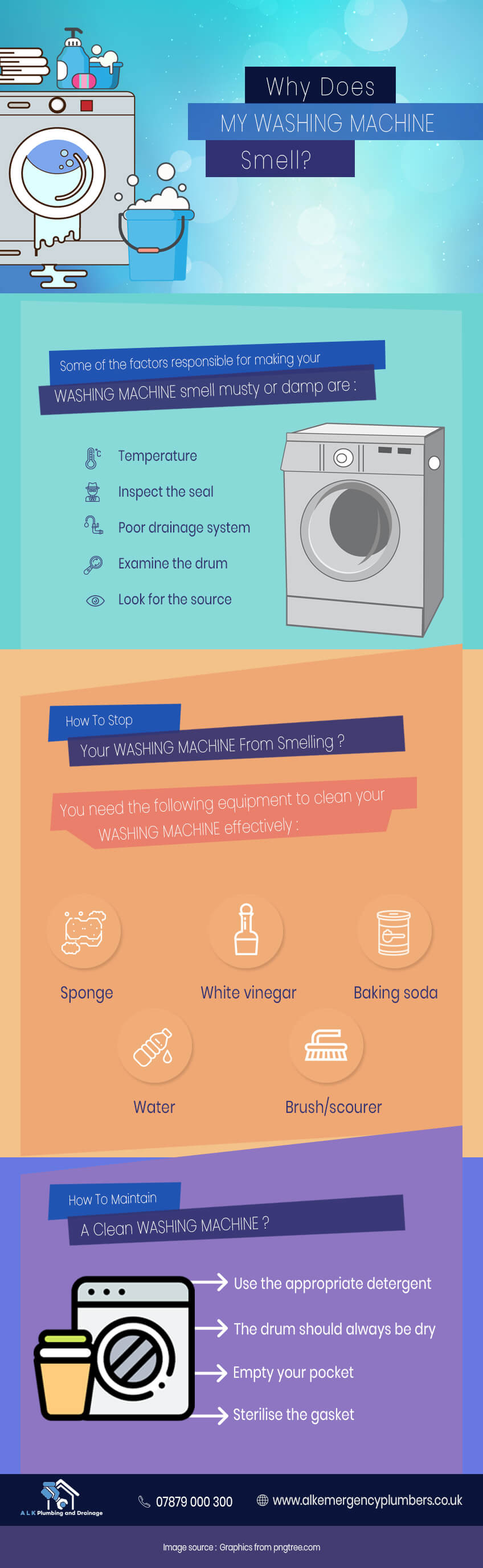
- Run a hot wash cycle. Use the hottest water setting and add white vinegar (about 2 cups). Vinegar kills bacteria and cuts grease.
- Clean out detergent trays. Remove residue using warm, soapy water. These are bacterial breeding grounds.
- Scrub the gasket. For front loaders, focus on that door seal. Use a mixture of baking soda and water to scrub off slime.
- Run another rinse cycle. Flush out remains with hot water only.
- Leave the door open. Air circulation is key to prevent moisture buildup.
Need more expert insight? Check out East Coast Appliance’s guide which offers helpful tips on washing machine odors.
Source: alkemergencyplumbers.co.uk
Stop that Smell from Coming Back: Washing Machine Maintenance Tips
Picture this: Steve, the pizza shop owner on 4th Street, lets his washer air out after each use. No more funky smells. You can be like Steve by adopting these habits:
- Always use the right amount of detergent; excess creates a residue playground.
- Run a monthly maintenance wash with bleach or washing machine cleaner (from 2uLaundry’s cleaning advice).
- Remove wet laundry promptly after cycles end.
- Keep the door or lid open between loads.
- Check and clean filters regularly.
Washing Machine Maintenance Checklist
| Task | Recommended Frequency | Purpose/Benefit |
|---|---|---|
| Run cleaning cycle with vinegar or machine cleaner | Monthly | Eliminates bacteria & mineral buildup causing odors |
| Clean detergent dispensers | Every 2 weeks | Prevents residue buildup and mold growth |
| Wipe door gasket & drum | Weekly | Removes trapped moisture & debris |
| Leave door/lid open after wash | After every use | Promotes drying and stops musty smells |
| Check and clean filters | Every 3 months | Keeps drainage clear and prevents odors |

Source: www.youtube.com
When Smells Persist Despite Cleaning?
If the rotten egg smell stubbornly lingers, it might be time to call in pros or check for plumbing issues. Sometimes, sulfur bacteria hide in your home’s water supply or drainage (as discussed on Azuna Fresh blog). Or the drain hoses might have developed blockages or leaks.
Final Words: Take Control Before It Gets Worse
A funky-smelling washing machine isn’t just a minor annoyance; it’s a signal your appliance is begging for care. Don’t wait until your clothes start smelling funky or your machine breaks down. Keep your washer clean, dry, and fresh.

Source: www.youtube.com
For more tips on avoiding washer odors and keeping your laundry game strong, Whirlpool offers an insightful resource on why washers smell and how to fix it.
So next time that rotten egg stench hits you in the laundry room, you’ll know exactly what to do — and you’ll do it like a champ.
Source: inhouseplumbingcompany.com

Lonnie Clarke believes that taking care of your washing machine starts with what you put into it. As a former textile quality controller, she understands exactly how different fabrics, water temperatures, and detergents interact with your appliance’s drum. She writes our comprehensive guides on preventing mold, choosing the right cycles, and extending the life of your clothes.