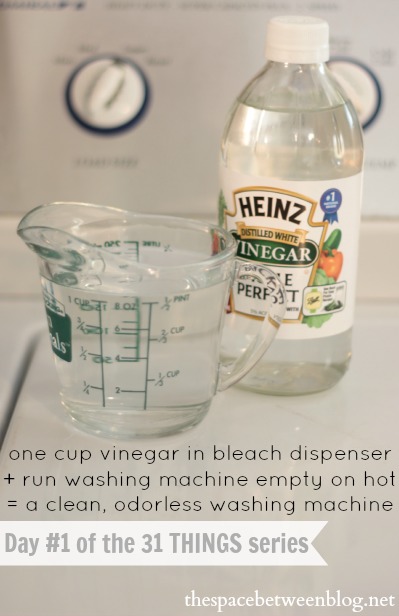
Ever toss clothes in the wash only to fret about that weird smell lingering afterward? Yeah, your washing machine could be screaming for a deep cleanse. But before you go wild with every cleaning hack on the internet, let me cut through the noise on how to clean a wash machine with vinegar. It’s not just about chucking vinegar in and hoping for the best.
Why Vinegar? The Truth About Washing Machine Cleaning
People swear by vinegar because it’s inexpensive, eco-friendly, and can cut through detergent buildup. But Whirlpool’s experts caution that using vinegar occasionally is fine, but hammering your machine regularly with vinegar can degrade rubber seals and hoses over time (Whirlpool on cleaning with vinegar). So pace yourself, friend.
Source: www.thespruce.com
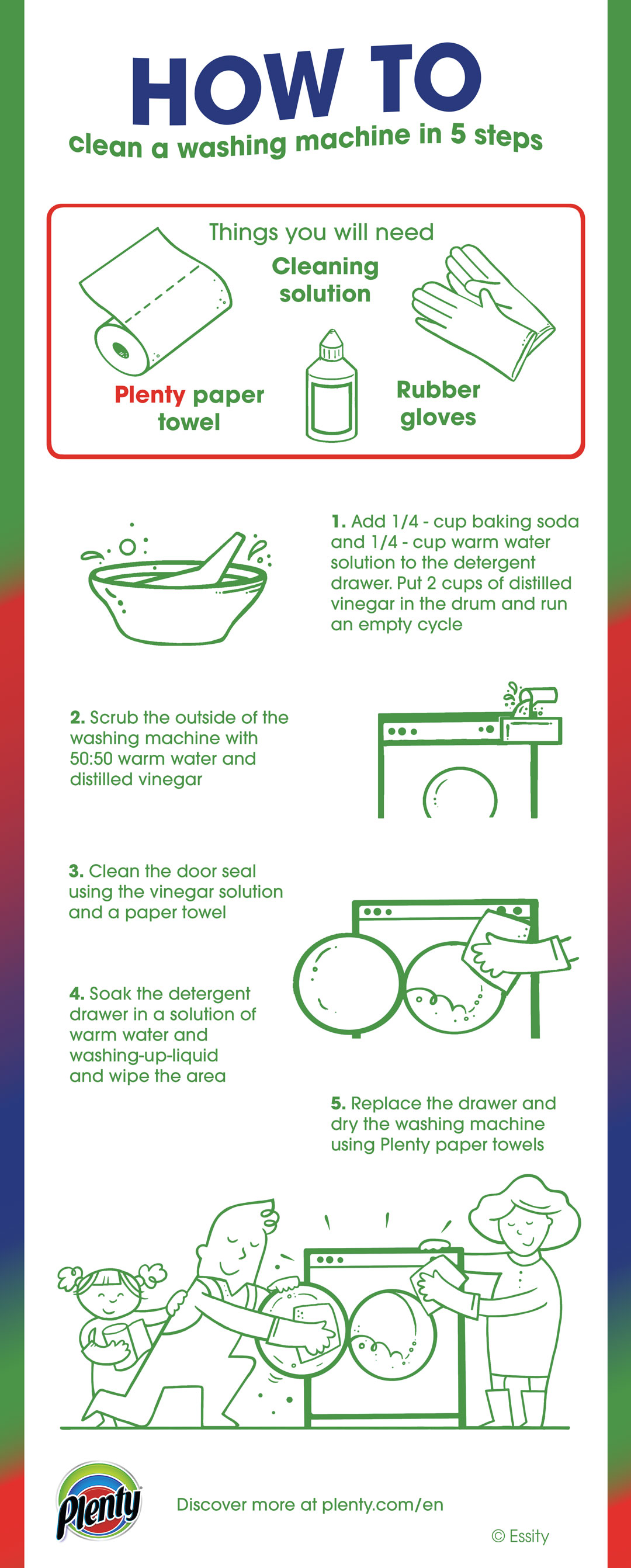
Step-by-Step: How to Clean Your Washing Machine with Vinegar – The Safe Way
Follow these precise instructions like you’re defusing a bomb—because ignoring this advice can spell trouble for your washer’s lifespan.
- Empty the drum. Sounds obvious, but trust me, no socks or random laundry lurking inside.
- Set your washer to the hottest and longest cycle. Hot water is your weapon against grime.
- Pour about 2 cups of white distilled vinegar into the drum. That’s your cleaning agent attacking soap scum and mineral buildup.
- Start the cycle and let it run fully. Ideally, pause it halfway so the vinegar can soak for an hour—this boosts cleaning power.
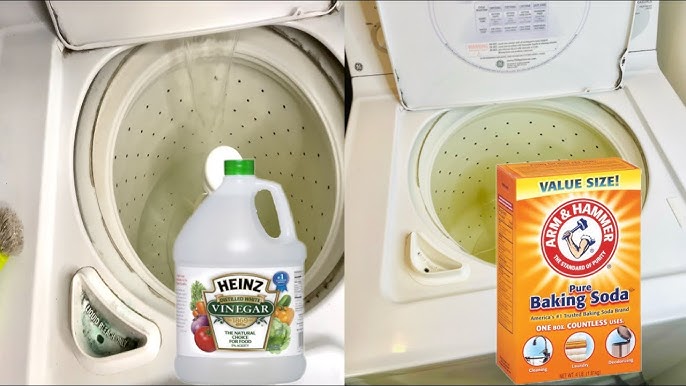
- Run a second cycle. This time, sprinkle half a cup of baking soda directly into the drum and let the machine complete the cycle.
- Wipe down your machine’s interior and rubber gasket with a microfiber cloth soaked in vinegar. Don’t skip the door seal if you have a front load washer; it harbors funky smells.
Trust me—this combo tackles gunk like nothing else while staying kind to your machine’s delicate parts.
Source: www.plenty.com
Stop! When Vinegar Isn’t Your Best Choice
Maytag’s tech crew warns that vinegar can accidentally corrode metal parts inside some washers and diminish the effectiveness of rubber seals over repeated use (Maytag on vinegar risks). If your washer’s manual explicitly advises against vinegar, heed that. Use specialized washing machine cleaners designed to protect your appliance’s guts instead (Affresh’s recommended cleaners).
Keeping Your Washer Fresh Long-Term: Maintenance Hacks I Swear By
Imagine a chef who cleans their station only after the kitchen explodes. Dumb, right? Same with washing machines—they need consistent TLC to avoid becoming odor dens.
- Leave the door open after each load. Airflow prevents mold and mildew buildup.
- Wipe the rubber gasket weekly. Front-load washers are notorious for trapping moisture here.
- Run a monthly vinegar+ baking soda clean. Don’t overdo it—once every 4 to 6 weeks is plenty.
- Use the right detergent amount. Excess soap equals more residue to fight.
- Check hoses and filters periodically. Replace any cracked hoses promptly to avoid leaks.
Washing Machine Maintenance Checklist
| Task | Recommended Frequency | Purpose/Benefit |
|---|---|---|
| Run vinegar and baking soda cleaning cycle | Every 4–6 weeks | Breaks down soap scum and kills odor-causing bacteria |
| Wipe rubber gasket and door seal | Weekly | Prevents mold/mildew buildup and associated odor |
| Leave door open post-wash | After every wash | Allows drying to avoid moisture buildup |
| Inspect hoses and filters | Every 6 months | Prevents leaks and maintains water flow efficiency |
| Use detergent with care | Every wash | Prevents buildup reducing washer efficiency |
Extra Tips for Top-Load and Front-Load Washer Care
Top-loaders dig a little different cleaning approach. Affresh recommends their specialized products tailored for top-load washers, designed to keep things spotless without risk (Affresh on top-load cleaning). Meanwhile, front-load machines demand you keep that door seal squeaky clean since it traps water and grime.
Thinking of mixing vinegar with your detergent every wash? Big no. It might seem harmless, but the acid interferes with detergent performance and machine parts over time. Want the gritty truth on what happens when vinegar meets your washer? Check out this eye-opening video on vinegar’s effects.
The Bottom Line: Should You Use Vinegar to Clean Your Washer?
Yes, but with caution. Vinegar is a solid option to clean your washing machine as long as you don’t abuse it. For Pete’s sake, avoid weekly vinegar blasts. Follow safer cycles and preserve your washer’s life. If you really want to play it safe and extend the lifespan of your prized appliance, consider blending vinegar cleanses with professional-grade washers cleaners or manufacturer-recommended products. Remember, your washing machine is working hard for your clothes, so returning the favor with smart maintenance is just good sense.
Now go, conquer that funky smell and flex your washer cleaning muscle—because nobody wants to wear sour-smelling clothes. And yeah, your laundromat buddy who swears by vinegar cleaning will back you up on this one.
For more on combining natural products safely and keeping your washer purring, Truly Free Home has a fantastic breakdown on vinegar and baking soda cleaning hacks.
And hey, here’s a quick shortcut: every now and then, give your washer a quick run with just hot water and no detergent—helps flush out any leftovers. Simple, effective, and your washer will thank you.
Source: www.youtube.com

Tyrone Jacobs is passionate about reducing household carbon footprints without sacrificing cleanliness. Her articles focus on high-efficiency (HE) machines, low-water washing techniques, and DIY natural machine-cleaning solutions. If you want to lower your utility bills and keep harsh chemicals out of your drain hoses, Tyrone Jacobs is your go-to expert.