Ever stood there staring at your washing machine wondering, “How much water does this thing actually gulp down every wash?” Yeah, me too. It’s like, you hear numbers tossed around casually—tens of gallons, sometimes barely a splash—but what’s the real scoop? Let’s get into the nitty-gritty because understanding washing machine water usage isn’t just about your water bill (though that’s a big part!), it’s about making smarter choices for your household and the planet.
How Much Water Does the Washing Machine Use?
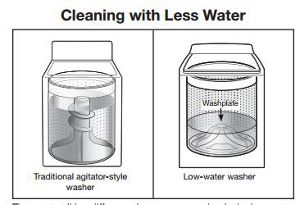
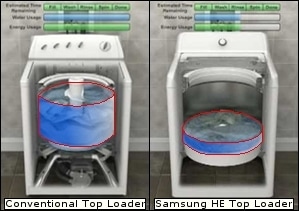
Listen, it all boils down to the type of washer you’re rocking. You’ve got HE (High-Efficiency) machines and the old-school ones. A standard top-loading washing machine slurps up about 30 to 45 gallons per load. If you’re thinking, “That’s a ton,” you’re right. On the flip side, those sleek front load washers—the eco-friendly champs—need roughly 15 to 30 gallons per load. Halving your water consumption like that? That’s massive. And no, it doesn’t skimp on the soap power.
Maytag breaks it down well, highlighting that an older washer can guzzle 40+ gallons every cycle, while modern water-saving models cut that dramatically ([see details here](https://www.maytag.com/blog/washers-and-dryers/washing-machine-water-usage.html)). So if your unit’s from the ’90s? Time for an upgrade.

Source: home.howstuffworks.com
Front Load vs. Top Load: What’s The Water Count?
Imagine your front load as that minimalist friend who packs light—only bringing what’s necessary. It tumbles and swirls the clothes rather than drowning them. Contrast that with the top loader, which basically floods the drum to clean. This fundamental difference means front loaders inherently conserve water. It’s why front load washers use less water overall. Not to mention they often clean faster and are gentler on your threads.
Why Washing Machine Water Usage Matters
Let me toss an idea your way. Think about the guy running a pizza shop on 4th Street. He’s got a juicy water bill that’s cutting into profit. If he switched to water-efficient equipment, those savings pile up fast. Your household water bill works the same way. Plus, if you’re even a tiny bit eco-conscious (or want to avoid guilt trips), trimming your washing machine’s water footprint is a solid move.

Source: www.whirlpool.com
How To Save Water Without Skimping On Clean
You don’t have to wrestle your dirty clothes by hand to save water. Here’s the deal:
- Load ‘Em Full: Don’t waste water on tiny loads. That machine’s thirst doesn’t downscale by half if you do less laundry.
- Opt for Cold Water: Cold cycles often need less water since the wash is more efficient on modern detergents and machines.
- Use HE Detergent: This pairs perfectly with low-water washers, preventing excess suds and rinse cycles.
- Upgrade Wisely: Consider swapping out that water hog if it’s decades old.
Source: www.youtube.com
Washing Machine Maintenance Saves Water Too
Here’s the kicker: your washer’s water efficiency dips if it’s not well maintained. Grimy buildup, funny smells, and poor rinse cycles all sneak in when you slack on cleaning your machine. Front and top load washer cleaning isn’t just about smelling fresh—it directly affects how much water your machine uses.
Try these steps to keep your washer in fighting shape:
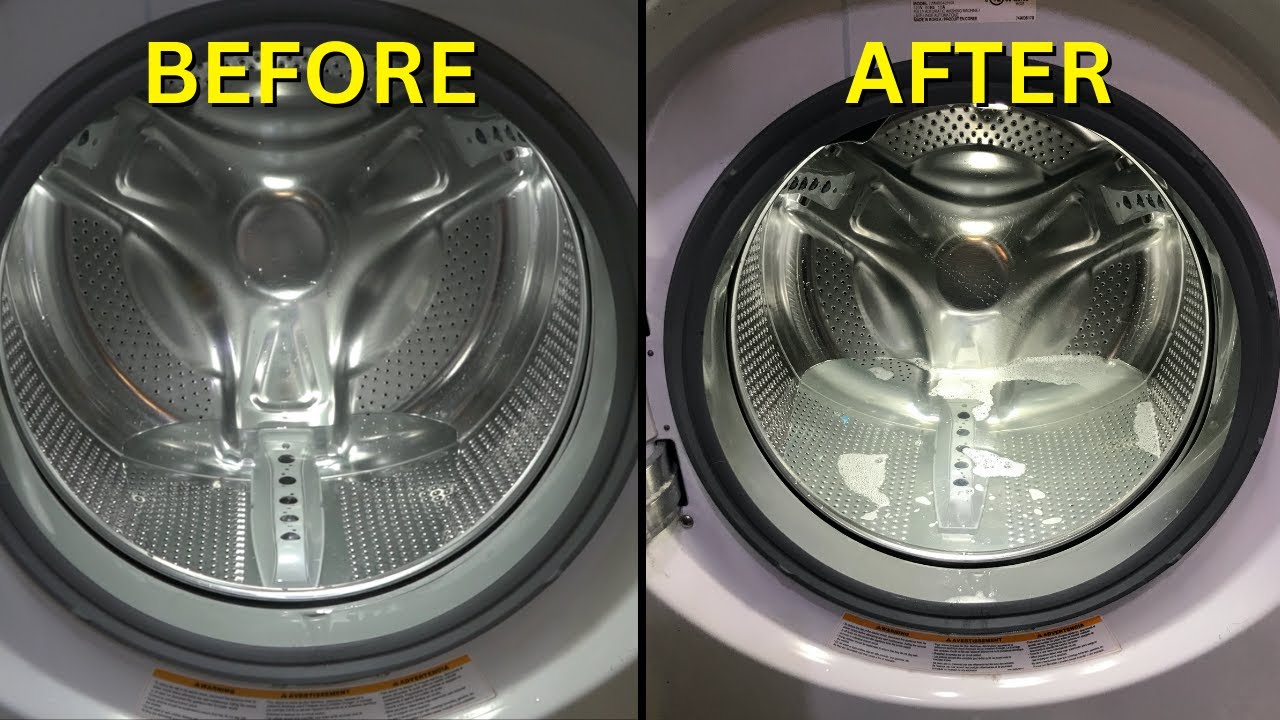
- Run a monthly cleaning cycle with washing machine cleaner or white vinegar to remove odors and buildup.
- Check and clean filters regularly to maintain water flow efficiency.
- Wipe the drum and door seals to prevent mold and residue.
Neglect these and you’ll find your washer silently guzzling more water just to do the same job.
Washing Machine Maintenance Checklist
| Task | Recommended Frequency | Purpose/Benefit |
|---|---|---|
| Run cleaning cycle with vinegar or specialized cleaner | Monthly | Remove odors and detergent buildup to maintain efficiency |
| Clean lint and water filters | Every 3 months | Ensure proper water flow and prevent clogs |
| Wipe drum and door seals | Monthly | Prevent mold and preserve washer hygiene |
| Check hoses for leaks or wear | Annually | Prevent water loss and flooding |
| Inspect detergent drawer for residue | Monthly | Ensure detergent dispenses properly, avoiding overuse |

Source: cornerstonebmsr.wixsite.com
Keep These Safety Tips in Mind
While you’re at it, don’t just hop into washing machine care without taking precautions. Unplug your appliance before any maintenance. When using cleaning chemicals, follow label instructions strictly to avoid damage or reactions. These tiny safety steps protect you and your machine.
Still Curious? Dive Deeper
For even more sharp insights into your washer’s water footprint and savvy care tips, check out Home Water Works which gives a clear breakdown on clothes washer water use in homes. Or explore government-backed advice on conservation with NPS laundry practices that can help you trim water use significantly.
Source: www.samsung.com
So next time you hit start on your washing machine, you’ll know just how much water it’s drinking—and how to make it sip smarter. Because if you’re running a laundry room (or just juggling weekly loads at home), that knowledge is power. And money saved. And hey, a bit of planet saved too. That’s a wash worth making.

Lonnie Clarke believes that taking care of your washing machine starts with what you put into it. As a former textile quality controller, she understands exactly how different fabrics, water temperatures, and detergents interact with your appliance’s drum. She writes our comprehensive guides on preventing mold, choosing the right cycles, and extending the life of your clothes.