Ever paused while doing laundry and wondered, how many amps does a washing machine use? It’s one of those nagging questions you don’t expect to keep floating in your mind – but here’s the thing: knowing this helps you avoid unintended sparks (literally) and keeps your home’s electrical system stress-free.
Not All Washers Are Created Equal: Amp Draw Basics
Let’s get real – washing machines don’t come with a one-size-fits-all electric appetite. Most typical washers pull between 5 and 15 amps during operation. Why such a range? It boils down to the type (front load or top load), age, and energy efficiency of your appliance. For instance, a standard older top load model might sting your circuit with up to 15 amps or more, while today’s energy-conscious front loaders generally coast closer to 5-10 amps.

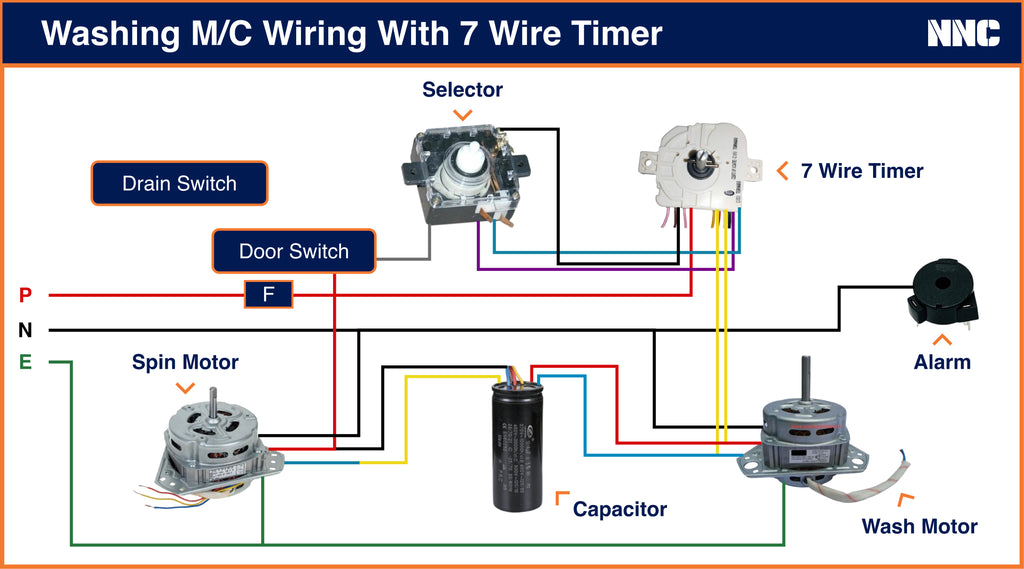
Source: nassaunationalcable.com
So, when you flip that dial or press start, your washing machine is gulping more electricity than your phone charger but less than, say, a hairdryer on full blast. But here’s the kicker—those amps spike during wash cycles that need more power, like the spin cycle, when the motor cranks at full capacity.
Why Should You Care About Amps Anyway?
Understanding amps isn’t just a geeky curiosity. It’s crucial for:
- Preventing circuit overloads: It’s like packing a suitcase—you can only stuff so much before the zipper pops. If your washer plus other gadgets on the same circuit add up to more than the circuit’s rating (typically 15 or 20 amps), you’re inviting a breaker trip.
- Choosing the right electrical setup: Planning a laundry room? Make sure the circuit wiring and breaker match your washer’s current needs. The magic number here is usually a 20-amp laundry circuit—enough juice to handle most machines comfortably.
- Energy bills and efficiency: More amps mean more electricity means a bigger bill. Knowing your washer’s power draw helps keep your budget in check.
Let’s Talk Safety: What Happens If You Wanna Push Your Washer Beyond Its Limits?
Imagine running five heavy appliances simultaneously on a circuit made for one or two—it’s a recipe for sparks and headaches. Overloaded circuits cause frequent breaker trips or, worse, fire hazards. A washing machine pulling more amps than your wiring can handle is flirting with disaster.
That’s why manufacturers recommend installing washers on dedicated circuits sized correctly to the machine’s requirements. You can’t just plug it anywhere; don’t be that guy who shorts out the whole house trying to do laundry.
Quick Tips on Washer Cleaning & Maintenance to Keep Things Smooth
Speaking of stress, your washer itself hates it when you skip out on maintenance. Dirty washers can odor up your laundry room and drag up your energy bills by forcing the machine to work harder. Here’s a simple path to keeping your machine fresh and efficient:
- Run a monthly washing machine cleaning cycle using manufacturer-approved cleaners or a vinegar and baking soda mix to remove odor and buildup.
- Check and clean the lint filter and detergent drawer regularly to prevent clogs.
- Wipe down door seals on front load washers after each use to avoid mold and mildew.
- Inspect hoses for cracks or leaks periodically and replace as needed.
Washing Machine Maintenance Checklist
| Task | Recommended Frequency | Purpose/Benefit |
|---|---|---|
| Run cleaning cycle | Monthly | Remove odor, prevent buildup, maintain efficiency |
| Clean lint filter and detergent drawer | Every 2 weeks | Prevent clogging, ensure proper detergent flow |
| Wipe door seals | After every use (front load washers) | Prevent mold and mildew growth |
| Inspect hoses | Every 6 months | Prevent leaks and water damage |
More Wattage and Electrical Insights
If amps are confusing, think about watts—the actual energy used. Most washers pull around 300-500 watts during the wash and can spike much higher during the spin cycle. If you’re curious about your exact machine’s watt usage, check its label or manual. You can also visit Nexamp’s detailed guide on washing machine wattage for deeper insight.

Source: honorservices.com

Source: honorservices.com
Remember: The amp draw can vary depending on the cycle chosen, the load size, and even water temperature. Hot water cycles use more electricity because the heater turns on.
One Last Thought
Electricity isn’t just numbers and wires. It can be a hidden beast ready to trip up your day if neglected. Next time you start your laundry, imagine the electrical symphony playing behind the scenes—every amp matters, every cycle counts.
Want a safe, odor-free wash every time? Stick to proper washing machine maintenance tips. Keep circuits happy, your machine humming, and your clothes fresh without the drama. No need to become an electrician—just be smart and stick to the basics.
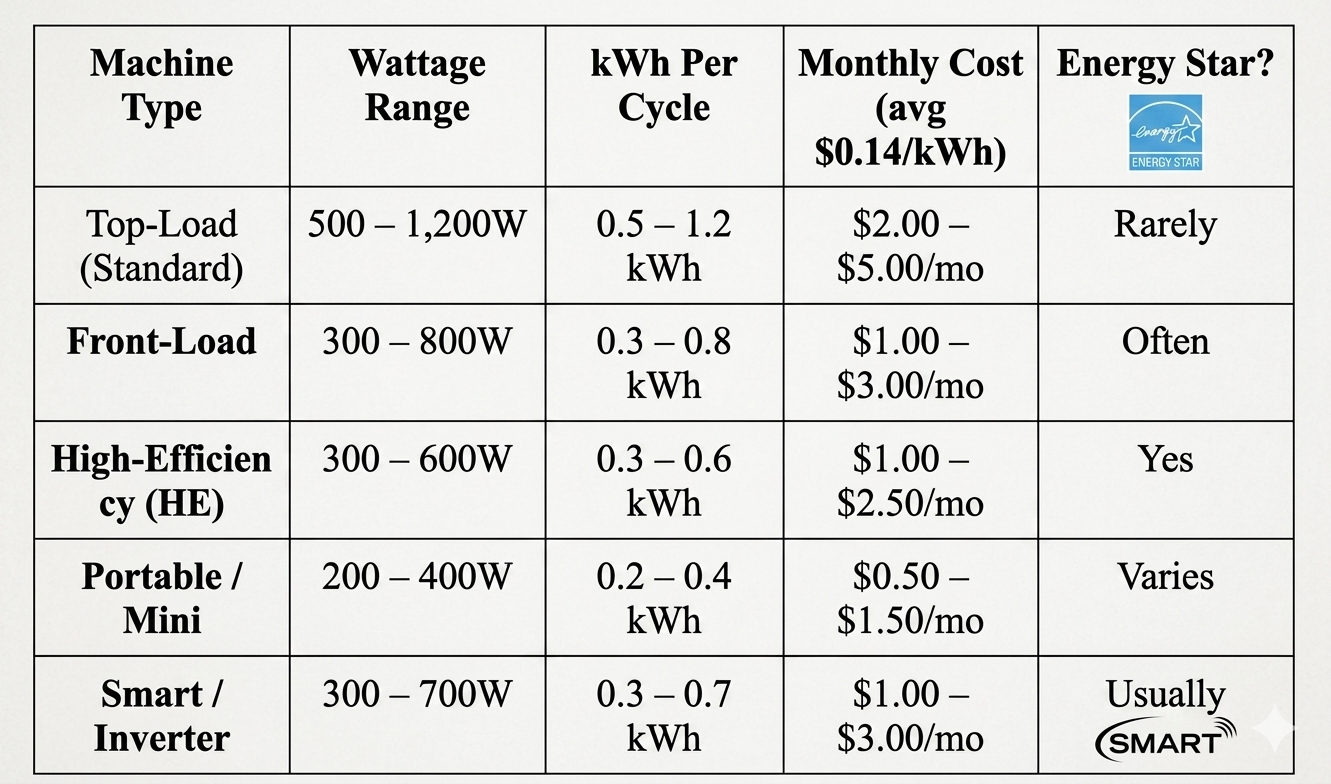
Source: bynext.co

Tyrone Jacobs is passionate about reducing household carbon footprints without sacrificing cleanliness. Her articles focus on high-efficiency (HE) machines, low-water washing techniques, and DIY natural machine-cleaning solutions. If you want to lower your utility bills and keep harsh chemicals out of your drain hoses, Tyrone Jacobs is your go-to expert.