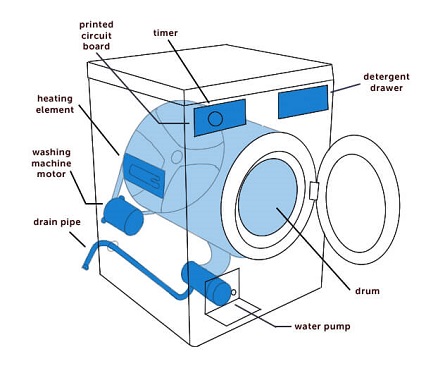
Ever stared at your washing machine mid-cycle and thought, “What’s really going on in there?” Washing machines seem like these magical boxes that do their job, but beneath their simple appearance lies a fascinating choreography of mechanics and technology. Let’s rip off that curtain and see how it works washing machine style, plus share the dirt on keeping it fresh for years.
Spinning Into Action: How a Washing Machine Works
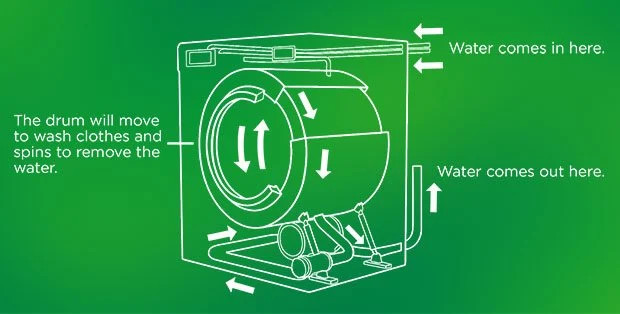
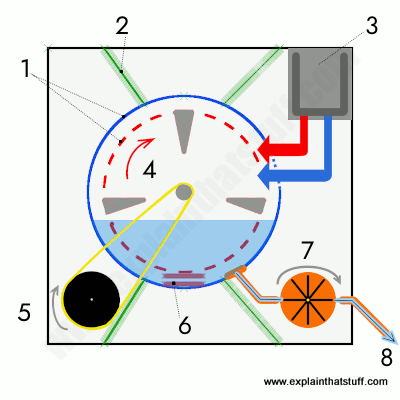
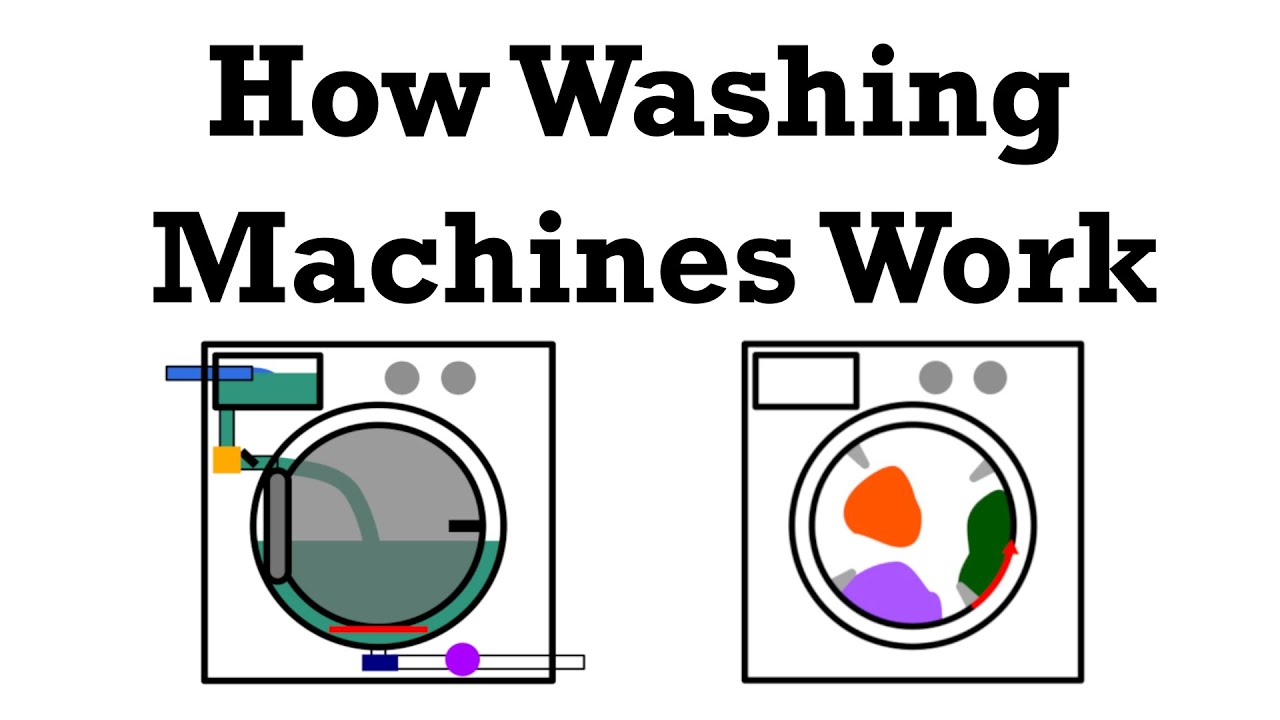
Think of your washing machine as a tiny water-filled spinning planet with a mission to unearth grime. It starts with water—yep, good old H2O floods in, soaking your clothes just right. Then, the agitator (or the drum in front loaders) kicks into gear, churning clothes with detergent. This mix scrubs away dirt like a bath sponge on steroids.
Not all washers are created equal though. Traditional top load washers have a central agitator, while newer front loaders tumble clothes gently in a rotating drum, saving water and fabric wear.
The whole wash cycle is divided into stages: wash, rinse, and spin. The rinse flushes out detergent, and the spin cycle whips water out through centrifugal force, leaving your clothes damp but not drenched.
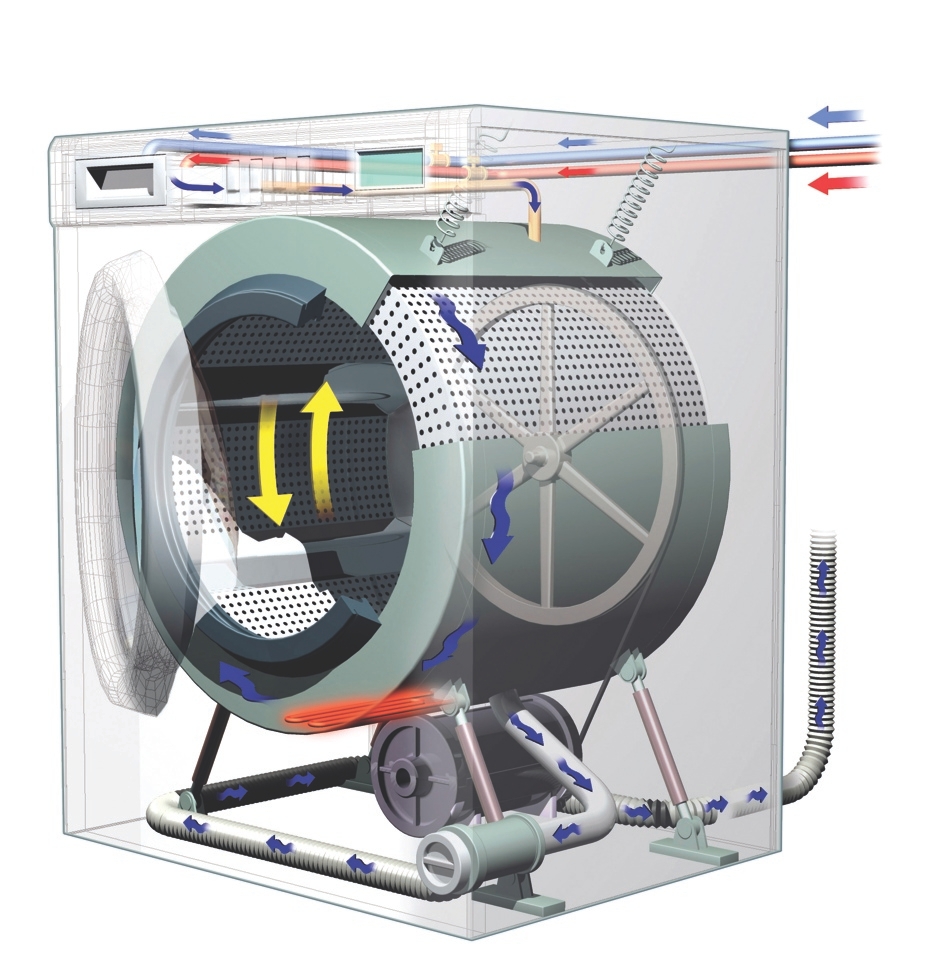
Source: www.howitworksdaily.com
Behind the scenes, sensors and timers orchestrate these steps with precision — like a conductor leading a messy orchestra. Whirlpool explains how these components keep everything in sync for spotless results.
Got the Dirt? Now How to Keep Your Washer Clean
Your washer is a hardworking beast but it needs care too, or else you’ll end up with funky smells and less effective cleaning. It’s like not showering for a week—gross, right?
Here’s a no-nonsense, no-mess plan for washing machine maintenance that actually works:
- Run a monthly cleaning cycle: Use a washing machine cleaner or a cup of white vinegar with baking soda on an empty hot wash. It blasts away residue and deodorizes.
- Clean the gasket after every few uses: Front load washers are sneaky odor traps. Wipe down the rubber seal with a mild detergent to dodge mold.
- Leave the door open: Air dries the drum and stops mildew from throwing a party inside your machine.
- Check and clean filters: Lint and debris can clog up drains—clear ’em out every few months.
- Use the right detergent: Too much soap spells disaster; it clogs that machinery and invites smells.
For more pointers, Tide dishes out solid advice on proper usage that makes a difference.
Spotlight on Front Load vs. Top Load Washer Care
Not all washers play dirty the same way. Front load washers need their gasket cleaned often, or they’ll start stinking like a locker room. Meanwhile, top load washers love a good rinse through their agitator but watch out—they can drown clothes in too much water and soap if you’re not careful.
Being mindful of your washer’s quirks will save you from many headaches. Check out Maytag’s insights for tailored tips that actually make a difference.
Source: www.ariel.in
Quick Fixes: Removing Odors From Your Washing Machine
Stinking washer? Yeah, that’s a thing. Here’s how to tackle it before it spreads to your clothes:
- Vinegar rinse: Pour two cups of white vinegar into the detergent drawer and run a hot cycle.
- Baking soda scrub: Sprinkle half a cup inside the drum and run it again.
- Clean the drawer and seal: Detergent buildup breeds funk, so scrub regularly.
- Maintain dryness: Always leave the door and detergent drawer open post-laundry.
The team at AENO Home Appliances highlights how a little upkeep keeps your washer fresh and laundry-ready.
Washing Machine Maintenance Checklist
| Task | Recommended Frequency | Purpose/Benefit |
|---|---|---|
| Run cleaning cycle with vinegar/baking soda | Monthly | Removes soap scum and odors, prevents buildup |
| Wipe rubber gasket (front loaders) | Every 1-2 weeks | Prevents mold and mildew |
| Leave door/drawer open after use | After every laundry load | Allows drying to prevent odor and mold |
| Clean lint filter and drain pump | Every 3 months | Prevents clogging and drainage issues |
| Use recommended amount of high-quality detergent | Every wash | Prevents residue buildup and machine damage |
Why Caring for Your Washer Is Non-Negotiable
Picture this: a laundromat owner who ignored cleaning his machines until every washer smelled like old gym socks. Customers fled. You don’t want your home appliance to head down that path. Maintenance isn’t just about keeping your washer happy; it keeps your clothes fresh, your energy bill down, and your wallet intact.
Remember, washing machines are complex beasts. They deal with water, electricity, and lots of moving parts. That means safety must come first—always unplug before cleaning, never overload, and check hoses for leaks periodically.
Still curious? For a mind-blowing peek at washing machines’ engineering triumphs and quirks, check out this fascinating video on the surprising engineering of washers.
So next time you toss in your dirty jeans, you’ll know exactly how your washing machine works its soapy magic—and how to make sure it sticks around for the long haul.
Source: www.explainthatstuff.com
Source: www.youtube.com

Lonnie Clarke believes that taking care of your washing machine starts with what you put into it. As a former textile quality controller, she understands exactly how different fabrics, water temperatures, and detergents interact with your appliance’s drum. She writes our comprehensive guides on preventing mold, choosing the right cycles, and extending the life of your clothes.