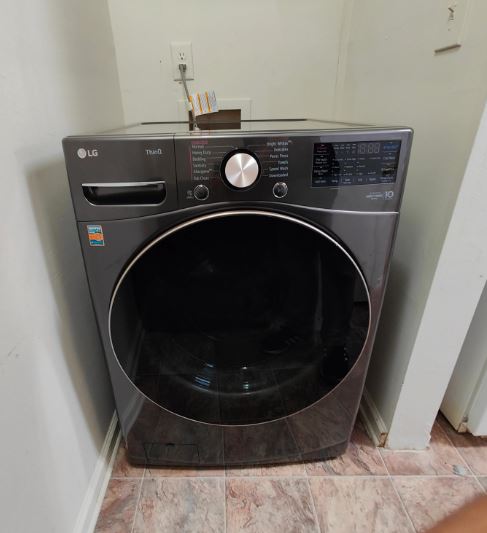
Ever tried moving a washing machine alone? It’s no joke. So, how much does a washing machine weigh? It’s a surprisingly tricky question because weight flips depending on size, type, and capacity. Don’t you hate it when something in your house is heavier than you expected? Let’s unpack this—machine by machine.
Weight Ranges: The Washing Machine Spectrum
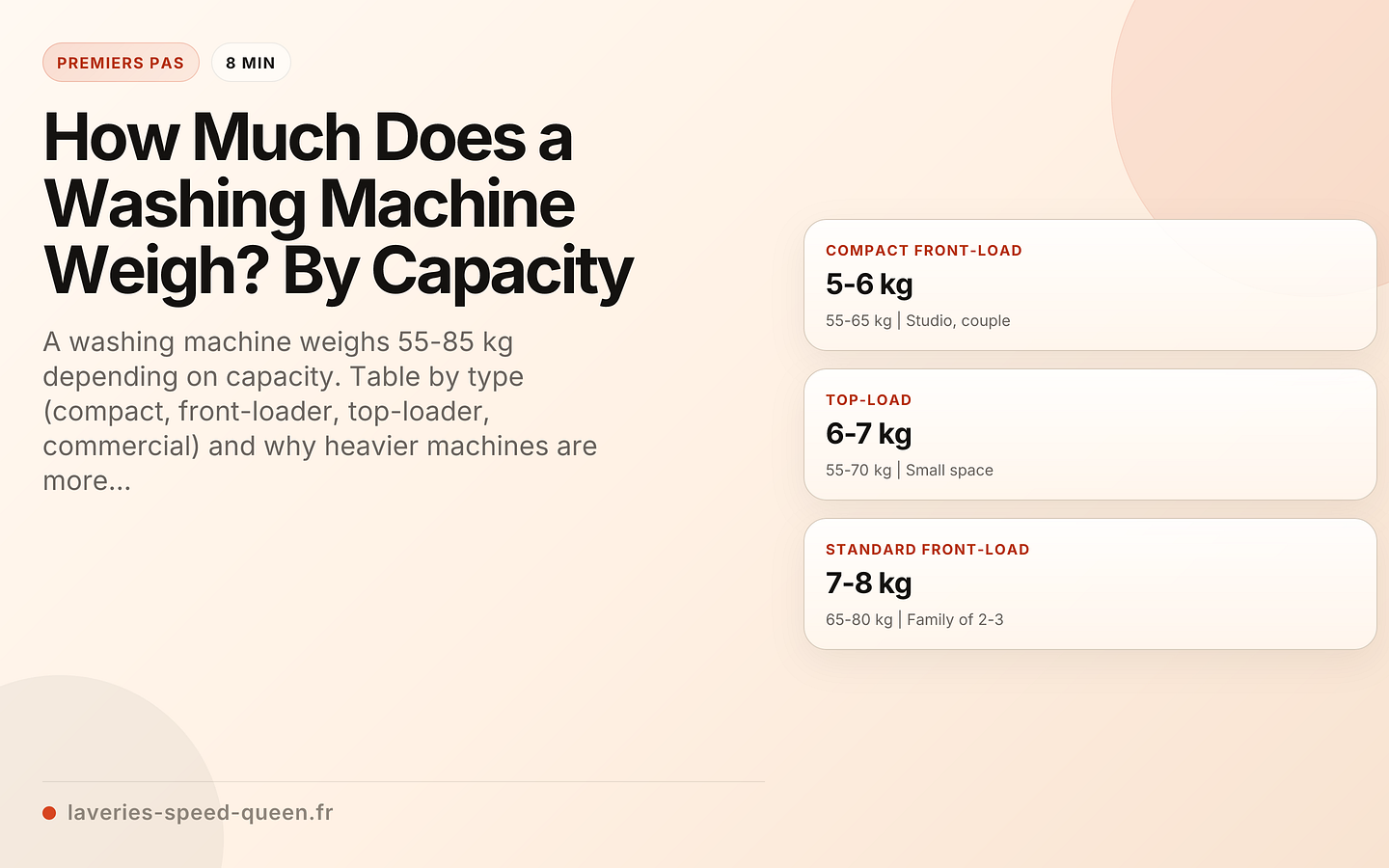
Think about the washing machine like a stubborn buffalo. A compact model is like a calf—easy enough to shift around. A big, heavy-duty front loader struts in like a full-grown bull, resistant and hefty. Most standard washers weigh anywhere from 120 to 160 pounds. But there’s no one-size-fits-all. For example:
- Top Load Washers: Typically fall between 120-140 pounds. Their simpler drum setups keep the weight somewhat lighter.
- Front Load Washers: Load a bit more heft, tipping scales around 140-170 pounds, mostly due to added electronics and sturdier construction.
- Compact Washers: Petite but powerful, these little guys weigh about 80-100 pounds. Perfect for tight apartments but ask a buddy for help anyway.
This weight includes the machine itself—empty, mind you, without a speck of laundry inside. Now, with water, detergent, and clothes onboard? You’re adding quite a load. That’s when things get tricky.
Why Weight Matters: Moving, Installing, and Safety
Say you’ve got your brand new washer delivered, and you’re trying to shuffle it through narrow doorways. The weight can turn from a dull number on paper into a real-life wrestling match. Getting a grip is essential.
Also, the weight influences how your floor holds up. Calculating washer weight helps you avoid cracked floors or worse, a washing machine mid-cycle tumble. Most washing machines have adjustable feet to keep them stable, but this only works if you acknowledge their heft right out of the gate.
If you want a neat trick to estimate a washer tub capacity related to weight (which is handy when doing DIY installations or troubleshooting), check out this formula for calculating washer tub capacity. It connects the dots between space and load, giving you a better idea of your washer’s physical demands.
Source: laveries-speed-queen.fr
How Much Laundry Can Your Washer Actually Handle?
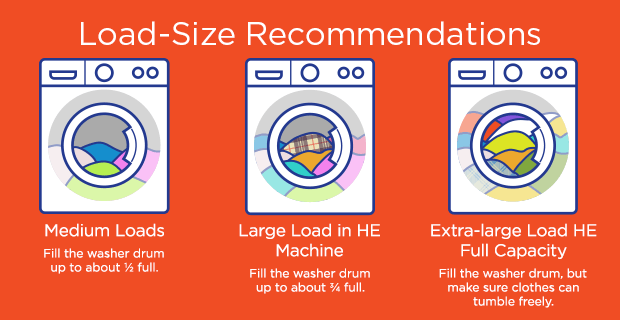
It’s not just about the machine’s weight but what it carries inside. A washing machine overloaded with clothes? Expect more strain and quicker wear. But underloading isn’t great either; it’s like running a marathon with ankle weights—the machine expends energy for little gain.
To get the max from your washer without feeling like you’re lifting a boulder, consider this quick guide from Down East Appliance’s guide on washer capacities. It talks all about how much laundry is too much and how to keep your washer humming along without the struggle.
Washing Machine Maintenance: Keep It Light—and Right
Weight gets more than physical. Think about your machine’s chemical weight—the soap scum, residue, and stinky buildup lurking inside the drum. Over time, this junk piles on. You end up with less cleaning muscle and more funky odors. Nobody wants a washing machine that smells like a gym sock.
Here’s a Washing Machine Maintenance Checklist to keep your beast running lean and mean:
| Task | Recommended Frequency | Purpose/Benefit |
|---|---|---|
| Cleaning the Washer Drum | Monthly | Removes residue to prevent odors and keep load weight balanced |
| Checking and Cleaning Filters | Every 3 months | Prevents clogging which can affect performance and weight distribution |
| Inspecting Hoses and Connections | Biannually | Prevents leaks and water damage, reduces extra weight from water pooling |
| Balancing the Washer | As needed, especially after moving | Ensures load is evenly distributed, protects from vibration damage |
Front Load vs Top Load Washer: Which Carries More Weight?
Front loaders usually weigh more than top loaders. Their design demands a heavy glass door and a front seal gasket that trap water firmly inside. This adds to build quality – sturdier materials make the machine heavier but more durable over time. For trustworthy insights on washer sizes and their impact on usage, check out this Specialty Appliance guide on understanding washer sizes.
Yet, front loaders tend to handle larger loads more efficiently, spreading weight more evenly around the drum, minimizing wear. So, if you think about weight not just as raw pounds but in how evenly it distributes while cleansing, front loaders win. They’re the marathon runners, not the sprinters.
Pro Tips: Moving Your Washing Machine Without Breaking a Sweat
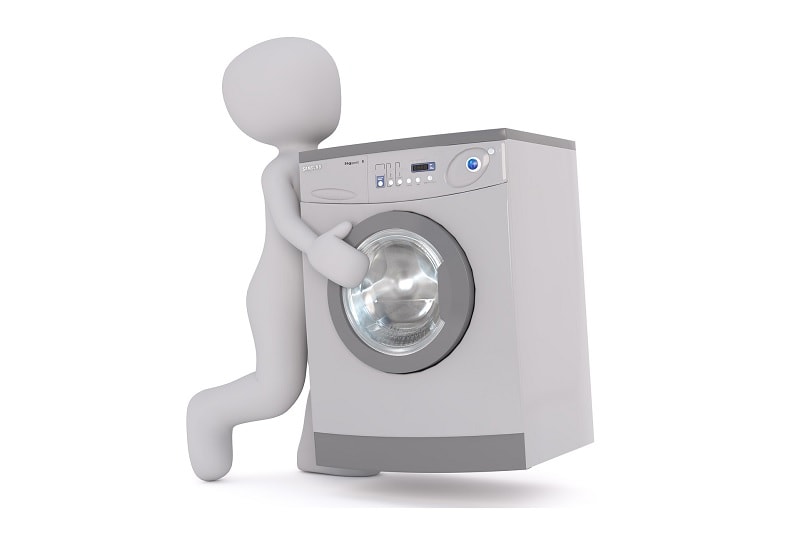
Don’t just grunt and hope for the best when it comes to your washing machine’s weight. Here’s how to deal with it smartly:
- Empty It Completely: No one wants to lug water-soaked clothes and suds along.
- Use a Dolly or Hand Truck: These lifesavers brace the weight, sparing your back.
- Ask for Backup: Washing machines aren’t solo lift champs. Recruit a friend or neighbor.
- Secure Loose Parts: Lock the drum or pack braces inside to prevent damage during transit.
- Mind the Surface: Slips make weight feel like ten times worse.
The last thing you want is scratched floors or a bruised ego after moving day. Trust me—wiser to prep than regret.

Source: prudentreviews.com
One Last Thing About Washing Machine Weight
People don’t always pause to think—weight isn’t just a burden; it’s a reflection of quality and capacity. The heftier the machine, often the tougher it is. But that toughness buys longevity.
Source: tide.ca
Balance is everything. Overly heavy machines can be a pain to move, but flimsy ones break faster. Keep your machine cared for with regular washer cleaning tips and maintenance rituals, and it’ll carry its load for years without complaint.
So next time someone asks, “how much does a washing machine weigh?”, you’ll casually drop the facts and maybe toss in a tip or two about maintenance or moving. And yes, the weight? It’s between 80 and 170 pounds, give or take—but its real weight is in how well you take care of it.
Source: inthewash.co.uk
Keep your washer light on problems, heavy on performance.

Source: useactive.com

Lonnie Clarke believes that taking care of your washing machine starts with what you put into it. As a former textile quality controller, she understands exactly how different fabrics, water temperatures, and detergents interact with your appliance’s drum. She writes our comprehensive guides on preventing mold, choosing the right cycles, and extending the life of your clothes.