Are You Gross? Your Dishwasher Probably Is Too. How To Clean Dishwashing Machine Like a Pro.
Look, nobody wants to admit it. But that gleaming machine meant to make your life easier? It’s a cesspool. A greasy, grimy, germ-infested funk-fest. Honestly, the gunk build-up is obscene. We’re talking food particles that’ve calcified. Mold. Mildew. The kind of stuff that makes you gag. You’re washing your dishes in a biohazard zone. And you don’t even know it. The thing is, most people never clean their dishwashers. Never. They just shove plates in, slam the door, and hope for the best. That’s not cleaning. That’s denial.
My first dishwasher. Bought it used in 2009. Cost me $150. Looked pristine. For about three weeks. Then the smell started. A faint, musty odor. I ignored it. Figured it was the sink. Then one day, I opened it mid-cycle. Saw this… slime. On the bottom. Like a snail convention had happened. Disgusting. I scrubbed it with a toothbrush. Didn’t help. Tossed it a month later. Bought new. Lesson learned: Maintenance ain’t optional. Especially for appliances that handle your food. We gotta get serious about how to clean dishwashing machine units. Because yours is likely filthier than your toilet bowl. No joke.
Why Bother? Because You’re Not a Savage.
Why clean your dishwasher? Simple. Because you’re not a slob. You want clean dishes, right? Not dishes coated in yesterday’s leftover spaghetti sauce. Or worse. A dirty dishwasher means: smelly dishes. Inefficient cleaning. Potential for mold growth. And frankly, it’s just gross. Think about it. Every time you run it, you’re circulating that grime. That nastiness. Back onto your plates. Your cutlery. Your glasses. It’s counterproductive. And a health hazard. To be fair, some people just don’t think about it. It’s a box. It cleans. Done. WRONG. We’re going to fix that. Right now.
The Grimy Truth: What’s Lurking Inside?
Let’s break down the horror show. Your dishwasher is a breeding ground for all sorts of nasty. Food debris, obviously. Fats and grease from your meals. Soap scum, building up over time. Mineral deposits from hard water – those white streaks aren’t just unsightly, they’re a sign of buildup. Then there’s the mold and mildew. Especially in the nooks and craies. Around the door seals. In the filter. The spray arms can get clogged. It’s a party in there. A party you don’t want to attend.
I remember helping my aunt clean her kitchen a few years back. She had this 15-year-old dishwasher. Never. Ever. Cleaned. It. The smell when she opened the door… potent. Like a forgotten gym sock marinated in sour milk. We pulled out the filter. It looked like a science experiment gone wrong. A thick, slimy mat of who-knows-what. We used bleach. Lots of it. And a wire brush. It helped. But it was a battle. A long, ugly battle against neglect. Don’t let that be you. Get ahead of it.
Step 1: The Pre-Game Show – Empty and Inspect.
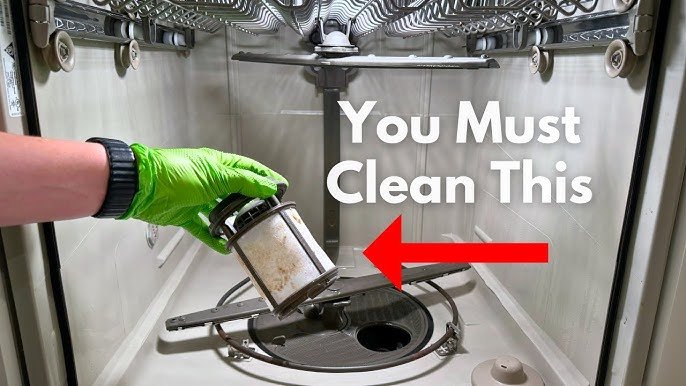
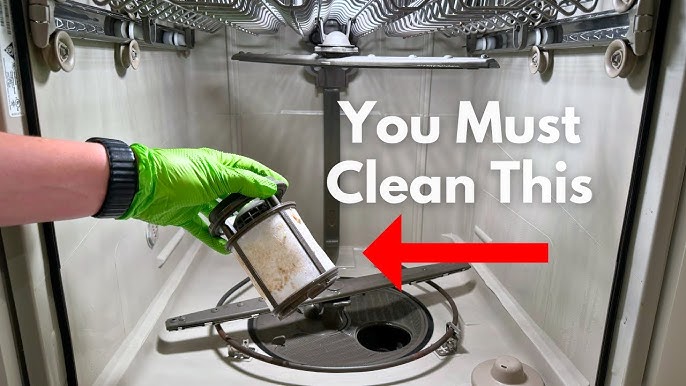
First things first. Rip everything out. All the racks. Utensil baskets. Everything loose. We need a clear view of the crime scene. Look at the bottom. See those bits of food? That’s just the appetizer. Check the filter. It’s usually a cylindrical thing, maybe with a flat screen attached, at the very bottom. Some twist out. Some lift out. Consult your manual if you’re clueless. Just don’t break it. We’ll deal with that later. But get it out. Get a good look.
Step 2: Filter Duty – Where the Real Dirt Hides.
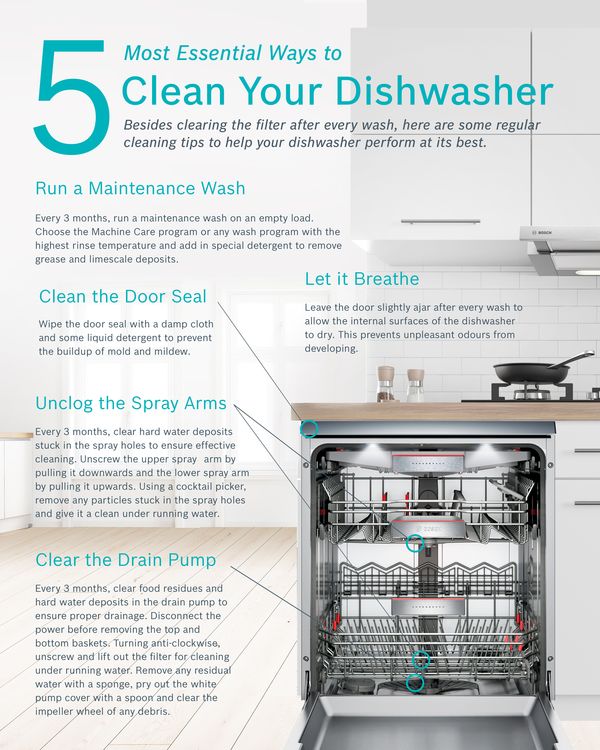
This filter. This is your nemesis. And your best friend. It’s designed to catch the big chunks. So, guess what? It catches them. And then lets them fester. Most filters are two parts: a coarse mesh and a fine mesh. Rinse both under hot ruing water. Use an old toothbrush. Scrub away the gunk. Seriously, get aggressive. If it’s really bad, a soak in hot, soapy water for 30 minutes might be needed. Or even a diluted bleach solution. Rinse thoroughly. Make sure it’s spotless before putting it back. This is non-negotiable. A clogged filter means a clogged machine. And smelly dishes. Always.
Step 3: Spray Arm Assault – Blast Away Blockages.
Those little arms that spin around? They have nozzles. Tiny little holes. Guess what happens? Food bits. Mineral deposits. They clog these holes. What does that mean? Uneven cleaning. Some parts of your dishes get blasted. Others get nada. You gotta clear those nozzles. Take the spray arms off if you can. Usually, they just unscrew or clip off. Use a toothpick. A paperclip. A small needle. Poke. Prod. Get every single hole clear. Rinse them out. Look for damage. Cracks. Warping. If they’re shot, you’re buying new ones. It’s not that expensive. Better than living with dirty plates.
Step 4: Gasket Grime – The Hidden Crevices.
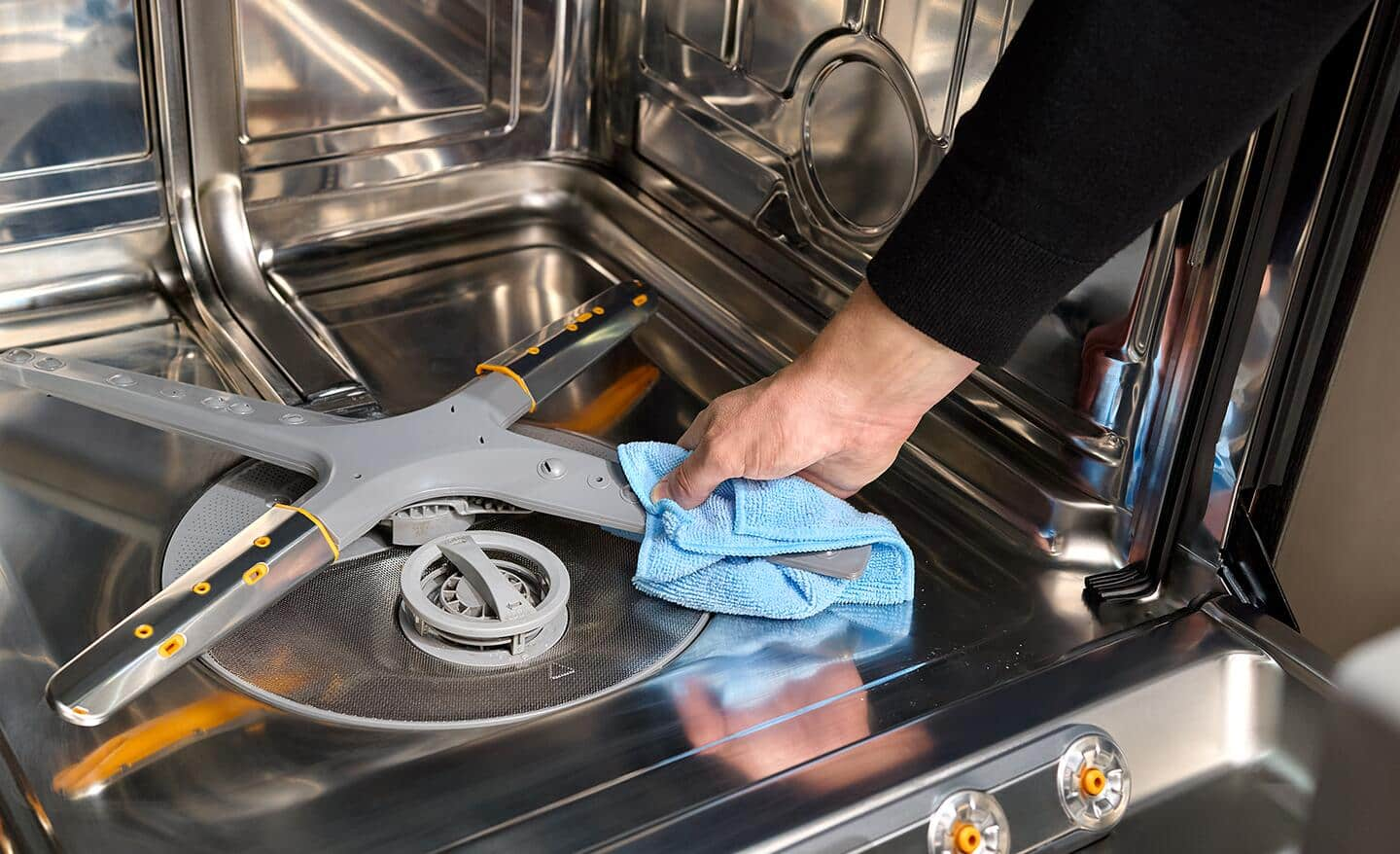
The rubber seals around the door. They look iocent. They’re not. They trap moisture. They trap food particles. They trap mold. Wipe them down. Use a damp cloth. If you see black spots, that’s mold. Use a diluted bleach solution or a vinegar solution. Get into all the folds. Every nook. Every cray. Don’t forget the area where the door latches. That gets gunky too. A clean gasket means a cleaner seal. And less stink. It’s simple cause and effect. And it’s important.
Step 5: The Interior Scrub-Down – Elbow Grease Required.
Now for the main event. The inside of the tub. You need something abrasive but safe. Baking soda is your friend here. Sprinkle a generous amount – maybe half a cup – all over the bottom of the dishwasher. Let it sit for a few minutes. Then, get a damp sponge or cloth. Scrub the interior. The bottom. The sides. Under the heating element if you can reach it. Pay attention to any stains. The baking soda will help lift them. For tougher spots, a paste of baking soda and water works wonders. Don’t use steel wool. You’ll scratch the enamel. We’re cleaning, not vandalizing.
I remember seeing a ‘professional’ cleaner online recommend oven cleaner. For a dishwasher. INSANE. That stuff is corrosive. It’ll eat through your machine’s finish. And potentially leave toxic residue. Stick to safe methods. Baking soda. Vinegar. Mild dish soap. Trust me. You don’t want to be the person who ruined their appliance with some hack job suggestion. Stick to the tried and true. It works. It’s safe. And it’s cheap.
Step 6: The Vinegar Flush – Killing the Germs.
This is where the deep clean really happens. Pour one cup of white vinegar into a dishwasher-safe bowl or measuring cup. Place it upright on the top rack of your empty dishwasher. Run a full, hot wash cycle. The vinegar is acidic. It cuts through grease. It dissolves mineral deposits. It kills bacteria and mold. It’s a miracle worker. And it smells better than bleach. Usually. Let the cycle complete. Don’t open the door mid-cycle. Let it do its thing.
Step 7: The Baking Soda Freshen-Up – Eliminating Lingering Odors.
After the vinegar cycle is done, sprinkle about a cup of baking soda on the bottom of the dishwasher. Run a short, hot water cycle. This second cycle helps rinse away any remaining vinegar residue. And the baking soda neutralizes any lingering odors. It leaves your machine smelling fresh. Clean. Not like a chemical plant. This combo – vinegar and baking soda – is classic for a reason. It works. It’s safe. And you probably already have both in your kitchen.
Step 8: The Exterior Wipe-Down – Don’t Forget the Outside.
Your dishwasher isn’t just the inside. The control panel. The handle. The front. They get touched constantly. Fingerprints. Smudges. Food splatters. Wipe it all down. Use a damp microfiber cloth. For stainless steel, use a cleaner specifically for stainless steel. Or a little bit of vinegar on a cloth. For control panels, be gentle. Don’t spray liquid directly onto the controls. Spray it onto your cloth first. You don’t want to short anything out. A clean exterior makes the whole kitchen look better. It’s the finishing touch. Don’t skip it.
Step 9: Maintenance is Key – How Often Should You Do This?
How often should you clean your dishwasher? It depends. On how often you use it. On how hard your water is. On how good you are at scraping plates. As a general rule: Aim for a deep clean like this once a month. Or at least every other month. Seriously. Once a month is ideal. If you notice smells. Or your dishes aren’t coming out clean. You’re overdue. Do it now. For a quick refresh between deep cleans, you can just run a hot cycle with a cup of vinegar on the top rack. Easy. Quick. Effective.
I use a dishwasher cleaner tablet maybe once every three months. Like those Affresh things. They’re decent. But they’re not a replacement for a good old-fashioned scrub down. They help. But they don’t get into all the nooks and craies. They don’t scrub the filter. They don’t clear the spray arms. Think of them as a supplement. Not the main course. The manual scrub is the main course. Always. Consider this: if you’re doing laundry, you clean the lint trap every time. You don’t just hope for the best. Same principle here. Be proactive. Preventative maintenance saves you headaches. And money. Broken appliances ain’t cheap.
Troubleshooting Common Dishwasher Problems
Sometimes, cleaning alone isn’t enough. You might have specific issues. Let’s tackle a few:
Lingering Odors
You did the vinegar. You did the baking soda. Still smells? Check the filter again. Make sure it’s spotless. Run a cycle with a specialized dishwasher cleaner tablet – some are really good at deodorizing. Ensure your dishwasher is draining properly. Standing water is a stink magnet. Sometimes, the drain hose itself can get gunked up. That’s a whole other beast, usually requires pulling the machine out.
Poor Cleaning Performance
Dishes still coming out dirty? Check those spray arms again. Are they spiing freely? Are all the holes clear? Are you overloading the machine? Packing it too tight prevents water and soap from reaching all surfaces. Make sure your water temperature is hot enough – ideally 120°F (49°C). Old or clogged spray arms need replacement. Sometimes, the detergent dispenser isn’t opening fully. Inspect it.
White Film or Spots on Glasses
This is usually hard water buildup. Your dishwasher needs a rinse aid. Always keep the rinse aid dispenser full. For tougher buildup, run a cycle with a dishwasher cleaner specifically designed to tackle mineral deposits. Or try that vinegar cycle again, maybe using 2 cups of vinegar instead of 1. Check your water softener if you have one. It might need refilling or adjustment.
Dishwasher Cleaning Cheat Sheet: The Quick Guide
Here’s a quick reference. Keep this handy:
| Task | Frequency | Key Ingredients/Tools |
|---|---|---|
| Empty Racks & Inspect | Monthly | Your Eyes |
| Clean Filter | Monthly (or sooner if needed) | Toothbrush, Hot Water, Soap |
| Clear Spray Arms | Monthly | Toothpick, Paperclip |
| Wipe Door Gaskets | Monthly | Damp Cloth, Vinegar/Diluted Bleach |
| Interior Scrub (Baking Soda) | Monthly | Baking Soda, Sponge/Cloth |
| Vinegar Wash Cycle | Monthly | White Vinegar, Bowl |
| Baking Soda Rinse Cycle | Monthly | Baking Soda |
| Exterior Wipe-Down | Weekly/As Needed | Microfiber Cloth, Cleaner |
Look, it’s not rocket science. It’s basic hygiene for an appliance. One that’s crucial for a functional kitchen. Neglect it, and you’re inviting problems. Smelly problems. Dirty dish problems. Expensive repair problems. You paid good money for that dishwasher. Treat it right. Clean it. Maintain it. Your dishes—and your nose—will thank you. Honestly, just doing this once a month will make a massive difference. You’ll see. You’ll smell it. Stop being lazy. Get cleaning.
Frequently Asked Questions
Is bleach or vinegar better to clean the dishwasher?
Vinegar is generally better and safer for routine cleaning. It’s acidic and breaks down grease and mineral deposits effectively without being overly harsh. Bleach can be used for very stubborn mold or mildew issues, but it’s more corrosive, can damage certain dishwasher parts over time, and should never be mixed with vinegar (creates toxic fumes!). Use vinegar for the regular clean, and consider bleach only as a last resort for specific, localized mold problems, used cautiously and rinsed thoroughly.
How often should I really clean my dishwasher?
For most households, a deep clean involving the filter, spray arms, and a vinegar/baking soda cycle once a month is ideal. If you use your dishwasher heavily or have very hard water, you might need to do it every two to three weeks. If you rarely use it, once every two months might suffice, but check for odors or buildup regularly.
Can I use a dishwasher cleaner tablet instead of manual cleaning?
Dishwasher cleaner tablets are great for maintenance between deep cleans. They help break down residue and freshen the machine. However, they caot replace a thorough manual cleaning. They won’t scrub the filter, clear clogged spray arm nozzles, or get into all the tight corners like manual cleaning does. Think of them as a supplement, not a substitute.
What if my dishwasher still smells after cleaning?
If odors persist after a thorough cleaning, double-check that the filter is completely clean and that there’s no standing water in the bottom of the tub, which indicates a drainage issue. Also, check the dishwasher drain hose for clogs, or even the garbage disposal coection if your dishwasher drains into it. Sometimes, a persistent smell indicates a more serious issue with the drain system or internal components.
My glasses have a white, cloudy film. What’s wrong?
This is almost always due to hard water deposits or insufficient rinse aid. Make sure your rinse aid dispenser is full and set to the correct level. Run a hot cycle with a cup of white vinegar on the top rack to help dissolve existing buildup. If the problem is severe and frequent, you might need to consider a water softener for your home or use a specialized dishwasher cleaner designed for hard water.
Watch: The Ultimate Guide to Deep Cleaning Your Dishwasher

With over 15 years of hands-on experience in the appliance repair industry, Erick Jackson is WashingMachineCare’s resident gearhead. He holds multiple manufacturer certifications and specializes in breaking down complex mechanical failures into easy, step-by-step DIY fixes. When he’s not covered in grease, Erick Jackson enjoys restoring vintage washing machines to their former glory.