Sick of Stink? How To Clean And Deodorize Washing Machine Like a Pro.
Look. Your washing machine. It’s supposed to make clothes smell like springtime. Not like a gym locker after a marathon. If yours is radiating funk, you’re not alone. Honestly, most people just ignore it. Bad move. A dirty washer breeds mildew, bacteria, and smells that cling to your fresh laundry. It’s a disaster waiting to happen. We’re talking about how to actually clean and deodorize your washing machine. Forget the fluff. This is the real deal. It’s not rocket science, but it ain’t scrubbing toilets either. The thing is, neglecting this chore costs you. Your clothes get dirtier, not cleaner. And that smell? It gets worse. Trust me. I remember my neighbor, bless her heart, bragging about her ‘clean’ machine. Smelled like despair. Turns out she hadn’t deep cleaned it since 2018. Yikes.
Why Bother Cleaning That Thing?
Simple. It’s your appliance’s hygiene. A clean machine means cleaner clothes. No more lingering odors. No more mystery gunk. And your machine lasts longer. That’s the practical side. But honestly, who wants a stinky appliance? Nobody. It’s gross. It defeats the entire purpose of washing clothes. The thing is, the environment inside a washing machine is perfect for microbial growth. Warm, damp, full of soap scum and lint. It’s a spa day for mold.
Watch: How To Clean Your Front Load Washing Machine
Front-Loader Funk vs. Top-Loader Terror
The enemy looks different depending on your machine type. Front-loaders are notorious for mold around the door gasket. That rubber seal? It traps water. Perfect breeding ground. Top-loaders can get buildup in the agitator and drum. Less dramatic, maybe, but just as smelly. Doesn’t matter which you got. The principles are the same. Attack the gunk. Kill the stink.
The Arsenal: What You Need
Don’t overcomplicate this. You probably have most of this already. Go grab:

- White Vinegar (The holy grail of cheap cleaning)
- Baking Soda (The other holy grail)
- Bleach (Use with CAUTION. Seriously.)
- An Old Toothbrush or Small Scrub Brush
- Microfiber Cloths (Or any rags that won’t shred)
- Optional: Washing Machine Cleaning Tablets (If you’re lazy)
Front-Loader Deep Dive: Gasket Guardianship
This is where the war starts for front-loaders. That rubber gasket? It’s a mold magnet. Grab your vinegar or bleach solution. A 1:1 ratio with water is a good starting point. For bleach, maybe 1/4 cup bleach to 1 cup water. NEVER MIX VINEGAR AND BLEACH. You’ll gas yourself. Get your rag wet. Wipe down that entire gasket. Pull it back. Get into the folds. It’s probably disgusting. I bet you’ll find black gunk. Scrub it out. Wipe it all down. Then leave the door ajar. Always. After every wash. For the love of God, leave the door ajar.

Top-Loader Takedown: Drum Duty
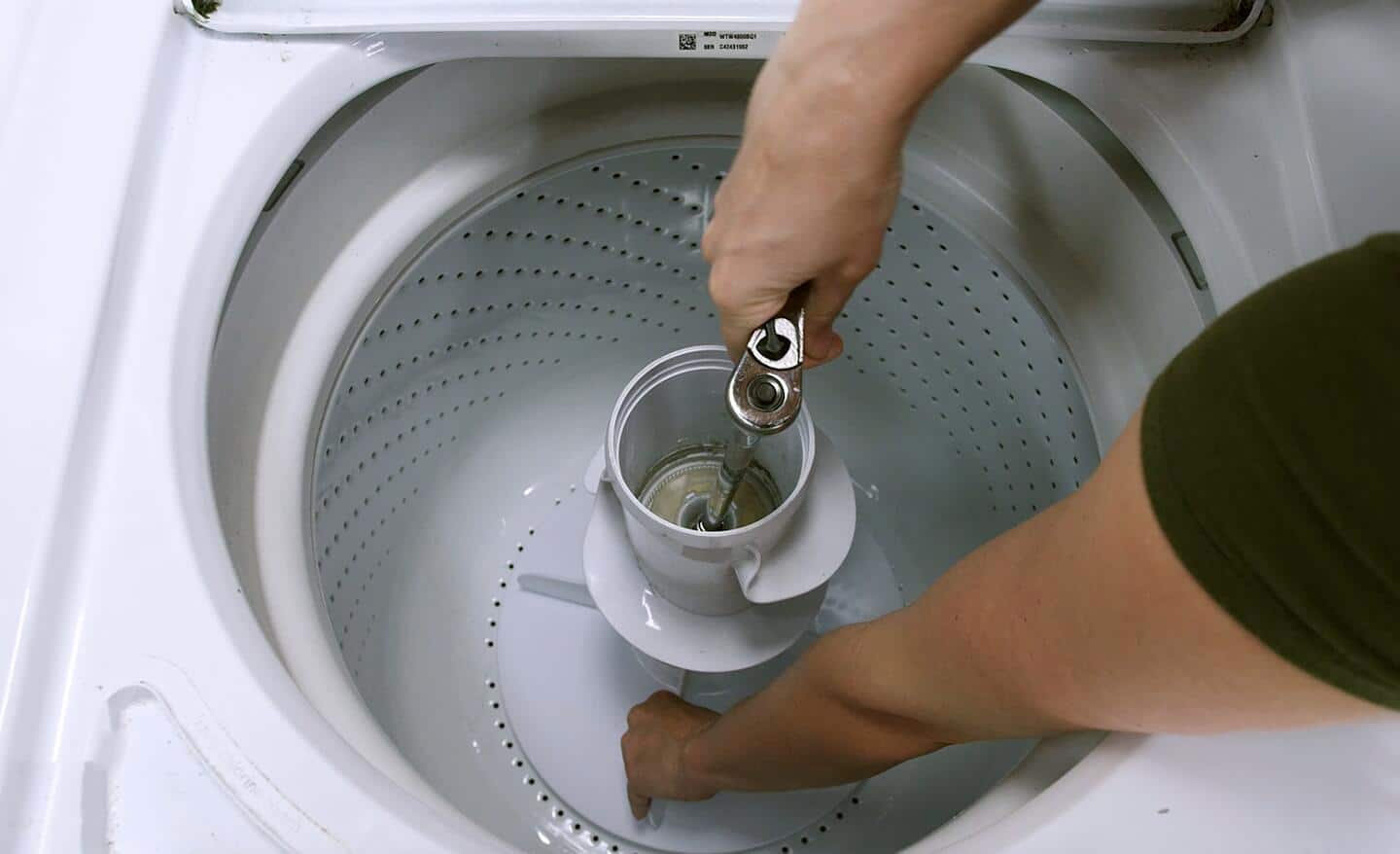
Top-loaders are a bit simpler. No creepy rubber seals to contend with. But the drum gets gross. The agitator can hide gunk. First, run an empty hot water cycle. Add 2 cups of white vinegar to the drum. Let it agitate for a bit. Then pause it. Let it sit for an hour. This loosens everything up. Then let it finish the cycle. After that, run another hot cycle. This time, add 1/2 cup of baking soda. Let it run. This neutralizes odors and scrubs away residue. Wipe down the lid and the exterior. Easy.
Watch: HOW TO CLEAN YOUR WASHING MACHINE! (Quick & Easy!)
The Universal Attack Plan: Cycles and Scrubbing
Regardless of machine type, you gotta hit it hard. The easiest way? Use the ‘clean washer’ cycle if you have one. If not, a ‘heavy duty’ or ‘sanitize’ cycle on the hottest setting works. Load up your machine with the cleaning agents.

Vinegar Power Play
Add 2 cups of white vinegar directly into the detergent dispenser or the drum. Run the hottest, longest cycle you have. Empty machine, remember. This busts up soap scum and kills bacteria. It’s cheap. It’s effective. Don’t overthink it.
Baking Soda Blast
After the vinegar cycle, sprinkle 1/2 cup of baking soda into the drum. Run another hot cycle. This helps scrub away residue and neutralizes any lingering odors. Honestly, the combo is magic. You’ll smell the difference.
Bleach Blitz (Use Sparingly!)
If you’re dealing with serious mold or mildew, bleach is your friend. But be careful. Too much can damage seals. And NEVER mix with vinegar. Use 1/4 cup of bleach in the dispenser. Run a hot cycle. This kills germs and whitens things up. But again, caution. It’s aggressive.
Table Time: Cleaning Schedule Breakdown
Consistency is key. Don’t wait until it reeks. Here’s a suggested schedule. Based on usage. Most folks should aim for this.
| Frequency | Action | Notes |
|---|---|---|
| Monthly | Full Vinegar & Baking Soda Cycle | Deep clean. Essential. |
| Bi-Monthly | Wipe Down Gasket/Lid & Dispenser | Prevents visible grime. |
| Quarterly (or as needed) | Bleach Cycle (Front-Loader) | For stubborn mold/mildew. |
| Weekly | Leave Door Ajar | CRITICAL for front-loaders. |
Don’t Forget the Little Guys: Dispensers & Filters
The detergent drawer. It gets sludgy. Pull it out if you can. Soak it in hot water. Scrub it with your toothbrush. Rinse and replace. Some machines have a filter, usually at the bottom. Check your manual. Clean that out too. Lint traps need regular emptying. It’s small stuff, but it matters. This is where gunk hides.
Watch: How To Clean Your Top Load Washing Machine
Preventative Maintenance: Keep the Stink Away
The best defense is a good offense. How to keep it clean after you clean it?
- Leave the door open: Seriously. Always. Especially front-loaders. Airflow is your friend.
- Wipe down the gasket: Quick wipe after each use. Prevents mold.
- Use the right amount of detergent: Too much soap leaves residue. Follow instructions. High-efficiency (HE) machines need HE detergent.
- Remove wet clothes promptly: Don’t let damp laundry sit. It breeds odors.
- Run hot cycles occasionally: Even one hot wash a week helps.
Frequently Asked Questions
Will baking soda clean my washing machine?
Yes. Baking soda is a mild abrasive and a great deodorizer. Used in conjunction with vinegar or on its own, it helps scrub away residue and neutralize odors. It’s not as powerful as bleach for killing mold, but it’s a solid part of a cleaning routine.
How to sanitize a washer machine?
The most effective way to sanitize is using a hot water cycle with bleach or a dedicated washing machine sanitizer. For bleach, use about 1/4 cup in the dispenser and run a full hot cycle. Ensure the machine is empty. Always ventilate the area and never mix bleach with vinegar.
Can I use dish soap to clean my washing machine?
No. Dish soap creates too many suds and can damage your washing machine’s pump and internal components over time. Stick to vinegar, baking soda, or bleach for cleaning cycles.
How often should I clean my washing machine?
For most households, a deep clean using vinegar and baking soda should be done monthly. Wipe down the gasket and dispenser bi-monthly. If you notice odors or see visible grime, clean it immediately. Heavy users might need to clean more frequently.
What are those black spots in my washing machine?
Those black spots are almost always mold or mildew. They thrive in damp, dark environments like the rubber gasket on front-loaders or damp drums. Regular cleaning, especially wiping down the gasket and leaving the door ajar, is crucial to prevent them.

Tyrone Jacobs is passionate about reducing household carbon footprints without sacrificing cleanliness. Her articles focus on high-efficiency (HE) machines, low-water washing techniques, and DIY natural machine-cleaning solutions. If you want to lower your utility bills and keep harsh chemicals out of your drain hoses, Tyrone Jacobs is your go-to expert.