
Understanding Drum Washing Machines
A drum washing machine is a type of washing machine that uses a rotating drum to clean clothes. This drum rotates horizontally, lifting and dropping clothes into the water to wash them. These machines are also called front load washers because the door is located on the front.
Unlike top load washers, drum washers do not have a central agitator. Instead, the drum washing mechanism uses drum perforations to allow water in and out. This design helps to be gentle on fabrics while cleaning well. For a deeper understanding of this mechanic, analyzing resources on drum in a washing machine provides excellent foundational context.
Drum washing machines vary in size and capacity. The drum size affects how much laundry you can clean at once. Larger drums can handle bulky items like blankets or comforters. They also often have faster spin speeds. This help reduce drying time.
Key Components of Drum Washing Machines
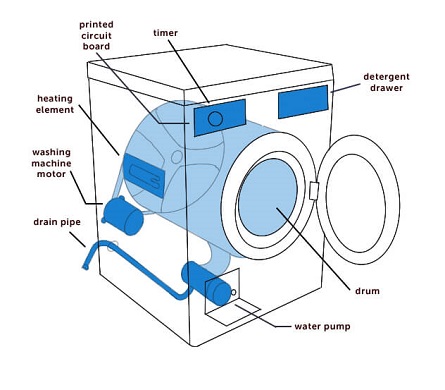
The main parts of a drum washing machine include the rotating drum, motor and transmission, water inlet valve, detergent dispenser. And control system. The rotating drum is where you place your clothes. It has small holes called drum perforations that let water flow in and out during washing.
The motor and transmission system control the drum’s spin speed and direction. Modern machines use inverter technology to improve efficiency and reduce noise. The water inlet valve controls the water flow into the drum. Detergent dispensers release detergent and softeners at the right time in the wash cycle. Temperature control and sensor systems help adjust water levels and wash settings based on the load.
Advanced drum washers come with smart washing machine features like digital displays, child lock functions. And automatic dosing systems that measure detergent for each load. These features make laundry easier and more efficient.
Advantages of Drum Washing Machines
Drum washing machines offer several benefits over other types. They use less water and energy, making them energy efficient washers. This helps reduce your utility bills and environmental impact. Their drum washing advantages include gentle fabric care, higher spin speeds. And better cleaning performance.
Because the drum rotates horizontally, clothes are lifted and dropped gently. This reduces wear and tear on fabrics. The spin cycle in these machines is faster. This extracts more water and reduces drying time. Many drum washers also have eco-friendly laundry solutions like dynamic water levels and sensor systems that adjust water use based on the load size.
Additionally, these machines tend to be quieter due to improved motor design and anti-vibration technology. This makes them ideal for use in apartments or homes where noise is a concern.
Top Load vs Drum Washing Machines Comparison
Choosing between top load and drum washers depends on your needs. Drum washing machines usually cost more but save water and power. Top load washers are often cheaper and faster for small loads. Here is a simple comparison of key features:
| Feature | Drum Washing Machine | Top Load Washer |
|---|---|---|
| Drum Position | Horizontal (front load) | Vertical (top load) |
| Water Use | Lower (energy efficient) | Higher |
| Spin Speed | Faster (better water extraction) | Slower |
| Fabric Care | Gentle on clothes | Can be rough due to agitator |
| Noise Level | Quieter with anti-vibration tech | Louder |
| Price | Higher | Lower |
Drum washers often have larger drum sizes and more advanced features. They are better for delicate fabrics and large loads. For more details on washing machine types and features, the guide on soil meaning in washing machines covers important wash cycle settings you should know.

Washing Machine Cleaning and Maintenance Tips
Keeping a drum washing machine clean is key to good performance and long life. Regular washing machine maintenance includes cleaning the drum, detergent dispenser. And door seal. Cleaning helps prevent mold and odors.
Use the drum clean program available on many models. This cycle uses hot water and detergent to clean inside the drum and remove residue. You can also wipe the rubber door seal and detergent drawer regularly. Avoid overusing detergent to reduce buildup. Using an automatic dosing system can help with this.
For those who want to know more about keeping their drum washer fresh, the video on drum clean program explains effective cleaning steps well.
| Maintenance Task | Frequency | How To |
|---|---|---|
| Run drum clean program | Monthly | Use hot water and detergent |
| Clean detergent dispenser | Monthly | Remove and rinse with warm water |
| Wipe door seal | Weekly | Use damp cloth to remove dirt and mold |
| Check water inlet valve | Yearly | Inspect and clean filter screen |
Following these simple steps keeps your machine running quietly and cleanly. This also reduces water consumption and detergent waste.
Leading Drum Washing Machine Brands in 2026
In 2026, several brands lead in drum washing machine technology. Brands like LG, Samsung, Bosch. And Electrolux offer top models with smart features. These include inverter motors, sensor systems. And digital displays that improve wash cycles and energy use.
Many models come with child lock functions and noise reduction technology for safety and comfort. Drum washing machine brands focus on eco-friendly laundry solutions. These help reduce water and detergent use while caring for fabrics well. For those researching model options, the article on Whirlpool washing machines gives useful insights into brand quality and features.

| Brand | Key Features | Average Capacity (kg) |
|---|---|---|
| LG | Inverter tech, smart sensors, quiet operation | 8 – 12 |
| Samsung | Auto dosing, digital display, eco-friendly wash | 7 – 11 |
| Bosch | Anti-vibration, energy star rated, child lock | 8 – 10 |
| Electrolux | Dynamic water levels, fabric care programs | 7 – 9 |
Choosing a drum washing machine from these brands ensures access to the latest laundry appliance technology and reliable build quality.
Conclusion
Drum washing machines are a popular choice in 2026 for their energy efficiency and gentle fabric care. Their rotating drum design cleans clothes well with less water and power. Modern models offer smart features like sensor systems and automatic detergent dosing to simplify laundry tasks.
Understanding the difference between drum washers and top load machines helps buyers select the right appliance. Proper maintenance keeps these machines running quietly and efficiently for years. Leading brands continue to innovate with eco-friendly laundry solutions and quiet operation.
For anyone looking to upgrade or buy a new washer, a drum washing machine offers strong benefits in cleaning, energy use. And fabric care. Regular cleaning and following usage tips can extend the machine’s life and save costs. Combining these machines with proper detergent use and water-saving habits supports a greener laundry routine.
Frequently Asked Questions
What is a drum washing machine?
A drum washing machine uses a rotating drum to clean clothes. It is also known as a front load washer.
How does a drum washing machine differ from a top load washer?
Drum washing machines use a horizontal rotating drum, while top load washers use a vertical agitator or impeller.
Are drum washing machines more energy efficient?
Yes, drum washing machines generally consume less water and energy, making them more eco-friendly.
What are common features of modern drum washers?
Features include inverter technology, sensor systems, automatic dosing, child lock, and quiet operation.
How do I maintain a drum washing machine?
Regular cleaning of the drum, detergent dispenser, and door seal helps keep the machine in good condition.

Roger Jacobs is a seasoned appliance expert with over 15 years of experience in the washing machine industry. He specializes in product reviews, energy efficiency, and innovative washing technologies, providing users with trustworthy insights to make informed purchasing decisions.