
Understanding The Washing Machine Drum
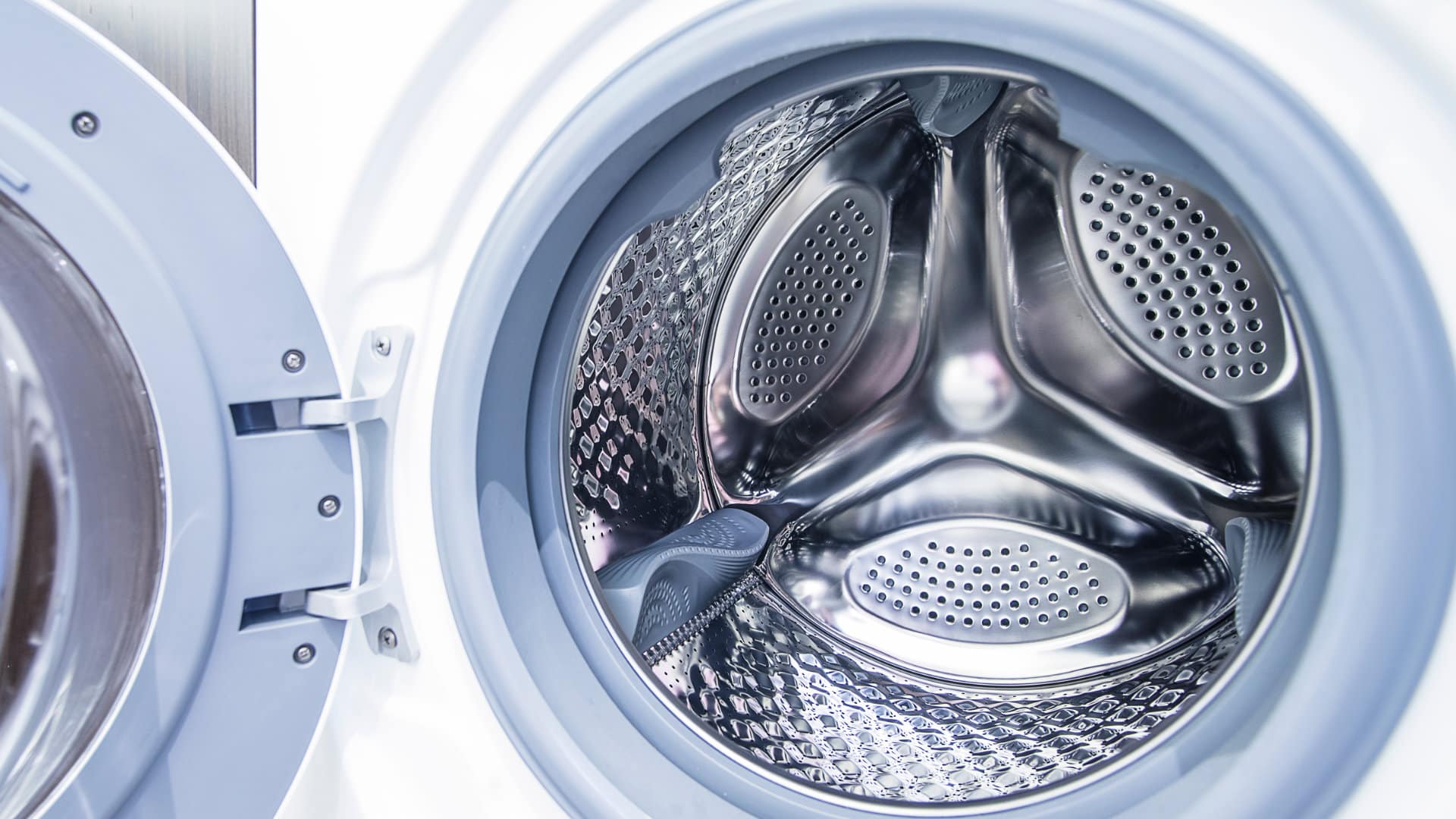
The drum is the main part of a washing machine. It holds your clothes while washing. The drum spins to mix water and detergent with the clothes. This action helps remove dirt and stains. For a deeper understanding of this mechanic, analyzing resources on washing machine drum basics provides excellent foundational context.
There are two main types of drum washing machines: front load and top load. Each uses different drum designs and technologies to clean clothes.
Choosing the right washing machine drum affects washing performance, energy use, and fabric care.
Front Load vs Top Load Washing Machine Drums
Front load washing machines have drums that lie horizontally. Clothes tumble inside the drum, which spins fast during the spin cycle. This design uses less water and energy. Front loaders are known for gentle fabric care and high washing efficiency.
Top load washing machines have vertically oriented drums. They often use an agitator or impeller to move clothes. Top loaders usually fill with more water and wash faster, but may be harsher on fabrics. Drum size and motor technology vary between types.
Industry consensus indicates that front loaders lead in energy efficiency and water savings, while top loaders may have shorter wash cycles.
For users interested in the practical operation, see the guide on how to use a washing machine top loader for tips on getting the most from your machine.
Common Washing Machine Drum Materials
Drums are made from three main materials: stainless steel, plastic, and porcelain-coated steel. Stainless steel drums are strong and resist rust. They also reduce noise and vibrations. These drums last longer and handle high spin speeds well.
Plastic drums are lighter and quiet but less durable. Porcelain-coated drums can chip over time, exposing steel to rust. The choice of drum material affects washing machine durability and noise level.
Manufacturers in 2026 often use stainless steel for premium models to improve fabric care and reduce vibrations.
Drum Size and Washing Capacity
The drum size directly affects how much laundry you can wash at once. Larger drums let you wash bulky items like blankets easily. Washing machine capacity is measured in kilograms or pounds of dry clothes.
Higher capacity saves water and energy since you wash more clothes in one load. However, very large drums may use more water per cycle if not designed efficiently. Many modern washers use automatic sensors to adjust water levels.
Below is a comparison of average drum sizes and their typical capacities.
| Drum Size (Liters) | Washing Capacity (kg) | Typical Use |
|---|---|---|
| 40 – 50 | 5 – 6 | Small households, daily laundry |
| 60 – 70 | 7 – 8 | Medium households, mixed laundry |
| 80 – 100+ | 9 – 12+ | Large families, bulky items |
Choosing the right drum size balances your laundry needs and energy use.
Washing Cycles and Fabric Care
Modern drum washing machines offer many wash programs. These cycles adjust drum rotation, spin speed, and water temperature. This helps to clean different fabric types safely.
Gentle cycles use slower drum rotation to protect delicate clothes. High spin speeds remove more water, shortening drying times. Smart washing machines in 2026 use automatic sensors to detect fabric type and soil level. They then adjust the drum action accordingly.
For instance, eco-friendly modes save water and energy by optimizing drum rotation. These features improve washing machine efficiency and fabric care.
Noise Levels and Vibration Control
Drum rotation can cause noise and vibrations. Front load machines tend to be quieter because of better noise insulation and balanced drums. Advanced motor technology reduces vibration in both front and top loaders.
In 2026, many washers include vibration reduction systems. These systems use sensors to detect unbalanced loads and adjust drum speed. This protects the machine and improves durability.
Lower noise levels make washing machines suitable for small homes and apartments.
Energy and Water Consumption
Energy-efficient washers use less electricity and water. Front load washers typically consume less water because they use tumbling action. Top loaders use more water to cover clothes in the drum.
New technologies in 2026 include automatic drum washing machines that adjust water use based on load size. This saves water without losing cleaning power. Energy Star-rated models meet strict energy use standards.
Choosing an eco-friendly washing machine reduces bills and helps the environment.
Maintaining Your Drum Washing Machine
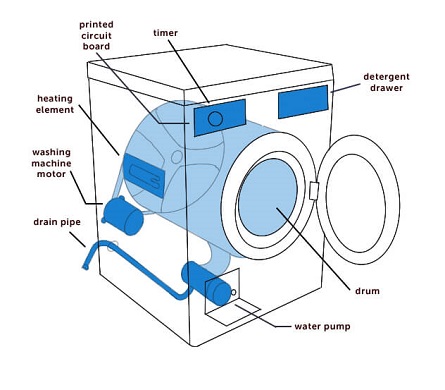
Proper maintenance keeps your washing machine working well longer. Clean the detergent dispenser regularly to prevent build-up. Check and clean the drum to avoid mold and bad odors.
Balance your machine to reduce vibrations. If your washer has maintenance alerts, follow them to fix issues early. For advice on cleaning specific parts, the guide on cleaning your washing machine’s detergent dispenser is very helpful.
Regular care improves washing machine durability and ensures good fabric care.

Installing a Drum Washing Machine
Correct installation affects performance and noise. Place your machine on a flat, stable surface. Check water and drain connections are secure. Leave space around the machine for airflow and easy access.
Follow the manufacturer’s guide to set up the drum and motor. Proper installation reduces vibrations and noise.
The steps below help you install a washing machine drum correctly.
- Choose a level floor near water and power supply.
- Connect water inlet hoses securely.
- Attach the drain hose to a proper drain point.
- Level the machine using adjustable feet.
- Run a test cycle without clothes to check for leaks or noise.
Washing Machine Technology in 2026
Washing machines now feature smart connectivity. You can control cycles with your phone. Automatic sensors adjust drum rotation speed, water amount, and detergent use for the best wash.
Some models include AI to learn your wash habits. They suggest the best programs for your fabrics. Energy-efficient motors and quieter drums improve user experience.
Smart washers even send maintenance alerts to your device, helping you keep the machine in top shape.
Conclusion
A drum washing machine is key to modern laundry. Understanding drum types, materials, and technology helps you pick the right washer. Front load and top load drums each have benefits in cleaning power, efficiency, and fabric care.
Advancements in 2026 focus on saving water and energy while protecting clothes. Smart features and good maintenance improve washing machine life. Choosing the right drum size and material will match your home’s needs.
For further details on the washing machine drum mechanism, the video on drum clean program offers excellent insights on drum care and operation.
Frequently Asked Questions
What is the main function of a washing machine drum?
The drum holds clothes during washing and rotates to clean fabrics by moving water and detergent through them.
How do front load and top load washing machine drums differ?
Front load drums rotate horizontally and spin faster, while top load drums rotate vertically and often use agitators.
What materials are commonly used for washing machine drums?
Drums are usually made of stainless steel, plastic, or porcelain-coated steel, each affecting durability and noise level.
How does drum size impact washing machine capacity?
Larger drums allow more laundry per load, improving efficiency and saving water and energy.
What are the benefits of smart washing machines with automatic drum sensors?
They adjust water use, spin speed, and cycle length based on load size and fabric type, enhancing care and saving resources.

Roger Jacobs is a seasoned appliance expert with over 15 years of experience in the washing machine industry. He specializes in product reviews, energy efficiency, and innovative washing technologies, providing users with trustworthy insights to make informed purchasing decisions.