How To Use Bleach To Clean Washing Machine
Stop the Stink. How To Use Bleach To Clean Washing Machine Like You Mean It.
Look, your washing machine? It’s a disgusting swamp. Yeah, I said it. Clothes go in dirty, they come out… well, sometimes less dirty. But the machine itself? It’s a breeding ground. Mold. Mildew. That funky smell that clings to your ‘clean’ towels? That’s on you. You’re not cleaning it right. Or maybe you’re not cleaning it at all. The thing is, most people just ignore it. ‘It washes clothes, right?’ Wrong. Dead wrong.
I remember my Aunt Carol. Bless her heart. Her whites always looked… dingy. Smelled faintly of wet dog. She’d been washing for 40 years. Never once deep-cleaned the machine. Said she ‘didn’t have time.’ Lies. She just didn’t want to deal with it. Sound familiar? Don’t be Aunt Carol. This is how you actually get it done. How to use bleach to clean washing machine properly.
Why Bleach? Because It Works. Simple.
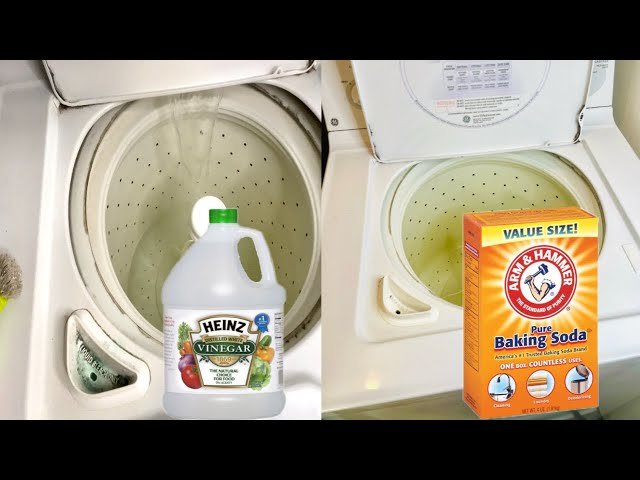
Vinegar? Baking soda? Sure, fine for a light wipe-down. But for a real kill job? For obliterating that slime? You need something with teeth. You need bleach. Chlorine bleach. It’s cheap. It’s effective. It kills 99.9% of common household bacteria and viruses. What’s not to like?
The thing is, you gotta use it right. Don’t just pour it in willy-nilly. There’s a method. A brutal, effective method. Forget those ‘gentle cycles’ that don’t do jack. We’re going in. We’re hitting it hard.

Front-Loader vs. Top-Loader: Different Beasts, Same Filth
Watch: How to Add Bleach to a Washing Machine for Laundry
Doesn’t matter if you’ve got one of those sleek front-loaders or a good old-fashioned top-loader. They both get gunked up. The seals on front-loaders? Prime real estate for mold. The drum on top-loaders? Collects lint and residue like a champ.
Front-Loader Protocol
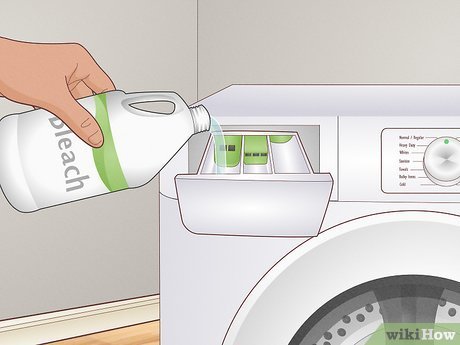
Here’s the drill. You gotta be aggressive. Pour about half a cup of liquid chlorine bleach directly into the detergent dispenser. Or, if you’re feeling frisky, straight into the drum. Then, run the machine on its hottest, longest cycle. Empty. No clothes. Just bleach and hot water. Let that sucker churn.
Once that’s done? Don’t stop. Run another cycle. This time, use just hot water. Pure. No additives. This is the rinse cycle. Gotta get all that bleach out. Don’t want your next load of whites smelling like a swimming pool.
Top-Loader Rumble
Watch: How to Clean a Washing Machine with Clorox
Same principle, slightly different execution. Fill the drum with hot water. Then, add about a cup of liquid chlorine bleach. Let it agitate for a minute. Then, stop the cycle. Let it soak. For an hour. Seriously. Let that bleach work its magic. Get into all the nooks and craies.
After the hour soak? Start the cycle again. Let it complete. Then? Another hot water rinse cycle. Just plain water. Again, gotta flush the bleach. My neighbor, bless his oblivious soul, skipped this step once. His gym socks came out looking… bleached. Not in a good way.
When to Bleach Your Machine? The Grim Schedule
How often do you need to do this? Honestly? It depends. How often do you do laundry? How dirty are the clothes going in? Are you washing towels that smell like a swamp creature?
:max_bytes(150000):strip_icc()/better-laundry-results-with-chlorine-bleach-2145786-v7-HL-FINAL-e11ceebba0164d7bb42dc7339233c0bc.jpg "How To Use Bleach To Clean Washing Machine 2")
A good rule of thumb? Once a month. If you do a ton of laundry, maybe every two weeks. If you notice that funk creeping back in? Don’t wait. Hit it again. That faint smell of mildew is your machine screaming for help. Mine started smelling like old gym socks after a particularly brutal winter of washing ski gear. That was my cue.
The Nitty-Gritty: What You Need
It ain’t rocket science. You need:
- Liquid Chlorine Bleach (the cheap stuff works fine)
- Your Washing Machine
- A Willingness to Get It Done
That’s it. No fancy gadgets. No expensive cleaners that promise miracles and deliver disappointment. Just bleach. And hot water. And a little bit of elbow grease, metaphorically speaking.
Watch: Clorox Presents Dr. Laundry: Bleach for Beginners
A Word on Rubber Seals and Gaskets: The Grimy Truth
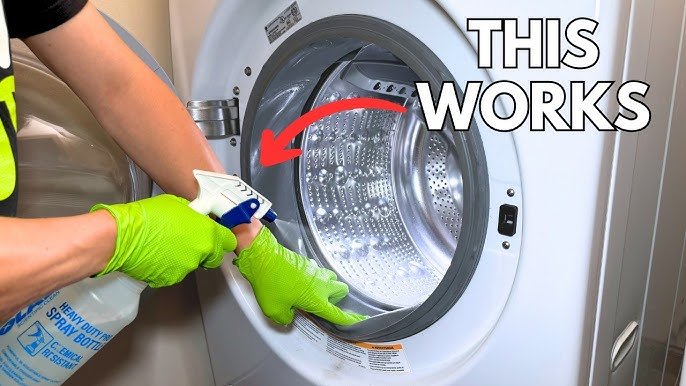
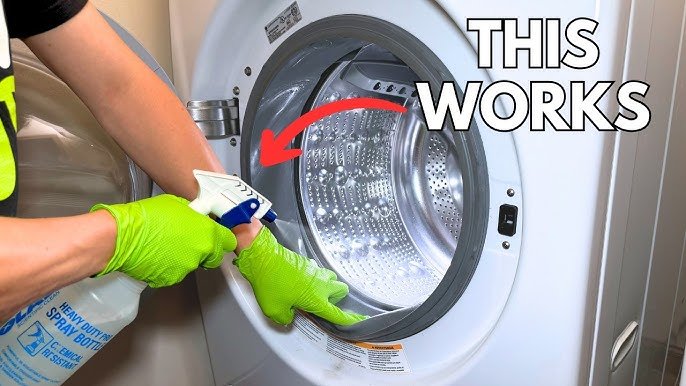
This is where front-loaders really get it bad. Those rubber seals around the door? Man, they’re a magnet for gunk. After the bleach cycle, wipe them down. Use a rag dipped in diluted bleach. Get in there. Pull back the seal. There’s probably black mold hiding. Gross. But you gotta do it.
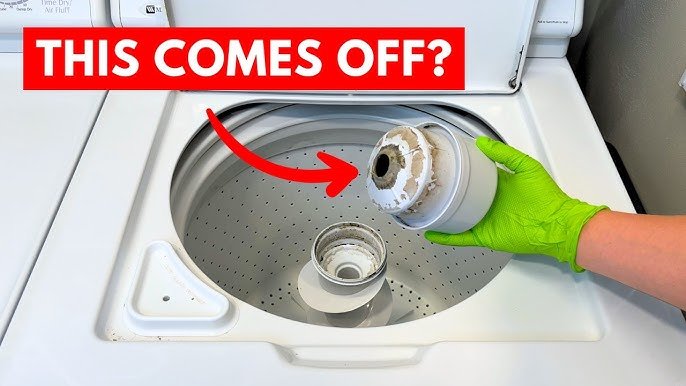
For top-loaders, check the agitator. If it comes off, take it off. Clean under it. You’ll be amazed what you find. Probably lint. Maybe a lost sock. Maybe something worse. Who knows. The point is, you gotta check.

Table: Bleach vs. Other Cleaners
| Cleaner | Pros | Cons | Effectiveness |
|---|---|---|---|
| Chlorine Bleach | Kills germs, deodorizes, cheap | Can damage some materials, strong fumes | High (for killing mold/bacteria) |
| Vinegar | Mild disinfectant, deodorizes, natural | Less effective on tough mold, smell can linger | Medium |
| Baking Soda | Mild abrasive, deodorizes, natural | Minimal disinfectant power | Low (for killing mold/bacteria) |
| Commercial Cleaners | Often specialized, convenient | Expensive, may contain harsh chemicals, efficacy varies | Variable |
Don’t Be Stupid. Safety First.
Bleach ain’t no joke. Read the label. Never mix bleach with ammonia. You’ll create toxic fumes. Deadly. Don’t do it. Run the machine in a well-ventilated area. Open a window. Crack a door. The fumes can be rough.
Wear gloves. Seriously. Don’t let that stuff eat away at your skin. And keep it away from kids and pets. This isn’t playtime. This is cleaning. Serious business.
Conclusion? Just Do It.
Look, cleaning your washing machine isn’t optional. It’s maintenance. Like changing the oil in your car. You wouldn’t let your engine seize up, right? So don’t let your washing machine turn into a biohazard. Grab the bleach. Follow the steps. You’ll thank me later when your clothes actually smell clean.
Frequently Asked Questions
What’s the best way to sanitize a washing machine?
For true sanitization, chlorine bleach is your best bet. Run a hot, long cycle with about half a cup to a cup of bleach (depending on machine type) to kill the vast majority of bacteria and mold. Follow with a plain hot water rinse cycle to remove all bleach residue.
Is it better to clean your washing machine with vinegar or bleach?
For sanitizing and killing stubborn mold and mildew, bleach is significantly better than vinegar. Vinegar has some mild disinfectant properties and can help with odors, but it doesn’t kill germs as effectively as chlorine bleach. Bleach is the go-to for a deep clean and sanitization.
How often should I deep clean my washing machine?
Aim for once a month for regular use. If you do a lot of laundry, or wash particularly dirty items like gym clothes or work uniforms, consider doing it every two weeks. If you start noticing any musty smells, it’s time for a deep clean, regardless of schedule.
Can I use bleach in my HE (High-Efficiency) washing machine?
Yes, you can use bleach in an HE machine, but use it sparingly. Typically, 1/4 to 1/2 cup of liquid chlorine bleach is sufficient. Always add it to the designated bleach dispenser or directly into the drum at the start of the cycle, never pour it onto clothes directly. Run on the hottest setting available.
What if my washing machine still smells after cleaning with bleach?
If the smell persists after a thorough bleach cleaning and rinse cycle, the problem might be deeper within the machine’s hoses or pump, or there could be significant mold buildup. You might need to repeat the bleach cleaning process, perhaps with a longer soak time, or consider a specialized washing machine cleaner. In severe cases, professional servicing might be required.